How RWA Tokenization Works: Transforming Tangible Assets into Digital Tokens

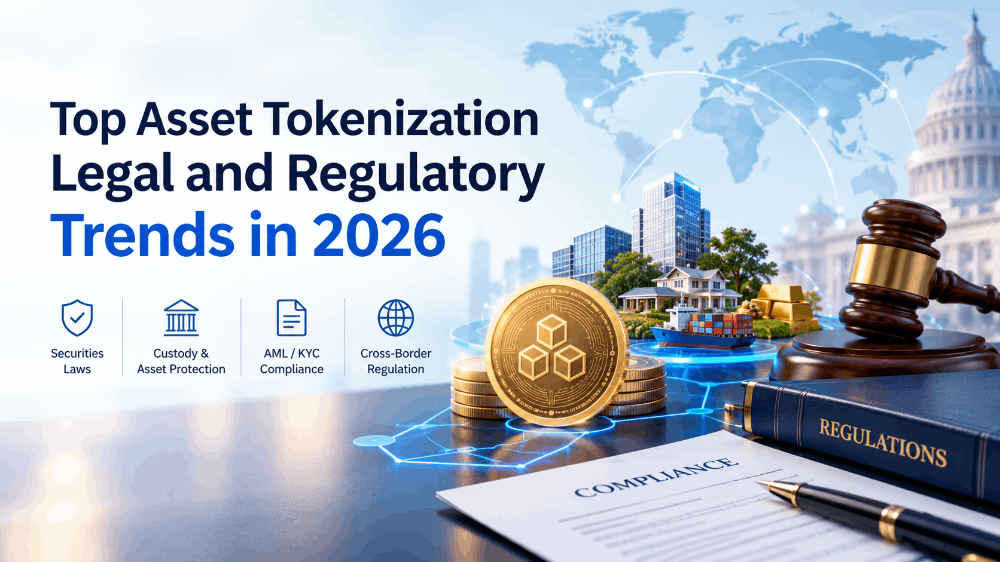
The evolution of blockchain technology has introduced new ways for enterprises, investors, and industries to interact with tangible assets. One of the most transformative applications is RWA (Real-World Asset) tokenization, a process that converts physical assets into blockchain-based digital tokens. This innovation is bridging the gap between traditional finance and decentralized digital markets, offering improved liquidity, transparency, and accessibility for assets that were previously illiquid or difficult to manage.
Understanding how RWA tokenization works is critical for businesses and investors seeking to capitalize on this emerging market. It involves a combination of legal frameworks, blockchain technology, smart contracts, and digital finance principles to represent ownership, revenue rights, or usage of tangible assets in a secure, verifiable, and tradable digital form.
Understanding Real-World Asset Tokenization
RWA tokenization is the process of creating a digital representation of a physical asset on a blockchain, allowing it to be bought, sold, or traded like a digital asset while retaining a legal claim to the underlying tangible property. Unlike cryptocurrencies or NFTs that exist purely digitally, RWAs are backed by physical assets such as real estate, commodities, machinery, invoices, or intellectual property.
Each RWA token can represent full or fractional ownership of an asset, entitling token holders to revenue, profit sharing, or usage rights. Smart contracts self-executing programs on a blockchain automate functions such as dividend distribution, voting rights, or transfer of ownership, reducing reliance on intermediaries and increasing operational efficiency.
The core value proposition of RWA tokenization lies in its ability to unlock liquidity, enhance transparency, and democratize access to assets that were traditionally illiquid, expensive, or restricted to institutional investors.
Step-by-Step Process of RWA Tokenization
1. Asset Identification and Legal Structuring
The first step in RWA tokenization is identifying which tangible asset can be tokenized. Common categories include:
- Real estate properties (residential, commercial, industrial)
- Industrial equipment and machinery
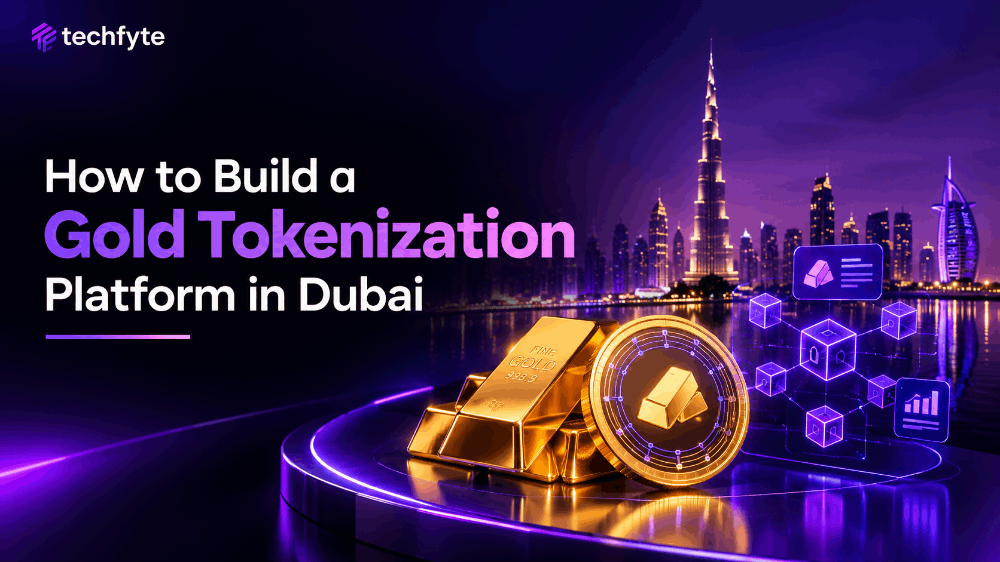
- Commodities such as gold, oil, or agricultural products
- Intellectual property (patents, licenses, trademarks)
- Accounts receivable, invoices, or financial instruments
Once the asset is selected, a legal framework is established to ensure that token holders have enforceable claims on the underlying asset. This may involve creating a special purpose vehicle (SPV), trust, or legal entity that holds the asset and issues digital tokens representing ownership or revenue rights. Regulatory compliance is critical, as RWA tokens may be classified as securities in certain jurisdictions.
2. Valuation and Fractionalization
Accurate valuation of the underlying asset is essential. Financial experts and appraisers determine the asset’s current market value, potential revenue streams, and risk factors. This valuation informs the token issuance price, ensuring fair representation of ownership or profit-sharing potential.
Fractionalization is a key feature of RWA tokenization. Instead of requiring a single investor to purchase the entire asset, the asset is divided into multiple tokens, each representing a proportional stake. Fractional ownership lowers investment barriers, allows diversified portfolios, and creates liquidity in markets that were traditionally illiquid.
For example, a $10 million commercial property could be divided into 10,000 tokens, each representing a $1,000 stake. Investors can trade these tokens individually, gaining access to high-value assets without significant capital commitment.
3. Smart Contract Development
Smart contracts are the backbone of RWA tokenization. These self-executing blockchain programs define the rights, obligations, and operational rules associated with the tokenized asset. Common functions include:
- Automated dividend or rental income distribution
- Voting rights or governance participation for token holders
- Compliance with regulatory requirements, including KYC/AML verification
- Ownership transfer and secondary market trading
Smart contracts ensure transparency, reduce administrative overhead, and minimize the need for intermediaries. They also provide security and enforceability, as code-based rules are immutable once deployed on the blockchain.
4. Token Issuance and Blockchain Integration
Once the smart contract is developed and tested, digital tokens representing the asset are minted on a blockchain. Ethereum, Polygon, Solana, and other programmable blockchains are commonly used due to their support for token standards such as ERC-20 (fungible tokens) or ERC-721/1155 (non-fungible or semi-fungible tokens).
The blockchain serves as a distributed ledger that records ownership, transactions, and any changes to token allocation. Investors can view transaction history, verify ownership, and participate in governance or revenue-sharing activities securely.
5. Investor Participation and Secondary Market Trading
After issuance, tokens are offered to investors via a regulated platform, private sale, or public marketplace. Fractionalization enables broad investor participation, ranging from retail investors to institutional funds.
Secondary market trading allows tokens to be bought or sold without transferring the underlying physical asset, creating liquidity and flexibility for investors. Blockchain’s immutability ensures that ownership transfers are transparent and tamper-proof.
6. Asset Management and Reporting
RWA tokenization is not limited to initial investment. Enterprises can digitally manage assets through smart contracts, integrating IoT devices, ERP systems, or data analytics. For example:
- Real estate tokens can track rental income, occupancy rates, and maintenance schedules
- Machinery tokens can monitor operational hours, usage, and maintenance requirements
- Commodity tokens can log storage conditions, quality metrics, and shipment records
Automated reporting enhances transparency, simplifies audits, and ensures regulatory compliance, creating a more efficient and accountable asset management framework.
Benefits of RWA Tokenization
Unlocking Liquidity
Traditionally, tangible assets are illiquid, requiring complex transactions to buy or sell. Tokenization fractionalizes ownership, allowing assets to be traded on digital marketplaces. This unlocks capital previously tied up in illiquid assets.
Democratizing Access
RWA tokenization lowers barriers to entry, enabling smaller investors to participate in high-value assets. Fractional tokens allow investors to diversify their portfolios without committing large amounts of capital.
Transparency and Trust
Blockchain provides immutable and auditable records of ownership and transactions. Smart contracts automate operations, ensuring compliance, accuracy, and trust among stakeholders.
Efficiency and Cost Reduction
Tokenization reduces the need for intermediaries such as brokers, custodians, and auditors. Automated transactions and smart contracts lower operational costs and accelerate settlement times.
Enhanced Global Investment Opportunities
Tokenized assets can be accessed by investors worldwide, creating a global marketplace. Enterprises can raise capital from diverse investor pools, while investors gain exposure to international real-world assets.
Applications Across Industries
Real Estate
Real estate tokenization allows investors to participate in residential, commercial, and industrial properties without purchasing entire units. Token holders can receive rental income or profits from property appreciation through automated smart contracts.
Commodities
Gold, oil, and agricultural products can be tokenized to enable fractional ownership, traceability, and efficient supply chain management. Investors gain exposure without physically handling the commodities.
Industrial Equipment
Manufacturers can tokenize machinery or production lines to monetize idle assets, enable leasing, or attract fractional investors. IoT integration ensures real-time monitoring and maintenance tracking.
Financial Instruments
Invoices, receivables, and loans can be tokenized to provide liquidity and facilitate trade among investors. Tokenization automates payment tracking, compliance, and ownership transfers.
Intellectual Property
Patents, software licenses, and other IP can be tokenized to allow revenue-sharing among fractional owners. Smart contracts automate royalties, licensing fees, and governance.
Challenges and Considerations
While RWA tokenization presents significant opportunities, it also involves challenges:
- Regulatory Compliance: Tokenized assets may be classified as securities in some jurisdictions, requiring strict adherence to local regulations.
- Accurate Valuation: Fair token pricing depends on precise asset valuation, necessitating expert appraisal.
- Technological Integration: Blockchain, IoT, and ERP systems must be integrated securely and efficiently.
- Market Adoption: Stakeholders, investors, and enterprises must understand tokenization to fully leverage its benefits.
- Cybersecurity: Blockchain platforms and smart contracts require robust security measures to prevent hacks or fraud.
The Future of RWA Tokenization
The future of RWA tokenization is poised to redefine asset management and investment:
- Integration with DeFi platforms allows tokenized assets to be used as collateral for lending or borrowing.
- AI-driven predictive analytics can optimize asset utilization, maintenance, and valuation.
- ESG metrics can be embedded into tokenized assets, linking investment returns to sustainable practices.
- Cross-border tokenization simplifies international investment, regulatory compliance, and market access.
As adoption grows, tokenized real-world assets will become a mainstream method for managing, investing in, and trading tangible assets efficiently and transparently.
Conclusion
RWA tokenization transforms tangible assets into digital tokens, bridging the gap between traditional finance and blockchain technology. Through fractional ownership, smart contracts, and blockchain immutability, tokenization unlocks liquidity, democratizes investment access, enhances transparency, and reduces operational costs.
From real estate and industrial equipment to commodities, financial instruments, and intellectual property, tokenized assets provide enterprises and investors with flexible, secure, and efficient means of managing real-world value. As regulatory frameworks, technology, and market adoption evolve, RWA tokenization is set to become a cornerstone of the digital economy, transforming how tangible assets are owned, managed, and traded in the 21st century.