Why Web3 Is Not Just Hype — It's the Future of the Internet

Every decade or so, a technology comes along that fundamentally rewires how we live, work, and interact. In the 1990s, it was the World Wide Web. In the 2000s, it was social media. Today, Web3 is stepping up to claim its spot in that lineage, and despite the noise, the crashes, and the skeptics, the underlying idea is more powerful than ever.
So, What Exactly Is Web3?
Web3 is the next evolution of the internet, built on blockchain technology. Unlike Web2 where your data, identity, and content are owned by corporations like Google, Meta, or Twitter, Web3 puts ownership back in your hands. Think of it as the internet with a built-in economy and a built-in identity system, where no single company controls the rules.
Three Things Web3 Actually Changes
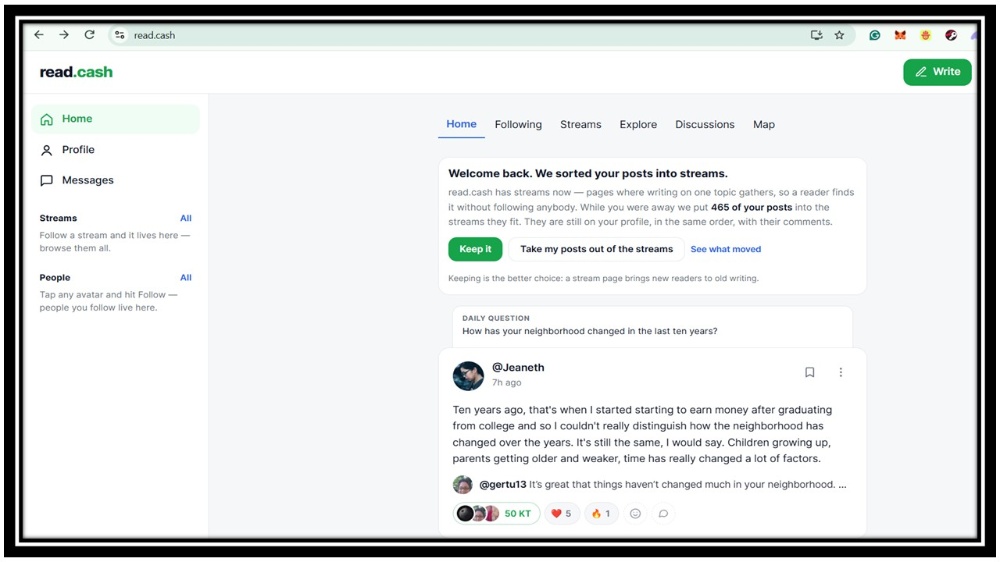
First, it changes ownership. In Web3, when you own a digital asset whether it's a token, an NFT, or a piece of virtual land, you truly own it. No company can freeze your account or delete it. Second, it changes trust. Smart contracts execute automatically when conditions are met, removing the need for middlemen like banks or lawyers for basic agreements. Third, it changes incentives. Platforms like BULB already prove this: you write, you earn. Your contribution has real, measurable value, not just likes.
"But Isn't Crypto Just Speculation?"
Yes, and no. The price of Bitcoin going up and down is speculation. But the blockchain technology underneath it is as real as TCP/IP, the protocol that powers the internet. Most people don't understand TCP/IP either, and they don't need to. What matters is what gets built on top of it. DeFi, DAOs, decentralized storage, tokenized real world assets, these aren't science fiction. They're live, they're growing, and they're already being used by millions.
The Bottom Line
Web3 is messy, early, and imperfect, just like the early internet was. But dismissing it because of volatile token prices is like dismissing email in 1995 because it took too long to load. The infrastructure is being built right now, and the window to understand it and participate in it is open. The question isn't whether Web3 will matter. It's whether you'll be ready when it does.