Minimalism for the Soul: Releasing Physical Weight for Inner Freedom
I used to keep things just in case.
Clothes I hadn't worn in years. Books I'd never read but felt guilty giving away. Gifts from people I no longer spoke to. Kitchen gadgets with one specific purpose that somehow never came up.
My home was full. And so was I—full of stuff, yes, but also full of something heavier. A quiet hum of responsibility toward all these objects. They asked nothing of me, yet I felt their presence. Like guests who'd overstayed but I couldn't ask to leave.
One Saturday, I opened a closet and just stood there. Looking at things I'd moved from apartment to apartment for nearly a decade. Boxes I hadn't opened in five years. And I thought: What am I saving all this for?
That question changed something.
The Weight We Don't See
We talk about decluttering like it's about shelves and drawers. But anyone who's actually done it knows—it's never just about the stuff.
Every object carries something invisible. Memory, yes. But also guilt. Obligation. Fear. Hope that somehow this thing will matter later, even if it doesn't now.
I had books from college that made me feel smart just sitting on my shelf. I didn't open them. But they were there, reminding me of who I used to be, who I thought I'd become. Letting them go felt like admitting I'd changed. Like betraying that younger self.
I had gifts from people I'd lost touch with. Getting rid of them felt like closing the door on those relationships completely. As if the object was the only thing still connecting us.
I had clothes in smaller sizes. Just in case. As if my body was a problem to solve later, and these clothes were the solution waiting patiently in the back of my closet.
The stuff wasn't just stuff. It was stories. And most of the stories weren't even mine anymore—they were just habits, left over from someone I used to be.
What Happens When You Start Letting Go
The first things were easy. Broken things. Expired things. Things I'd forgotten I owned.
Then came the harder layer. The gifts. The books. The clothes with tags still on, bought in moments of hope that turned out to be someone else's vision of who I should be.
I made piles. Donate. Trash. Unsure.
The unsure pile sat in my hallway for three weeks. Every time I walked past, I felt it watching me. Judging. You're not ready, it seemed to say. You're not sure enough. You might need us.
Finally, on a Sunday afternoon, I sat with that pile. I picked up each thing and asked a different question—not Will I need this? but Does this belong to the life I'm actually living now?
Most of them didn't.
The books were from courses I'd never finish. The gifts were from people I'd already said goodbye to in my heart. The clothes were from a version of me that dressed for an audience that wasn't watching.
I filled the bags. Drove them to the donation center. Watched them disappear through the sliding doors.
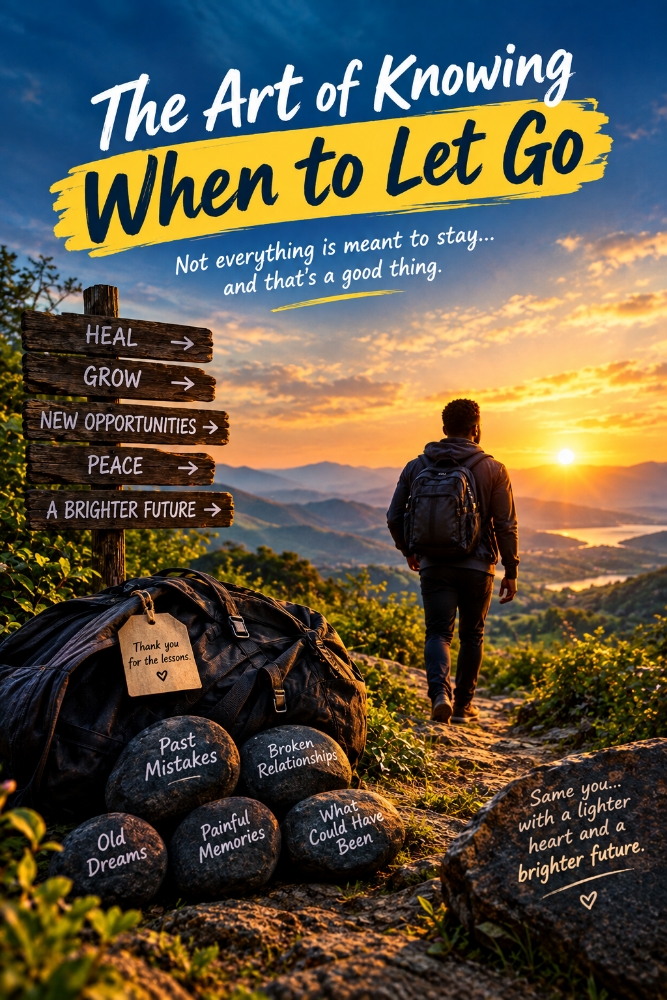
Driving home, I felt something I hadn't expected: lighter. Not just in the car, but in my chest. Like something had been unhooked.
The Space That Opens
Here's what no one tells you about letting go of physical things: The space that opens isn't in your closet. It's in you.
For weeks after, I kept opening that closet just to look at the empty space. It felt like a room I'd forgotten existed. Light fell differently. Air moved differently. I stood there breathing, and it felt like my lungs had more room.
The empty space didn't need anything from me. It didn't ask to be organized or filled or maintained. It just was—open, quiet, available.
And somehow, that availability spread.
I started noticing other places where I was holding on. Not just things—but opinions, grudges, plans I'd made that no longer fit, identities I'd outgrown. Letting go of physical stuff had loosened something. Now other things could move too.
Physical minimalism became a gateway. A practice ground for a different kind of release.
What We're Really Holding
We think we hold onto things because we need them. But mostly, we hold onto things because we're afraid of the space they'd leave behind.
Empty space is confronting. It asks questions: What are you going to put here now? What if you never find anything as good? What if this emptiness just stays empty?
But emptiness isn't empty. It's potential. It's room for whatever actually belongs. It's the pause between notes that makes the music.
The soul, I've learned, is like a room. Fill it with too much furniture—too many shoulds, too many stories about who you are, too many objects from the past—and there's no space to move. No space to breathe. No space for anything new to enter.
Minimalism for the soul isn't about having less. It's about making room. Room for what's actually alive. Room for what's true now, not just what was true then.
How to Begin
If this resonates, start small. Not with the whole house. Not with the hard stuff.
Start with one drawer. One shelf. One corner of one room.
As you handle each thing, don't ask the usual questions: Will I need this? Is this valuable?
Ask different questions:
· Does this belong to the person I am today?
· If I saw this in a store right now, would I buy it?
· Am I keeping this out of love, or out of fear?
· What would it feel like to let this go?
Notice what comes up. The resistance. The stories. The little voice that says but what if. Just notice. Don't fight it. Keep going anyway.
Each thing you release creates a tiny opening. And through that opening, something else can enter. Something lighter.
What Comes In
People ask: After you let go, what fills the space?
The honest answer: I don't always know. Sometimes nothing fills it, and that's fine. Sometimes peace fills it. Sometimes clarity. Sometimes just the quiet hum of not being responsible for so much anymore.
But often, what comes in is simply now. The present moment, with more room to land.
I notice sunsets more now. I notice when someone I love is actually here, in front of me, and I'm not distracted by the hum of stuff waiting to be managed.
I notice that I need less than I thought. That wanting things has quieted. That the constant low-grade anxiety of maintaining—shelves, closets, identities—has mostly faded.
What's left is just life. Uncluttered. Unhurried. Mine.
The Practice Continues
I still accumulate. I still buy things I don't need. I still have moments where I open a closet and feel that old familiar weight.
But now I know what to do. Not because I'm disciplined, but because I've tasted what's on the other side. The lightness. The space. The freedom of not being owned by my own things.
So I go through again. Another bag. Another donation center run. Another small release.
Each time, something inside me says: Yes. This. Less of what doesn't matter, more of what does.
Minimalism for the soul isn't a destination. It's a returning. Again and again, to the question: What can I release today, so I can be more fully here.
What's one thing you could let go of—not just from your home, but from your sense of who you are—that might create a little more space to breathe?