The Rise of Fractional Real Estate Ownership Through Blockchain
Real estate has traditionally been viewed as one of the most reliable asset classes for long-term wealth creation. However, despite its stability, property investment has remained inaccessible to many individuals due to high capital requirements, limited liquidity, and lengthy transaction processes. For decades, investors have had to commit substantial funds to acquire even a small stake in a property, making diversification difficult and excluding retail participants from premium real estate opportunities.
Blockchain technology is reshaping this landscape by introducing fractional ownership models that allow investors to purchase digital shares representing a portion of a real-world property. Instead of purchasing an entire apartment building or commercial office, investors can own a fraction of the asset while benefiting from proportional rental income and capital appreciation. This shift is making property investment more inclusive, transparent, and efficient while creating new opportunities for developers, investment firms, and financial institutions.
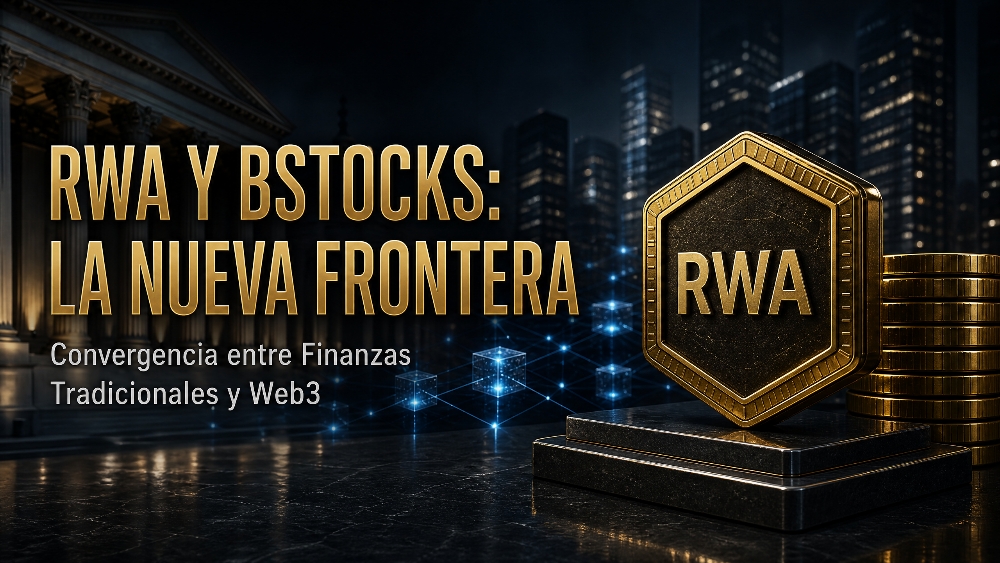
As asset tokenization continues to mature, fractional real estate ownership is becoming one of the strongest use cases for blockchain in the real-world asset (RWA) ecosystem.
Why Traditional Real Estate Investment Has Barriers
Conventional real estate transactions involve multiple intermediaries, extensive paperwork, legal verification, banking procedures, and settlement timelines that can stretch across several weeks or even months. These complexities increase costs while reducing market accessibility.
Some of the biggest limitations include:
- High minimum investment requirements that prevent smaller investors from entering the market.
- Limited liquidity since properties cannot be sold instantly without finding buyers.
- Geographic restrictions that make international property investment challenging.
- Administrative costs involving brokers, legal professionals, and financial institutions.
- Difficulty diversifying portfolios because significant capital is tied to individual assets.
These barriers have historically favored institutional investors and high-net-worth individuals while leaving retail investors with limited opportunities. Blockchain addresses many of these inefficiencies by digitizing ownership and simplifying investment processes.
How Blockchain Enables Fractional Property Ownership
Blockchain introduces a digital infrastructure where ownership rights can be represented through cryptographically secured tokens. Each token corresponds to a defined percentage of an underlying real estate asset, allowing ownership to be divided into thousands of smaller investment units.
Every transaction is recorded on an immutable distributed ledger, providing transparency and reducing the risk of ownership disputes. Smart contracts further automate operational processes such as investor onboarding, compliance verification, dividend distribution, and ownership transfers without relying on manual intervention.
This programmable framework significantly reduces settlement times while improving operational efficiency across the investment lifecycle. Instead of navigating fragmented documentation and multiple intermediaries, investors interact with secure digital platforms that streamline transactions.
Businesses seeking to build compliant tokenized investment platforms increasingly rely on Real estate tokenization development services to create secure ecosystems that integrate digital asset issuance, investor management, regulatory workflows, smart contracts, and blockchain infrastructure into a unified solution.
Benefits Driving the Growth of Fractional Ownership
The increasing adoption of blockchain-based real estate investment is driven by both investor demand and operational efficiency. Tokenization creates value for property owners, developers, investment platforms, and individual investors alike.
Some of the most significant advantages include:
- Lower investment thresholds that enable broader market participation.
- Improved liquidity through secondary trading opportunities for tokenized assets.
- Transparent ownership records maintained on immutable blockchain networks.
- Automated income distribution using smart contracts.
- Faster settlement compared to conventional property transactions.
- Increased portfolio diversification across multiple property classes.
- Reduced dependence on manual administrative processes.
These advantages collectively improve capital efficiency while expanding access to premium real estate markets that were previously available only to institutional investors.
Regulatory Evolution and Market Adoption
The success of blockchain-powered real estate investment depends not only on technology but also on regulatory alignment. Governments across several jurisdictions are gradually developing frameworks that recognize tokenized securities and digital ownership structures while enforcing investor protection standards.
Compliance mechanisms such as Know Your Customer (KYC), Anti-Money Laundering (AML), identity verification, investor accreditation, and securities regulations have become integral components of modern tokenization platforms. Rather than viewing compliance as an obstacle, leading platforms integrate these processes directly into their digital infrastructure through automated workflows.
Institutional participation is also accelerating market confidence. Asset managers, real estate funds, developers, and financial institutions are actively exploring tokenized investment models to improve fundraising efficiency and expand their global investor base. As regulatory clarity improves, tokenized real estate is expected to become an increasingly accepted investment vehicle within mainstream financial markets.
The convergence of blockchain infrastructure, regulatory oversight, and institutional participation is creating a foundation for sustainable long-term growth rather than short-term experimentation.
The Future of Real Estate Investment in a Tokenized Economy
Fractional ownership represents more than a technological innovation—it signals a structural transformation in how real estate assets are owned, financed, and traded. Future platforms are expected to integrate artificial intelligence for property analytics, decentralized finance (DeFi) for lending against tokenized assets, and cross-chain interoperability to enhance accessibility across blockchain ecosystems.
Investors may soon manage diversified portfolios containing residential, commercial, hospitality, industrial, and mixed-use properties through a single digital interface. Automated compliance, programmable ownership rights, and real-time settlement could become industry standards instead of competitive advantages.
As blockchain infrastructure continues to mature, the distinction between traditional financial markets and digital asset ecosystems will gradually diminish. Real estate, one of the world's largest asset classes, is well positioned to benefit from this evolution by becoming more liquid, transparent, and globally accessible.
In this rapidly evolving landscape, selecting the right technology partner is essential for building secure and compliant tokenization platforms. Shamla Tech has established itself as a leading RWA, Web3, and AI development company by delivering enterprise-grade blockchain solutions tailored to modern digital asset ecosystems. From real estate tokenization platforms and smart contract development to AI-powered automation and decentralized applications, the company helps businesses transform traditional assets into scalable digital investment opportunities while maintaining security, regulatory readiness, and long-term business value.