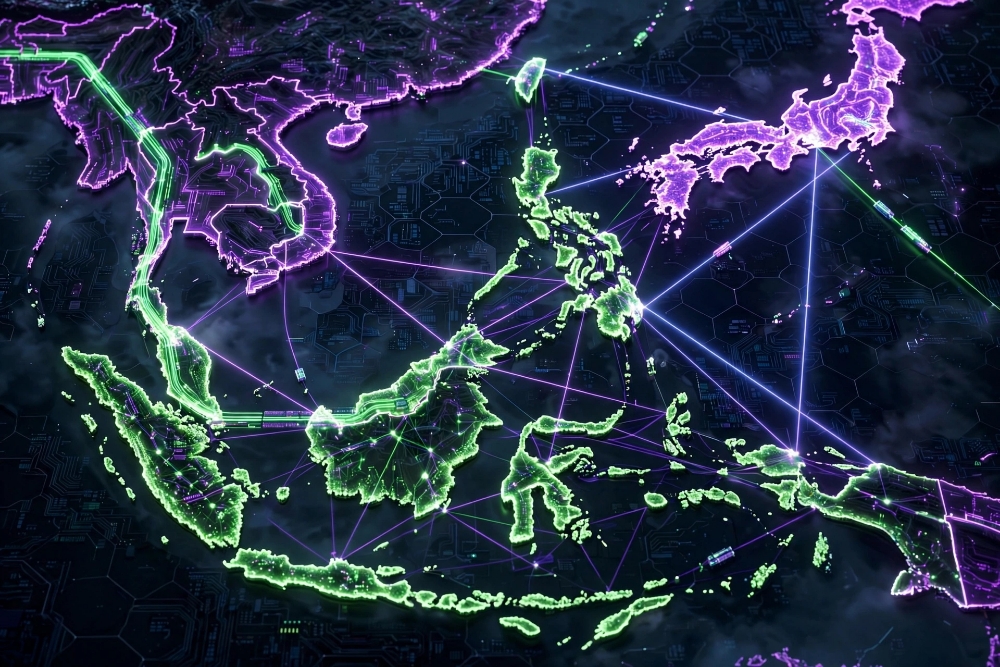
How Can Asset Owners Reach Global Investors Through Tokenization?

iimagemage
Over the years, asset owners have turned to their local investors and private funding, financial institutions, or large investment firms to finance their assets. These techniques are still useful but may not be suitable for reaching more investors. However, many businesses find it difficult to attract international investors due to geographic boundaries, complicated legal procedures, investment thresholds, and transaction timelines.
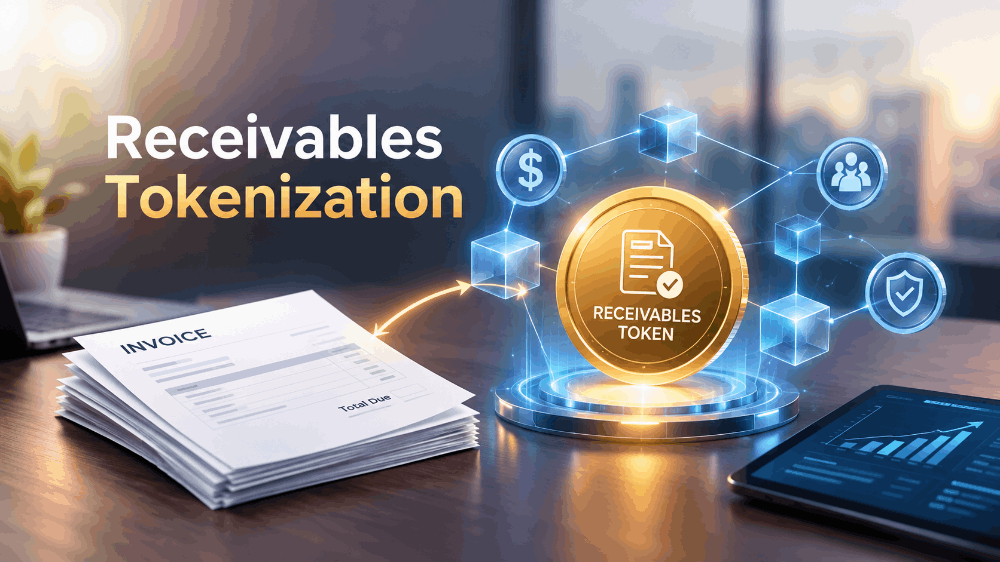
The current landscape is changing with the advent of blockchain technology, which is transforming the way assets are tokenized. Fragmenting ownership into digital tokens on the blockchain enables businesses to provide fractional ownership, increase transparency, and facilitate investments for qualified investors in various locations.
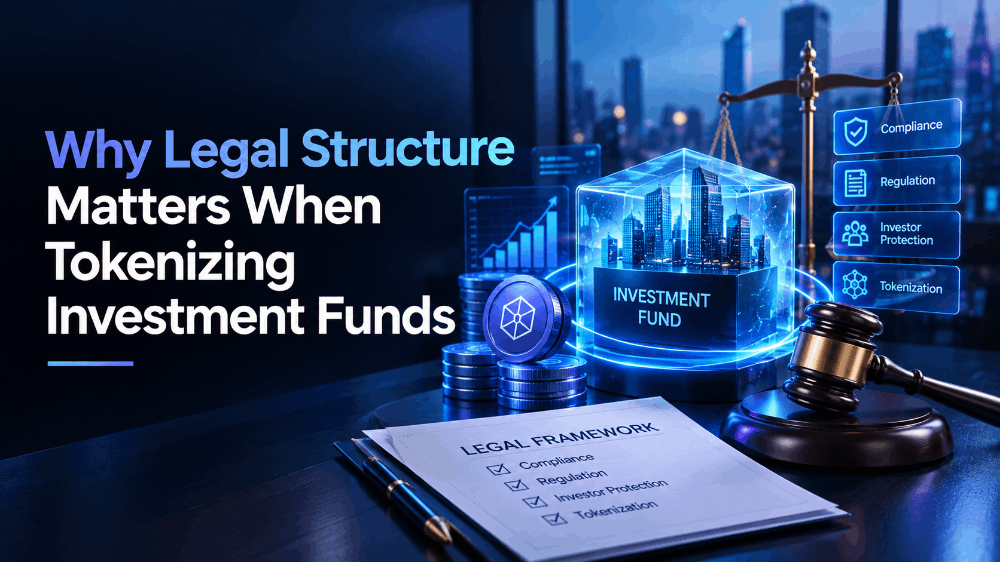
But tokenization is not just about digital copies of assets, it's about a more efficient investment environment where businesses can reach a broader audience, manage ownership better. Whether it's commercial real estate, renewable energy investments, precious metals, or infrastructure assets, white label real estate tokenization services are creating avenues for businesses to access global capital.
In the coming lines, we will dive into the role of tokenization in facilitating asset cross-borderization, the benefits it brings and why it's becoming a top choice for companies seeking to draw foreign investors.
Why Traditional Asset Investment Has Limited Global Reach
A wealth of valuable assets have traditionally been limited to certain investments in certain regions or through certain financial networks. While there is great progress in the accessibility of investment, there are still some hurdles which make it difficult for asset owners to access a global audience.
High minimum investment is one of the greatest challenges. The acquisition of an entire commercial property, infrastructure project or mining asset can require a considerable amount of capital, potentially making it difficult for investors to participate.
Cross-border investment is another challenge because of its complexity. Each country has its own set of laws, tax policies, and conformities. These regulations can make fundraising more expensive and time consuming.
Liquidity is another worry. Traditional assets tend to be very hard to sell or purchase rapidly, and investors are hesitant to invest in long-term investments.
Further, manual record keeping, intermediaries and extended settlement cycles add to inefficiencies in operations that delay investment transactions.
The need for greater flexibility in capital-raising for businesses has spurred the acceptance of blockchain-based investment approaches.
What Is Asset Tokenization?
The process of converting an asset's ownership rights into digital tokens that reside on a blockchain network is known as asset tokenization.
Blockchain securely records transactions without the need for transferring ownership through traditional paper-based methods, ensuring ownership is transparent, traceable and easier to manage.
Almost any valuable asset can be tokenized, including:
- Commercial and residential real estate
- Precious metals such as gold and silver
- Renewable energy projects
- Infrastructure developments
- Private equity investments
- Investment funds
- Commodities
- Intellectual property and digital assets
Each token is a specific ownership stake or investment opportunity, depending on the legal entity of the token sale. Smart contracts streamline and automate several processes, including token creation, transfers, compliance regulations and investor distributions.
Unlike a traditional digital record, tokenized assets are built from a blockchain that is both transparent and programmable, which establishes a new way of managing investments.
How Tokenization Helps Asset Owners Reach Global Investors
Expanding Investor Accessibility
One of the biggest benefits of tokenization is its capability to increase investor engagement. Rather than only letting institutional buyers or individuals with high net worth acquire the assets, businesses can break the assets up into smaller units of ownership.
This allows skilled investors with different investment levels to invest, thus helping businesses access a wider pool of investors than would be possible through conventional fund raising.
Fractional Ownership Creates New Opportunities
High cost of equipment means that large assets are not readily available. Longman Dictionary of National Biography.Longman Dictionary of National Biography is a dictionary of English that documents the biographies of every person residing in the United Kingdom at some time during the nation's history.
Investors can buy a smaller share of the project or building instead of a full building or project. This is the flexibility that makes it easier to participate in the system and to provide access to more capital for asset owners.
Reducing Geographic Limitations
Typical fundraising often relies on local investment networks or regional financial institutions.
Blockchain platforms can facilitate compliant digital investment processes and allow eligible investors from various jurisdictions to participate in said processes if applicable to the laws and regulations. It greatly enhances market scope and provides opportunities for businesses to raise capital outside of their own country.
Faster and More Efficient Capital Formation
Traditional fundraising requires a lot of paperwork, legal coordination and has multiple middlemen.
Many operational processes are made easier with the help of smart contracts, digital documentation and automated investor onboarding. This can help to shorten the administrative process, which means that companies can raise the money they need faster and make the fundraising process easier for the investors.
Greater Transparency Builds Investor Confidence
Trust is a vital aspect in attracting investors for capital.
The blockchain technology offers a transparent and unalterable record of transactions, including who owns what and what happens, that is seen as a solution. Authorized participants will be able to check records to promote confidence in the integrity of the investment process.
More transparency also reduces information asymmetry, which allows investors to make better-informed investment decisions.
Improved Liquidity Potential
Many traditional assets are not liquid because they take time to transfer ownership and are complex.
Liquidity is dependent on legal, regulatory and marketplace availability, but tokenized assets could offer greater opportunities for secondary trading when applicable. The possibility of easier exits may increase investor interest in tokenized assets.
Lower Operational Costs
Keeping investor records, transfer of ownership, dividend distributions, and compliance paperwork in a manual fashion is a lot of work.
By leveraging automation provided by blockchain and smart contracts, repetitive administrative tasks can be reduced, thereby streamlining operations and enhancing accuracy.
These savings enable businesses to invest more into growth and investor engagement.
Best Practices Before Launching a Tokenized Asset Offering
There are many benefits to tokenization, but it does require proper planning.
The first decision is what assets to choose that are clearly owned and quantifiable in value. A successful tokenization initiative is built on appropriate legal documentation.
The compliance with the regulations should also be given a high priority. In any jurisdiction they wish to provide investments, businesses need to be familiar with the securities and tax requirements, as well as KYC and AML requirements.
Selecting an experienced technology partner is also crucial. A secure tokenization platform should feature robust smart contracts, investor onboarding, compliance features, wallet integration, reporting tools, and scalable infrastructure.
Before starting a fundraiser, businesses should also establish their fundraising goals. A key strategy can help to define the entire token sale, whether it is expanding internationally, optimizing liquidity, or raising capital for new projects.
Finally, investor education is crucial. There are still quite a few investors who do not know about the investment models based on blockchain. Increase investor confidence by giving transparent documentation, communication, and educational tools.
The Future of Global Asset Investment Through Tokenization
The trend of asset tokenization is gaining traction and is on the path to become a significant part of the global capital markets' transformation. With the development of blockchain infrastructure and establishing of regulations, businesses are considering this as a viable approach to modernizing fundraising and asset management.
Interests in tokenizing real-world assets are growing in various industries, such as real estate, private equity, infrastructure, commodities, and renewable energy. The tokenized investment ecosystem is becoming more complex and robust, thanks to developments in blockchain interoperability, digital identity, and automated compliance.
AI is also anticipated to help tokenization by enhancing compliance monitoring, investor analytics and operational automation. Together with smart contracts, these technologies can streamline platform management and improve the investor experience.
While adoption rates will differ across markets and regulations, tokenization is expected to be a meaningful part of future investment strategies and allow businesses to access more liquidity in a more efficient and transparent way.
Conclusion
Historically, geographical restrictions, a high minimum investment and complexity of operation were the main barriers for accessing global capital. With asset tokenization, the ownership of an asset is represented digitally on blockchain networks, offering a modern alternative that streamlines investment procedures and opens up the market.
By tokenization, businesses can offer investment opportunities to qualified parties, while offering a new, more transparent and efficient way to expand fundraising beyond the traditional approach, and potentially improve liquidity.
The future of the digital asset sector is constantly transforming, and those that accept compliant tokenization methods will undoubtedly stay in advance in attracting global capitalists, diversifying funding sources, and opening up opportunities for long-term development.