What is DePIN?

What is DePIN (Decentralized Physical Infrastructure Networks)
DePIN, short for Decentralized Physical Infrastructure Networks, is an emerging model for building and operating real world infrastructure such as computing power, data storage, AI networks, and wireless connectivity through decentralized coordination powered by blockchain incentives.
At its core, DePIN answers a simple but powerful question:
What if the infrastructure that powers the digital world wasn’t owned by a few giant corporations but by the people who actually run the hardware?
Instead of centralized companies building massive data centers or telecom networks, DePIN allows individuals and small operators to contribute physical hardware GPUs, storage drives, servers, antennas and earn token rewards in return.
It transforms infrastructure from a corporate asset into a network owned marketplace.
Turning Idle Hardware into Productive Networks
Across the world, there is enormous unused capacity:
- Idle GPUs in gaming PCs
- Unused storage on servers
- Spare bandwidth in residential areas
- Underutilized rooftop space for wireless nodes
DePIN networks aggregate these scattered resources into a coordinated global system, using blockchain to:
- Track contributions
- Verify performance
- Distribute rewards
- Enforce rules without central intermediaries
The innovation is not just technical it’s economic.
Blockchain becomes the coordination layer. Tokens become the incentive engine.
1. DePIN for Compute: Decentralized Cloud & GPU Networks
Traditional cloud infrastructure is dominated by hyperscalers. But compute demand especially for AI is growing faster than centralized supply.
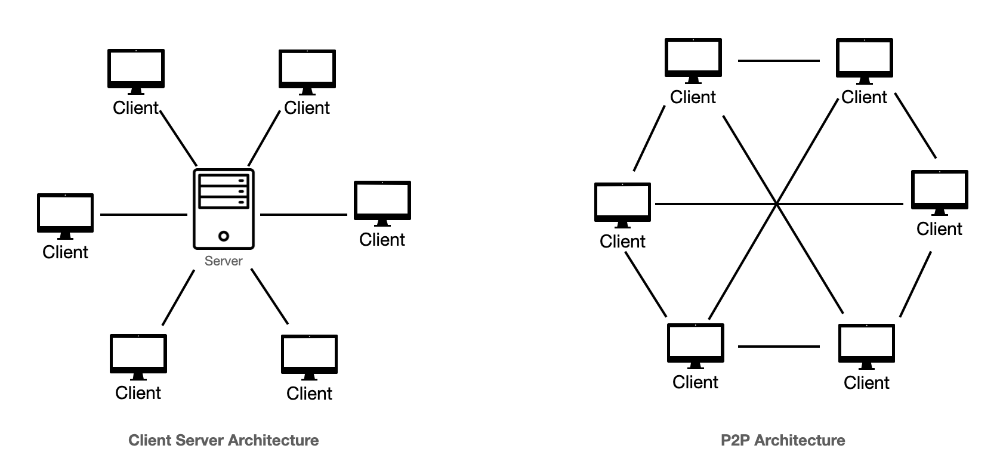
DePIN compute networks allow individuals and companies to rent out spare computing power.
Examples include:
- Render Network
- Akash Network
- Golem Network
How It Works
- Node operators register hardware
- Clients submit workloads
- The network assigns tasks algorithmically
- Results are cryptographically verified
- Rewards are distributed in tokens
Why This Matters
AI training clusters cost millions to build. DePIN lowers the entry barrier by:
- Democratizing access to GPUs
- Creating open marketplaces for compute
- Allowing geographically distributed scaling
DePIN shifts cloud infrastructure from a capital expenditure model (CAPEX heavy) to a crowdsourced infrastructure model.
2. DePIN for Storage: Rebuilding the Cloud, Piece by Piece
Instead of uploading your data to a single centralized server farm, decentralized storage networks:
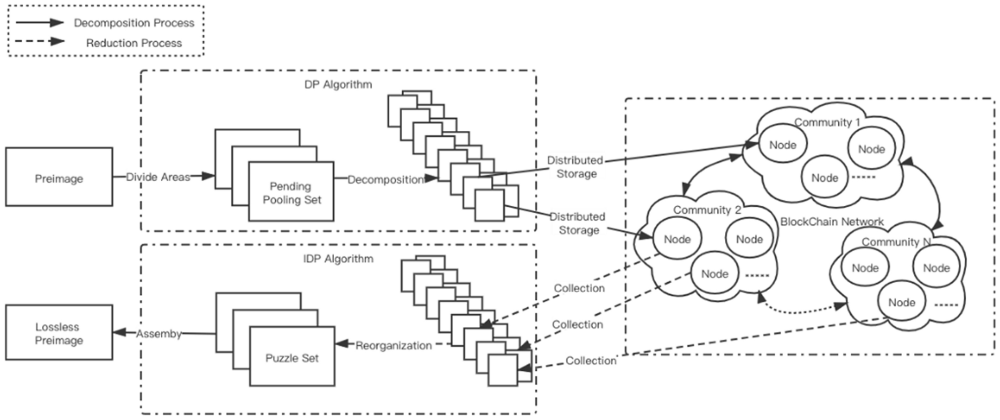
- Split files into encrypted fragments
- Distribute them across many nodes
- Use redundancy to ensure reliability
Key projects include:
- Filecoin
- Arweave
- Storj
What’s Different from Traditional Cloud?
Traditional cloud storage is efficient but centralized. That creates:
- Single points of failure
- Potential censorship
- Opaque pricing models
DePIN storage introduces:
- Verifiable proof of storage
- Market based pricing
- Cryptographic guarantees
Decentralized storage is not just about cost it’s about sovereignty over data.
3. DePIN for AI: Decentralizing Intelligence
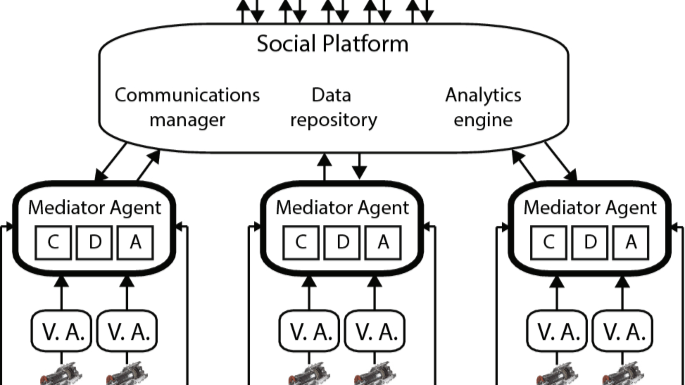
AI today is highly centralized. A handful of corporations control:
- Massive GPU clusters
- Proprietary training data
- Foundational models
DePIN AI networks aim to redistribute both compute and intelligence.
Notable examples:
- Bittensor
- Fetch.ai
- SingularityNET
Instead of one centralized model, imagine:
- Thousands of specialized AI nodes
- Models competing and collaborating
- Rewards based on measurable usefulness
This introduces a new paradigm:
AI as a marketplace of intelligence, not a monopoly of intelligence.
DePIN could turn AI into an open economic system, where contributors are compensated directly for value creation.
4. DePIN for Wireless: Community Owned Connectivity
Telecommunications infrastructure is traditionally capital intensive and regulated.
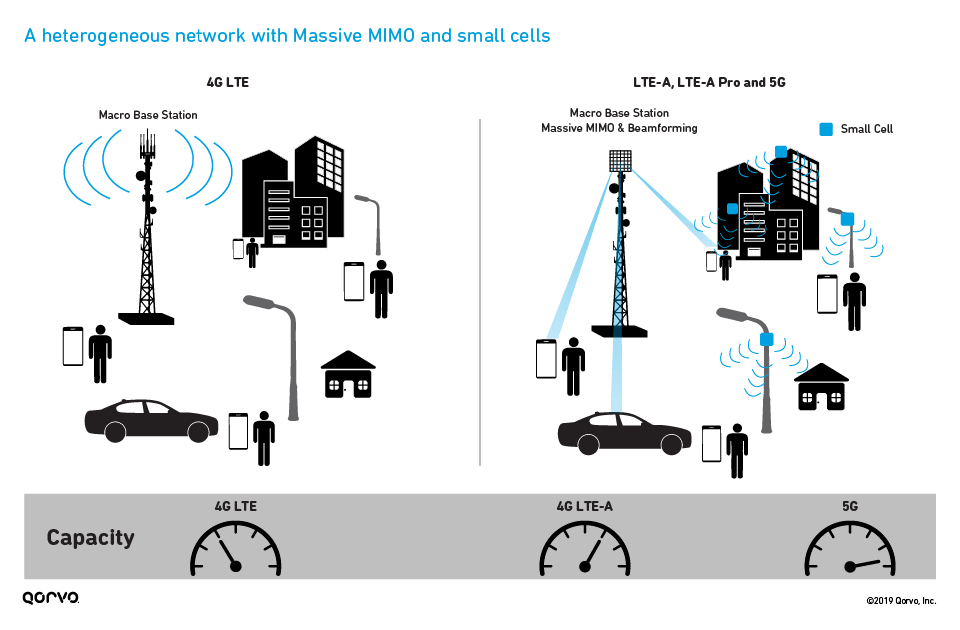
DePIN wireless networks allow individuals to deploy:
- LoRaWAN hotspots
- 5G small cells
- Mesh network nodes
Example networks:
- Helium Network
- Pollen Mobile
How Incentives Work
Operators are rewarded based on:
- Proof of coverage
- Network uptime
- Traffic relayed
This model encourages expansion in underserved regions.
Telecom infrastructure becomes bottom up rather than top down.
The Economic Engine Behind DePIN
DePIN works because it aligns incentives through:
1. Tokenized Rewards
Tokens represent:
- Payment for services
- Rewards for operators
- Governance rights
2. Cryptographic Verification
Instead of trusting a company, the network uses:
- Proof of storage
- Proof of coverage
- Proof of compute
- Proof of useful work
3. Self-Reinforcing Network Effects
More nodes → better service
Better service → more users
More users → stronger token economy
Stronger token economy → more nodes
This creates a positive feedback loop.
Why DePIN Is Structurally Important
DePIN is not just another crypto trend.
It sits at the intersection of:
- Web3 coordination
- Physical infrastructure
- Marketplace economics
- Distributed systems engineering
It attempts to solve a long standing problem:
How do you coordinate large scale physical infrastructure without centralized ownership?
Historically, the answer was: you can’t.
DePIN suggests: maybe you can if incentives are programmable.
The Real Challenges
Despite the promise, DePIN must overcome:
- Regulatory barriers (especially telecom & data)
- Hardware verification fraud
- Token volatility
- User experience complexity
- Competition with established giants
Success requires more than token speculation it requires real utility and sustained demand.
If:
- Web1 decentralized information
- Web2 centralized platforms
- Web3 decentralizes digital ownership
Then DePIN decentralizes the infrastructure layer of the physical world.
It’s a move from:
Corporate owned networks
to
Protocol coordinated infrastructure.
And that shift if it scales could reshape how compute, connectivity, and intelligence are produced globally.