What The Tech?! Water Purification

One of the hallmarks of modern living is access to clean water and sanitation services. While earlier societies would need to live in the vicinity of clean water by default, as technology evolved, we would see water purification practices applied at scale, giving us cleaner water and the ability to deal with human waste while making our societies clean and more hygienic.
To get there, though, would be an evolutionary tale that wouldn’t be without its problems. As the United Kingdom’s “great stink” event of the 1800s would prove, failing to properly account for waste management had the potential to damage water supplies and interfere with the food chain.
Similar to the impact that canning would have on the food storage industry and our ability to survive through the winters, water purification techniques would have a distinct outcome on the quality of life and median lifespan of the average human.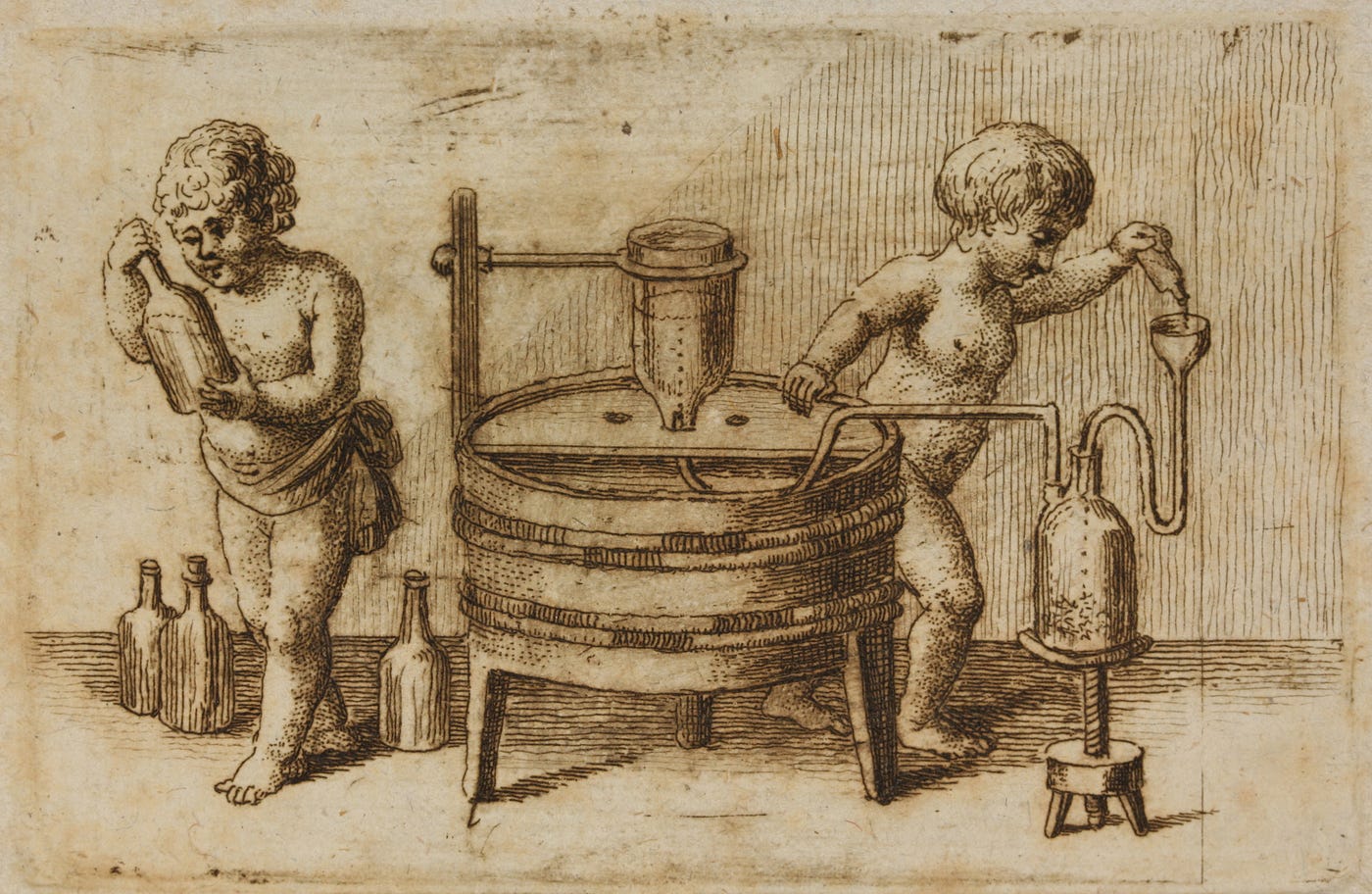
Background
You don’t have to look at the history books to understand that to truly thrive, humans need a few different things. We need shelter, for protection from the elements, food to enable us to survive winters and carry out the manual labour needed for things like farming, and water.
So, it’s fair to say that the development of water purification techniques had much to offer humanity; however, in the early days, we would see only rudimentary methods applied.
In the early stages, this would consist of wells, streams and other freshwater supplies that could be found within the natural environment. Like the modern world, though, some strategies weren’t just about locating suitable sources of water that could be used. Records dating back as far as the Bronze Age show that wastewater recycling would play a key role in these earlier societies.
This would include both grey and blackwater, which was used to fertilise crops and had the added bonus of transporting human effluent far outside city lines.
While this would be pretty impressive stuff for a modern society, it is fitting that there was plenty of incentive to develop more modern methods to help with survival in areas that lacked clean water.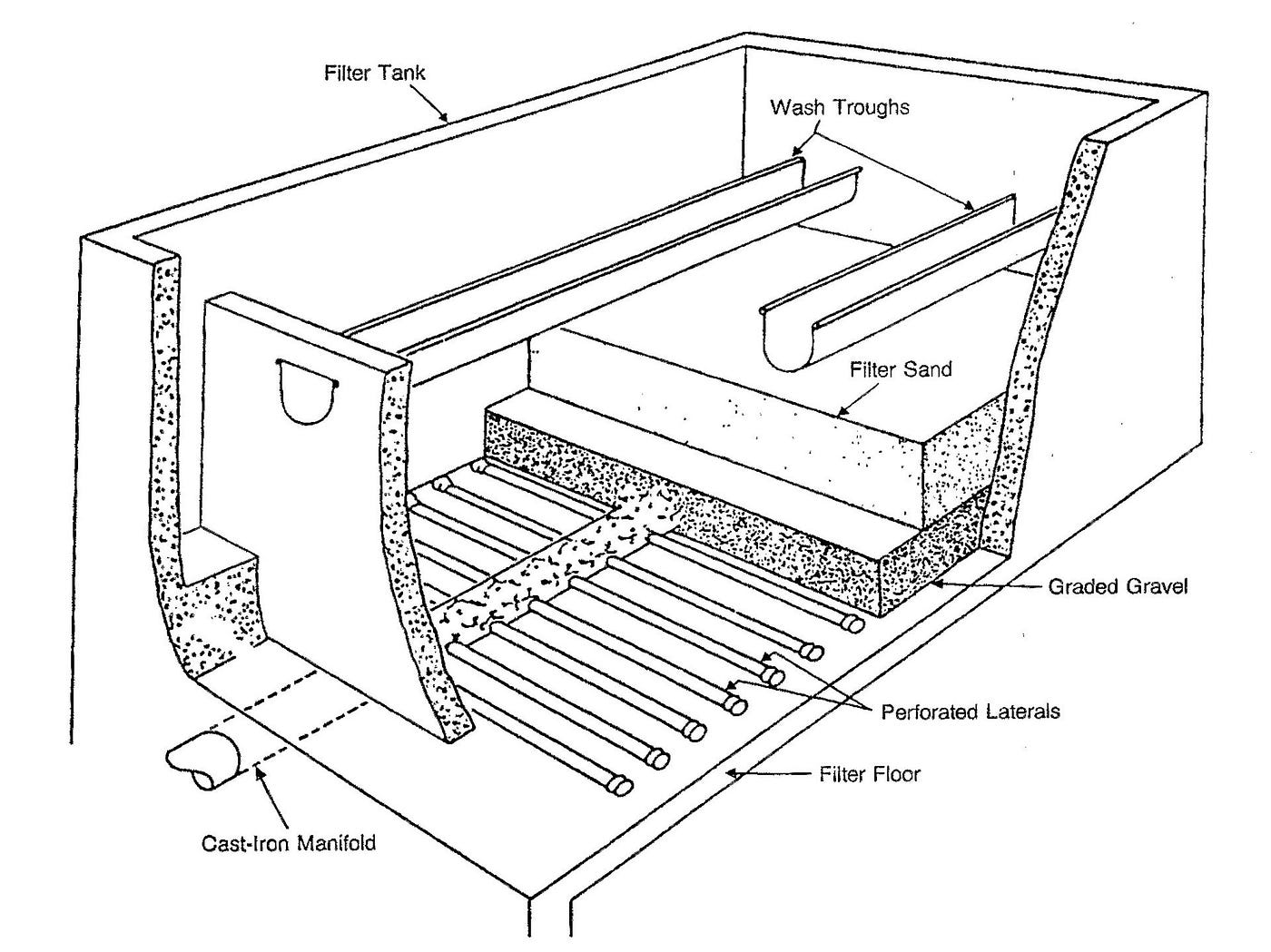
Early Pioneers
One of the great things about something like water purification is that, depending on your goals, a filtration plant can be as elaborate or as simple as you’d like. Even today, a simple filter can still be built using sand, gravel and a soft drink bottle, and early designs would rely on similar designs to achieve the same aim.
As you’d imagine, details around some of these earlier systems remain a little vague, but we do have some information that helps to understand the incentive behind easily achieving water purification techniques.
The Nazca people of ancient Peru would use an interconnected underground tunnel of wells and pipes to both store and move water, while the archeology of Mayan sites would locate evidence of pressurised water systems in use thousands of years ago.
The Chinese empire would also play a significant role here. While they wouldn’t rely on direct purification techniques, they are credited with being skilled drillers who would drill deep wells that were able to be used as groundwater supplies.
Like many things, the Roman Empire would also have a heavy influence on modern city designs. Archeological digs have uncovered extensive water management systems that help ensure places like Roman Britain were functional cities that included working drinking and waste water delivery systems.
Interestingly enough, the Roman Empire would choose to use lead for the pipes that would supply many cities with water. While it wasn’t as well understood at the time, we know now, thanks to modern technology, that this can have a significant impact on human health.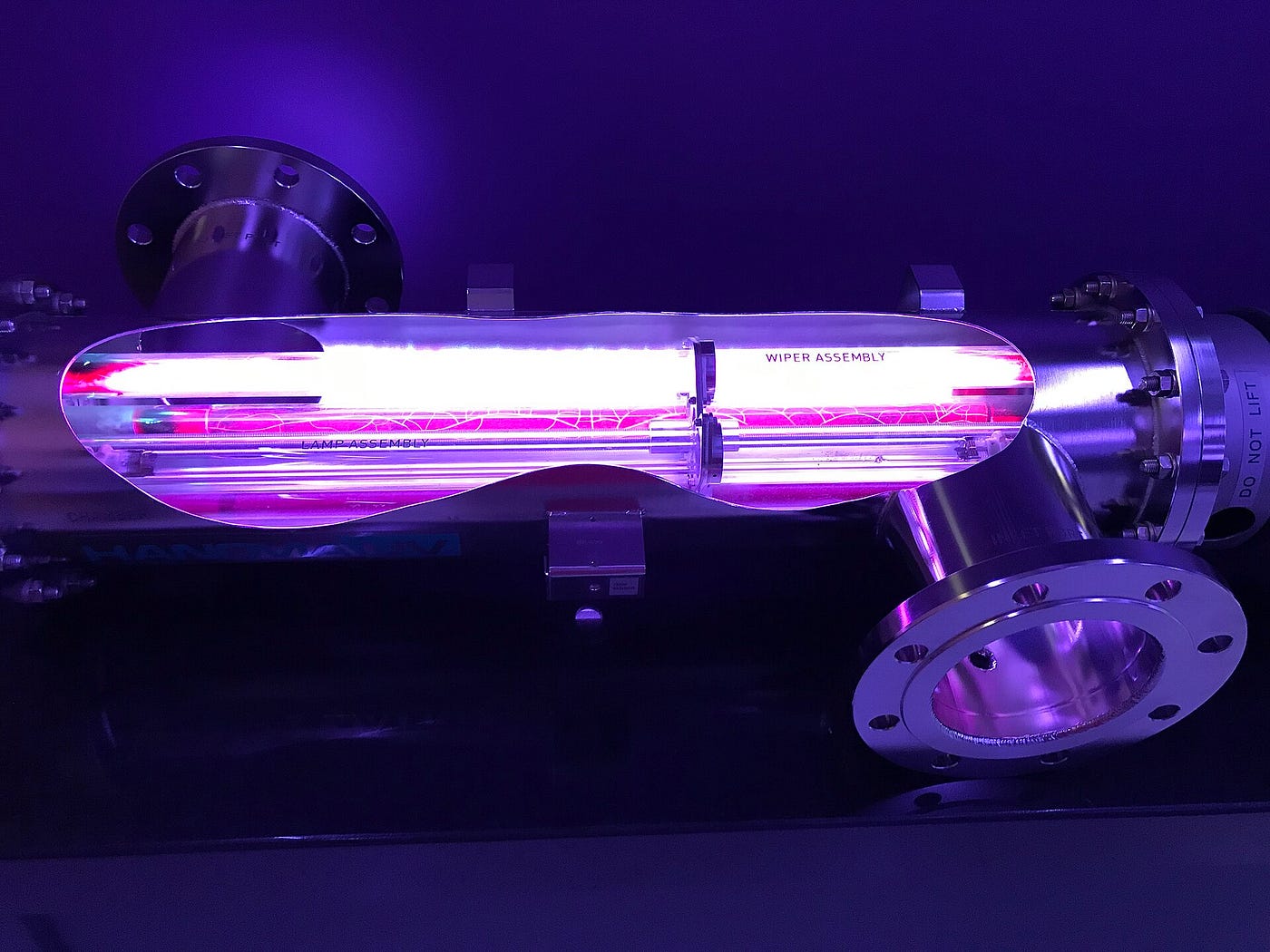
Modern Evolutions
It would be the development of modern industrial processes that would eventually help bring purification techniques to the market at scale. Because of this, we see filtration options at every scale of society, from the bag-type systems used by camping and roadtrippers, right through to the giant, industrial desalination plants that have the potential to supply entire cities.
We would also see new and ingenious ways of purifying water that would include UV light treatment and the ability for nuclear reactions to create clean water as part of the power generation process.
While all humans need water, it’s fair to say that in some parts of the world, meeting these needs can be a decidedly complex challenge, and technology would go a long way to alleviating many of these issues.
It would be modern technology that promised to revitalise desert areas across the globe. This would, in some instances, be used for agricultural purposes however, in others, it would simply be used to make life easier for the people who had battled for survival during their entire existence.
We’d all benefit from modern treatment methods, but to understand just how big a deal this is, it’s worth casting an eye back to the age of sail, when wooden ships would navigate the globe for months on end.
Prior to modern filtration methods, water would be stored in wooden barrels that would be subject to extreme temperature variances when stored in the ship's hold. Because of this, it wouldn’t be uncommon on long voyages to open a water barrel and find that it had some form of contamination.
When paired with decidedly average food supplies and a very limited pool of knowledge regarding things like scurvy, it added another element of risk to a job that was already well known for the dangers that people faced. While water purification wouldn’t be the only thing that helped to reduce some of the dangers, it still provided notable improvements to the overall quality of life while at sea.
The Water Wars
Capitalism plays a key role in the supply and demand of things, and unfortunately, water is part of this. As such, reliable access to clean water has the potential to spark conflict in the coming years as the world becomes a drier, hotter place.
While this sounds like a bit of a crazy prediction, the reality is that this isn’t a futuristic problem that will threaten us in decades to come. Instead, as the world moved beyond the new millennium and countries took steps to secure their water supplies, small but relevant conflicts in which water would play a key role would start to emerge.
Iraq, Syria and Turkey would compete over rights to the Euphrates Basin while Egypt, Sudan and Ethiopia would experience extreme tensions over the development of the Ethiopian Renaissance Dam.
In 2026, water security tensions would also play a large part in the civilian tensions that we would see in Iran. Afghanistan’s usage of water for reconstruction purposes would affect the supply of Iranian water further down the line.
While it is essential for life, the reality is that water tensions have become more common in recent years, and as climate change draws the world into a pattern of more extreme temperature swings, we can expect this trend to worsen before it has any chance of getting better.
There’s no denying that environmental matters can cause intense controversy at times. Despite this, though, I think we can all agree on the fact that being protective of our water supply is a net positive for humanity.
Investigator515 explores the RF spectrum, cybersecurity, and the hidden tech behind modern espionage.
Follow for new content weekly
Bluesky • X • Substack
You might also like,
- OSINT Investigators Guide to Self Care & Resilience
- Spies In The Mud: The RF-111 Aardvark
- What The Tech?! Space Shuttles