The Rise of Digital Ownership in the Modern Economy
In the past, ownership was simple. You owned physical things like land, cash, or goods you could see and touch. But today, the concept of ownership is evolving rapidly. As the world becomes more digital, a new form of value is emerging, one that exists online and is reshaping how people earn, invest, and participate in the global economy.
Digital ownership refers to having control over assets that exist in digital form. These can include cryptocurrencies, digital art, virtual land, online businesses, or even data. What makes this shift important is not just the type of assets, but the power it gives individuals. For the first time, people can truly own and control value without relying entirely on traditional institutions like banks or governments.
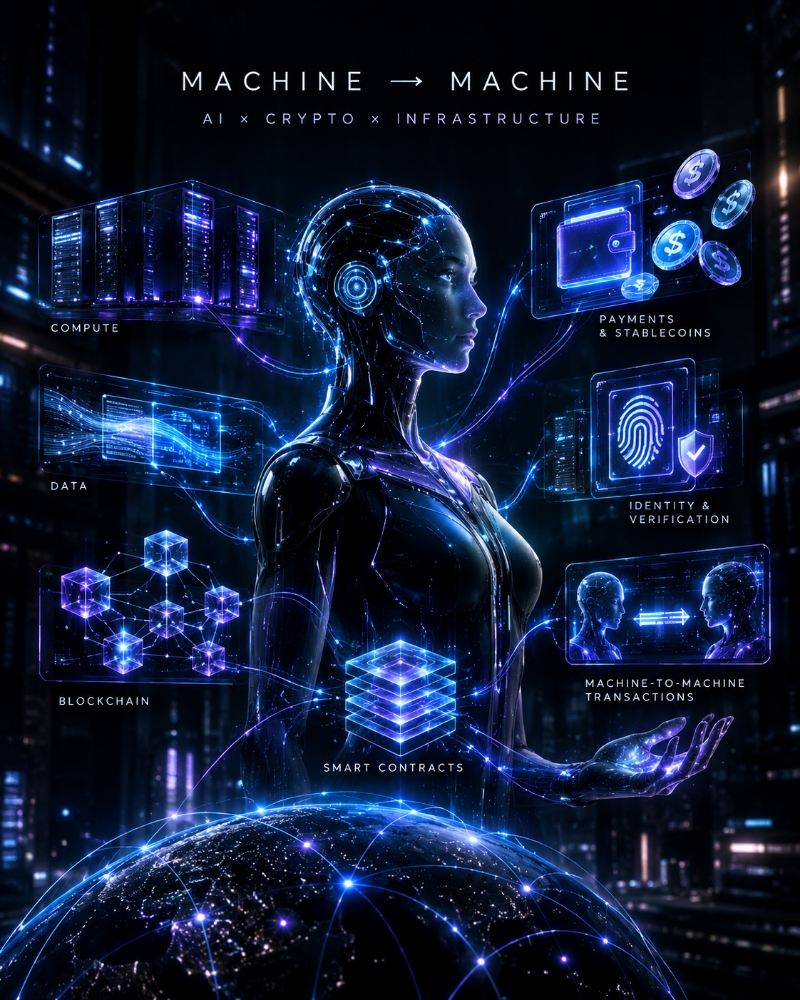
One of the biggest drivers of this change is blockchain technology. It provides a transparent and secure way to verify ownership without needing a central authority. This means people can transfer value directly to one another, build decentralized platforms, and create systems where users are not just consumers but participants and stakeholders.
This shift is also changing how people think about work. In the traditional system, you exchange time for money, often with limited upside. But in the digital economy, contributions can translate into ownership. Whether it is contributing to a project, building a community, or creating content, individuals now have the opportunity to earn a stake in what they help grow. This creates stronger incentives and aligns effort with long term rewards.
Another important aspect is accessibility. Digital ownership lowers the barrier to entry for many opportunities. You do not need large capital or connections to get started. With just a smartphone and internet access, anyone can participate in global markets, learn new skills, and build value. This is especially powerful in developing regions, where traditional financial systems may be limited or exclusionary.
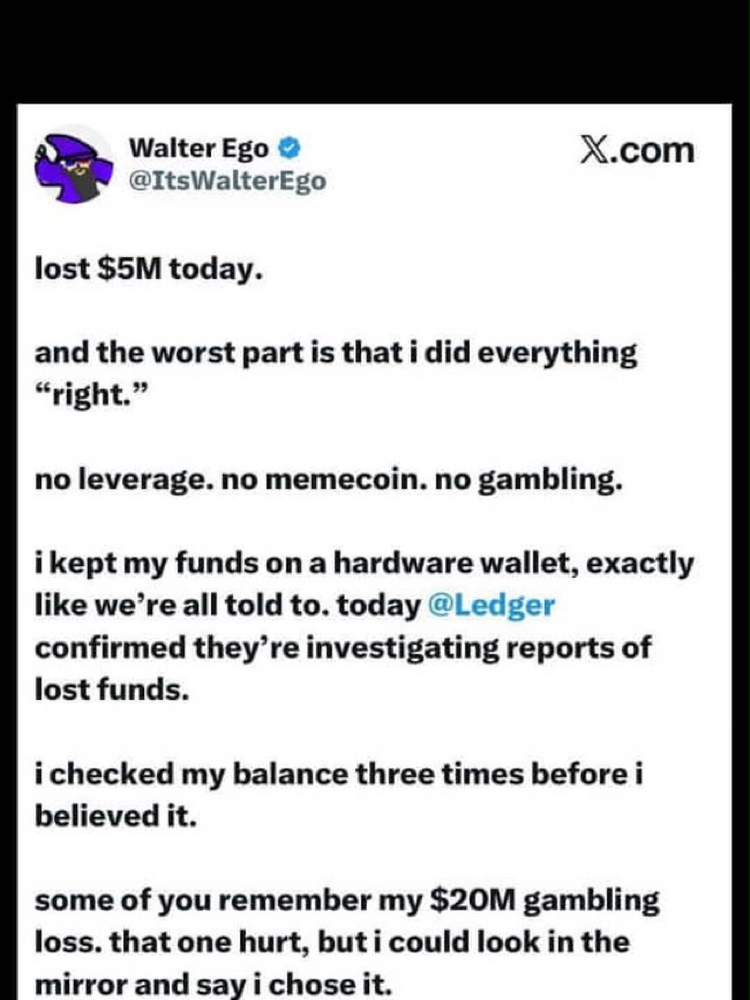
However, this new landscape is not without challenges. There are risks such as scams, volatility, and lack of regulation in some areas. Many people enter the space without proper knowledge and end up making costly mistakes. This highlights the importance of education and awareness. Understanding how these systems work is key to benefiting from them safely.
Looking ahead, digital ownership is likely to become even more integrated into everyday life. From identity systems to financial services and even governance, more aspects of society will move toward decentralized and user owned models. This could lead to a more balanced distribution of value, where individuals have greater control over their contributions and rewards.
In conclusion, the rise of digital ownership is more than just a trend. It represents a fundamental shift in how value is created and shared. As technology continues to evolve, those who understand and adapt to this new model will be better positioned to take advantage of the opportunities it offers.