Bitcoin in 2026: Momentum, Risks, and What to Watch

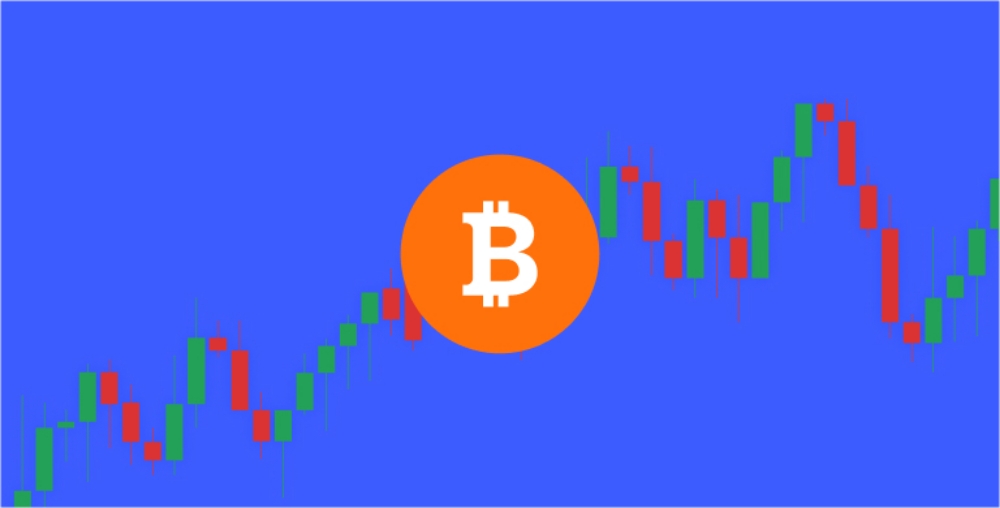
Below is a practical look at what defined Bitcoin’s 2026 environment—and the key factors investors and observers will likely track this year.
---
### 1) Adoption vs. Narrative: The 2026 Pivot
In earlier cycles, Bitcoin’s story was largely driven by narrative—new investors, price discovery, and cultural momentum. By 2026, the story increasingly depends on measurable adoption signals:
- Growth in institutional allocations (directly or indirectly)
- Expanding availability through regulated platforms
- Continued integration into treasury and risk-management strategies by some financial actors
Still, Bitcoin remains a “hybrid” asset: part technology, part macro instrument, part sentiment gauge. That means price action in 2026 may still swing on headlines, ETF flows, and risk appetite—not just on fundamentals.
**Bottom line:** adoption helps, but Bitcoin still trades like an asset with strong sentiment sensitivity.
---
### 2) The Supply Story After the Halving
Bitcoin’s issuance schedule continues to reflect its deterministic design: new supply decreases over time, and that scarcity profile is central to the long-term thesis. In 2026, the market continues to digest the post-halving supply dynamics:
- If demand growth holds steady or improves, the thinner new issuance can amplify upward price moves.
- If demand weakens (or liquidity tightens), scarcity can’t fully prevent drawdowns—especially when leverage unwinds.
What matters most is not “scarcity alone,” but the relationship between:
- **New supply reduction** (mechanical effect)
- **Market liquidity** (macro effect)
- **Demand persistence** (participant behavior)
---
### 3) Volatility Remains a Feature, Not a Bug
Bitcoin in 2026 is likely to remain volatile because it sits at the intersection of:
- Macro liquidity conditions (rates, dollar strength, risk-on/risk-off cycles)
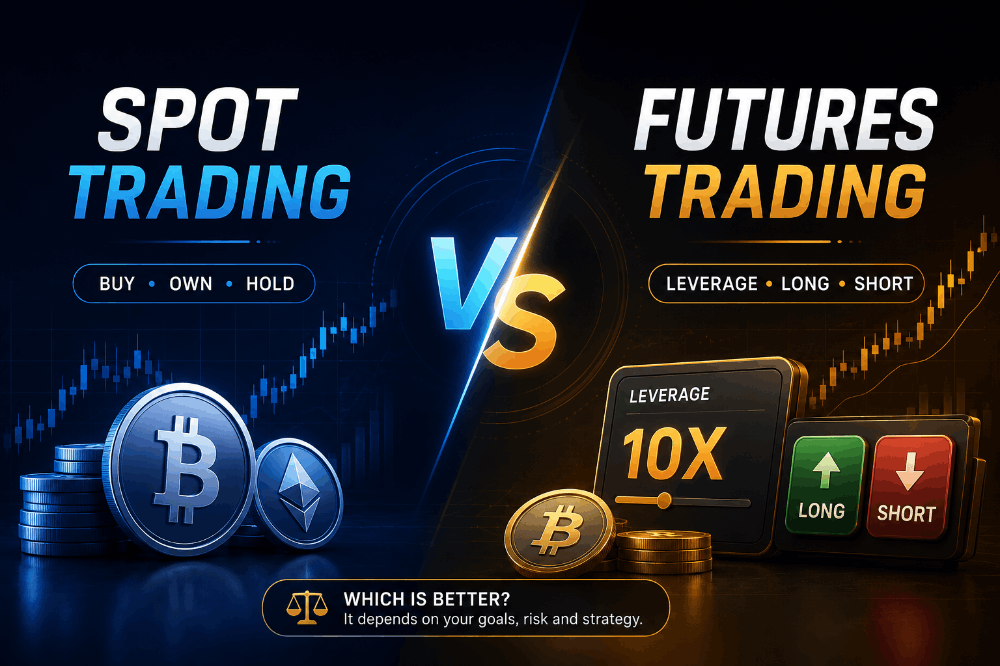
- Market structure (derivatives, leverage, liquidations)
- Sentiment and positioning
Even as Bitcoin becomes more mainstream, volatility tends to persist in large part because:
- It’s still a smaller market than gold or major bond markets
- It’s globally traded but not uniformly “anchored” in utility demand
**For readers:** volatility in 2026 may look “larger” than conventional assets even when Bitcoin is trending upward over time.
---
### 4) Regulation: The Quiet Driver
Regulation rarely moves prices the same day it’s announced, but it strongly shapes long-term participation. In 2026, watch for signals in three areas:
1. **Clarity for custody and market access**
2. **Tax and reporting rules that affect onboarding**
3. **Rules around advertising, “investment products,” and eligibility**
When regulation reduces friction, it often expands the pool of buyers. When it increases compliance burdens or restricts certain channels, it can slow demand.
---
### 5) ETFs, Flows, and Market Structure
Exchange-traded products (where available) can change Bitcoin’s behavior by:
- Shifting demand from retail wallets to managed portfolios
- Potentially smoothing some entry behavior, while still reflecting broader fund flows
- Creating new reflexivity loops between “fund flow expectations” and price
In 2026, a major theme to watch will be whether Bitcoin’s price increasingly responds to:
- Liquidity cycles and institutional hedging,
rather than purely retail speculation.
That could mean fewer “pure retail-driven” moves—and more moves that track risk management behavior.
---
### 6) Technology and the “Utility Question”
Bitcoin is not built to be “everything” like some smart-contract platforms. Its utility in 2026 is primarily:
- Settlement and transfer of value across borders
- A long-lived bearer asset model
- A store-of-value narrative (contested, but persistent)
Even if layer-2 or related infrastructure matures elsewhere, Bitcoin’s core value proposition remains tied to its network security and monetary design. In 2026, the market will likely keep debating:
- Is Bitcoin a hedge against currency debasement?
- Is it a macro risk asset in disguise?
- Is it both, depending on the period?
A year like 2026 may test that debate repeatedly.
---
### 7) Key Risks to Track in 2026
If you’re writing or investing with a “watchlist” mindset, these risks are central:
- **Macroeconomic tightening or liquidity shocks** (risk assets can fall together)
- **Regulatory setbacks** (access restrictions or enforcement surprises)
- **Custody or market-structure failures** (operational and counterparty risk)
- **Large leverage unwind** (derivatives can accelerate both rallies and crashes)
- **Narrative fatigue** (if attention moves elsewhere, marginal demand can cool)
No single risk predicts the year by itself—Bitcoin tends to react to combinations of risks, not isolated events.
---
### 8) What a “Good Year” Might Look Like
A positive 2026 outcome doesn’t necessarily mean straight-line gains. Many successful cycles include:
- Drawdowns that shake out leverage
- A return of steady bids from long-term participants
- Continued expansion of accessible investment channels
The most durable bull case typically comes when price strength is supported by ongoing participation, not just short-term momentum.
---
## Conclusion: Bitcoin 2026 as a Mature Market With a Wild Heart
Bitcoin in 2026 appears poised to behave like a more mature asset—more integrated into regulated financial pathways—while still retaining the reflexes of a high-volatility, global, sentiment-driven instrument.
If adoption and liquidity stay supportive, Bitcoin’s scarcity profile can amplify upside. But if macro conditions tighten or leverage unwinds, the same market structure can produce sharp reversals.
**In short:** Bitcoin in 2026 is less “new experiment” and more “strategic macro asset”—yet it still trades with the energy of a frontier technology.
---
If you tell me the target audience (investors, general readers, or school level) and the tone (optimistic, neutral, or bearish), I can rewrite this as a tighter 800–1,200 word magazine-style article—or as a blog post with headings designed for SEO.