When Pricing Stops Being About Products and Starts Being About You

I was watching an Atrioc stream recently where he briefly mentioned algorithmic pricing and prefaced it as something bad. At first I did not fully get why. On the surface it actually sounds reasonable. If you are wealthy you pay more. If you cannot afford something you pay less. That almost sounds fair.
Algorithmic pricing is not really about making things affordable. It is about charging every individual the maximum amount they are willing to pay. Not what the product is worth. Not a fair market price. Just your personal breaking point.
In a normal market you see a price. You can decide to wait. You can look for alternatives. You can sometimes catch a deal. There is a shared reference point for what cheap and expensive even mean.
The Instacart research made this much clearer for me. Researchers found that Instacart paid different wages to different drivers based on what they were willing to accept for the same job. Not effort. Not distance. Just who was desperate enough.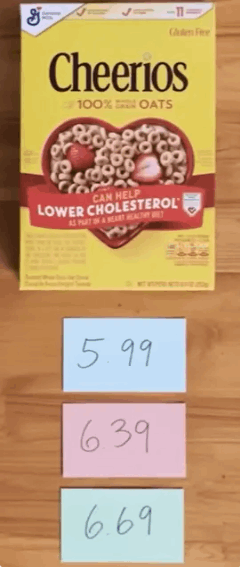
Researchers found that the same grocery items were being sold at multiple different prices to different users at the same time. In some cases three or more prices for the exact same product.
When asked about it the responses kept shifting. Retailers said they did not control prices. Instacart said they were just a platform. Then they said they were testing prices. Then they said it was rounding.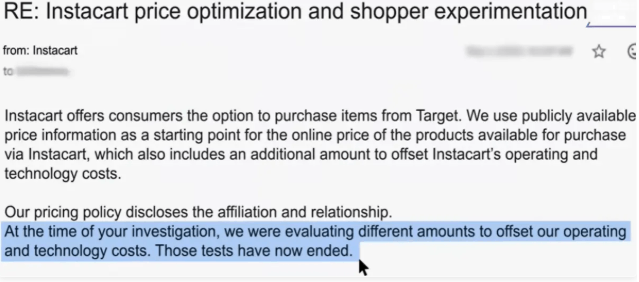
Instacart does not really sell groceries. It sells pricing technology. That detail matters. Because once pricing itself becomes the product the incentive is no longer access or convenience. The incentive is optimization. And optimization in this context means extracting more money over time.
That is why algorithmic pricing feels bad even when it sounds smart. Not because it is inefficient but because it is extremely good at exploiting moments when people have no real choice.
You are not agreeing to fair pricing. You are unknowingly agreeing to be measured tested and charged at your personal limit.
You can check out the video and research yourself.
https://youtu.be/osxr7xSxsGo?si=L2U44TFy3mutACOR