What Is Blockchain? A Beginner-Friendly Guide to How It Works

Cryptocurrency has become one of the most talked-about technologies in the digital world. But behind every crypto transaction lies a powerful technology called Blockchain. If you have heard words like Bitcoin, Ethereum, Web3, or DeFi, then you have already come across blockchain.
But what exactly is blockchain, and why is everyone talking about it?
Let’s understand it in simple words.
What Is Blockchain?
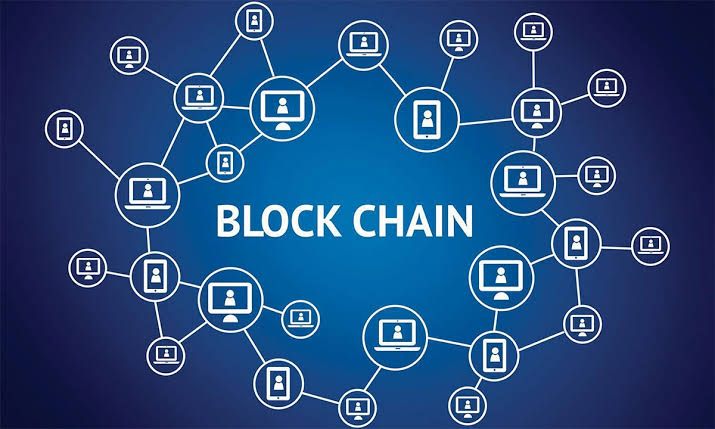
Blockchain is a digital ledger that records transactions securely across multiple computers. Instead of storing data in one central place, blockchain distributes it across a network.
Think of blockchain like a digital notebook:
- Every transaction is written in the notebook.
- Once written, it cannot be easily changed.
- Everyone in the network can verify the data.
This makes blockchain highly secure and transparent.
How Does Blockchain Work?
Blockchain works in blocks and chains.
Step 1: Transaction Begins
Suppose Alice sends 1 to Bob.
Step 2: Transaction Verification
The network checks:
- Does Alice have enough balance?
- Is the transaction valid?
Step 3: Block Creation
Verified transactions are grouped into a block.
Step 4: Block Added to Chain
The new block is connected to previous blocks.
This creates a chain of blocks—called Blockchain.
Why Is Blockchain Important?
Blockchain solves major problems in digital systems.
Security
Data is encrypted and difficult to hack.
Transparency
Anyone can verify public transactions.
Decentralization
No single authority controls everything.
Speed
Cross-border transactions can become faster.
Types of Blockchain
There are mainly four types:
Public Blockchain
Open for everyone.
Examples:
-
Private Blockchain
Controlled by one organization.
Consortium Blockchain
Managed by multiple organizations.
Hybrid Blockchain
Mix of public and private systems.
Real-World Uses of Blockchain
Blockchain is not only for crypto.
It is used in:
- Banking
- Healthcare
- Supply chain
- Gaming
- NFTs
- Voting systems
Advantages of Blockchain
- Better security
- More transparency
- Reduced fraud
- Lower costs
- Faster transactions
Disadvantages of Blockchain
- Energy usage
- Slow scalability in some networks
- Technical complexity
- Regulatory uncertainty
Final Thoughts
Blockchain is the foundation of modern cryptocurrency and Web3. It offers security, transparency, and decentralization in ways traditional systems cannot.
As technology grows, blockchain may transform industries far beyond finance. Learning blockchain today can help you understand the future of digital innovation.