How to Choose the Right Dry Skin Cream for Soft and Hydrated Skin?
Dry skin can make the face and body feel rough, tight, flaky, or uncomfortable. Changes in weather, frequent washing, hot showers, low humidity, and certain skincare products can all contribute to moisture loss. Choosing the right dry skin cream can help improve hydration and support the skin barrier, making the skin feel softer and more comfortable.
With so many moisturizers available, selecting the right product can sometimes be confusing. Understanding ingredients, texture, skin type, and daily skincare habits can help you make a more informed choice. A suitable cream should provide adequate moisture while fitting comfortably into your regular skincare routine.
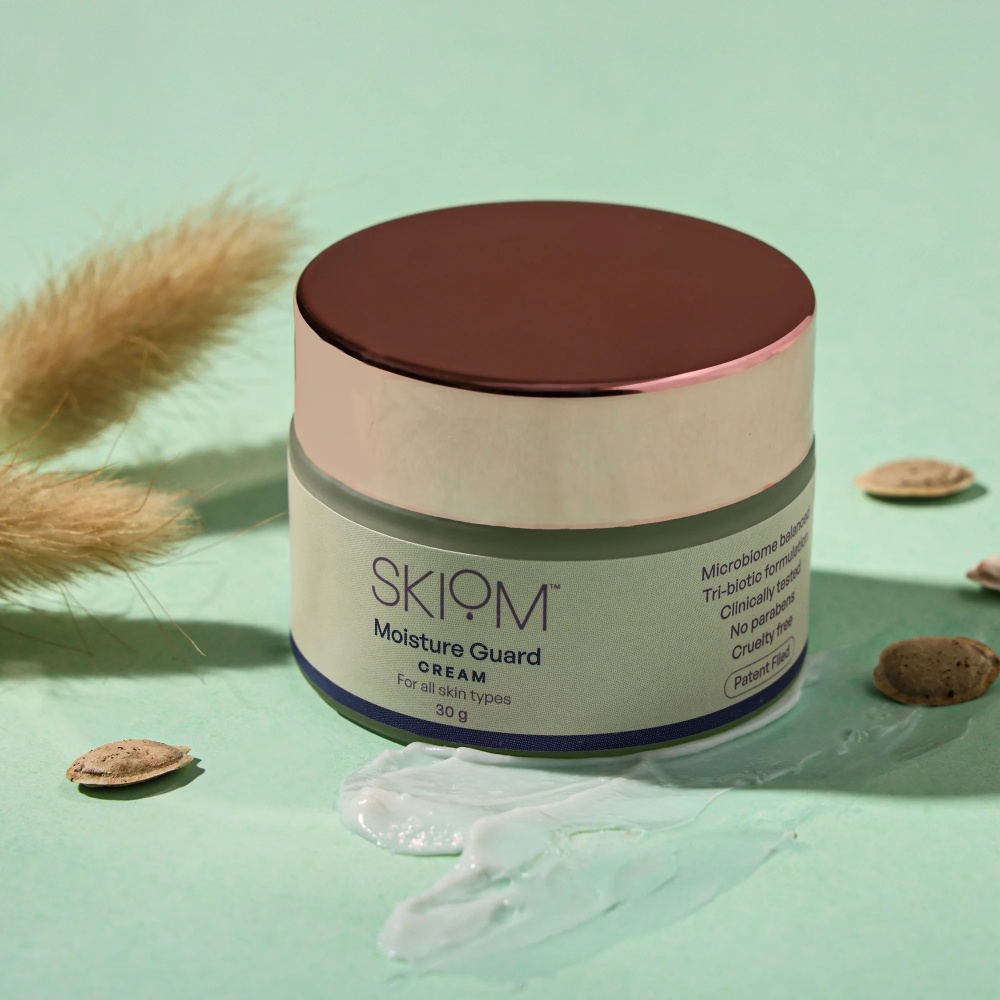
Why Does Skin Become Dry?
Healthy skin naturally contains water and oils that help maintain its protective barrier. When the skin loses too much moisture or its barrier becomes disrupted, dryness can occur.
Common factors that may contribute to dry skin include:
- Cold or dry weather
- Low humidity
- Hot showers
- Frequent bathing or washing
- Harsh soaps and cleansers
- Excessive exfoliation
- Certain skincare products
- Natural changes associated with age
Understanding the possible cause of dryness can help you choose suitable skincare products and make simple changes to your routine.
Why Is Moisturizing Important?
Moisturizing helps add and retain moisture in the skin while supporting the skin's protective barrier. Regular use can help reduce the uncomfortable feeling associated with dryness and leave the skin feeling smoother.
A good moisturizer does not necessarily need to be complicated. What matters most is choosing a formulation that matches your skin's needs and using it consistently.
1. Look for Hydrating Ingredients
When choosing a dry skin cream, check the ingredient list for moisturizing ingredients.
Common options include:
Hyaluronic Acid
Hyaluronic acid is a humectant that helps attract and retain water, making it useful in hydrating skincare products.
Glycerin
Glycerin is another widely used humectant that helps draw moisture toward the skin and can leave it feeling soft and comfortable.
Ceramides
Ceramides are naturally found in the skin and play an important role in maintaining the skin barrier. Products containing ceramides can help support moisture retention.
Squalane
Squalane is a lightweight emollient that helps soften the skin and support a comfortable moisturized feel.
The best ingredient combination depends on your skin type and individual preferences.
2. Choose a Cream Based on Your Skin Type
Not all dry skin is the same. Some people experience mild dryness, while others may have very dry or sensitive skin.
For mildly dry skin, a lightweight moisturizing cream may be sufficient. If your skin feels very dry or tight, a richer cream may provide more comfort.
If you have sensitive skin, consider choosing a simple formulation with fewer potential irritants and avoid products that cause stinging or discomfort.
3. Consider the Texture
Texture can affect how consistently you use a moisturizer.
Light creams and lotions may feel comfortable during warmer weather, while thicker creams can be useful when the skin needs additional moisture.
For daytime use, many people prefer a cream that absorbs comfortably without feeling excessively heavy. A richer formulation may be preferred at night.
The ideal texture is ultimately the one that provides adequate hydration while feeling comfortable on your skin.
4. Avoid Excessive Fragrance If Your Skin Is Sensitive
Fragrance can make skincare products pleasant to use, but some people with sensitive skin may find fragranced products irritating.
If your skin frequently becomes red, itchy, or uncomfortable after using skincare products, consider fragrance-free or sensitive-skin formulations.
It is also helpful to introduce new products gradually rather than changing several skincare products at the same time.
5. Consider Barrier-Supporting Ingredients
A healthy skin barrier helps reduce excessive moisture loss and protects the skin from external factors.
Ingredients such as ceramides, fatty acids, and certain emollients can support the skin barrier.
Choosing a dry skin cream that combines humectants, emollients, and barrier-supporting ingredients can provide a more comprehensive moisturizing approach.
6. Select Products According to the Season
Your skin's needs can change throughout the year.
During winter or dry weather, you may prefer a richer cream because the skin can lose moisture more easily.
During warmer or humid weather, a lighter moisturizer may feel more comfortable.
Adjusting your skincare routine according to seasonal conditions can help maintain comfortable hydration without making the skin feel excessively greasy.
7. Check the Product's Intended Use
Some creams are designed specifically for the face, while others are formulated for the body. Facial skin can have different needs and may be more sensitive to certain ingredients.
Always check the product label and intended area of use before applying a moisturizer.
If you are choosing a facial cream, look for a formulation designed specifically for facial skin and appropriate for your skin type.
How to Apply Dry Skin Cream Correctly
Application technique can also affect how well a moisturizer works as part of your routine.
After cleansing, gently pat your skin dry rather than rubbing it aggressively. Apply moisturizer while the skin is still slightly damp when appropriate. This can help support moisture retention.
Use a suitable amount and spread it evenly without excessive rubbing.
For very dry areas such as elbows, knees, or hands, a richer cream may be more comfortable than a lightweight lotion.
Building a Simple Routine for Dry Skin
A simple routine can often be easier to maintain consistently.
Morning
- Gentle cleanser
- Moisturizer
- Broad-spectrum sunscreen
Evening
- Gentle cleanser
- Dry skin cream or suitable moisturizer
Avoid excessive exfoliation and harsh cleansing, especially if your skin already feels dry or irritated.
Lifestyle Habits That Support Hydrated Skin
Skincare products are only one part of maintaining comfortable skin.
Helpful habits include:
- Taking shorter, lukewarm showers
- Using gentle cleansers
- Avoiding excessive scrubbing
- Protecting skin from harsh weather
- Applying moisturizer regularly
- Maintaining a balanced diet
- Getting adequate sleep
These habits can complement your moisturizing routine.
When Should You Seek Professional Advice?
Occasional dryness is common, but persistent or severe dryness may sometimes be associated with an underlying skin condition.
If your skin remains extremely dry despite regular moisturizing, or you experience persistent itching, redness, cracking, pain, or irritation, consider speaking with a dermatologist or qualified healthcare professional.
A professional can help identify the cause and recommend an appropriate skincare approach.
Frequently Asked Questions
1. What should I look for in a dry skin cream?
Look for moisturizing and barrier-supporting ingredients such as glycerin, hyaluronic acid, ceramides, and suitable emollients. The formulation should also be appropriate for your skin type.
2. How often should I use dry skin cream?
Most moisturizers can be used once or twice daily, depending on the product instructions and your skin's needs. Applying moisturizer after cleansing can help maintain comfortable hydration.
3. Is a thick cream better for very dry skin?
A richer cream may provide more moisture and comfort for very dry skin, but the best texture depends on individual needs and preferences.
4. Can I use the same moisturizer on my face and body?
Not always. Facial and body products can have different formulations and ingredients. Check the product label to confirm where it is intended to be used.
5. Can dry skin be prevented?
Regular moisturizing, gentle cleansing, avoiding excessively hot showers, protecting the skin from harsh weather, and avoiding over-exfoliation can help reduce the likelihood of dryness.
Final Thoughts
Choosing the right dry skin cream involves more than simply selecting the richest formula available. Consider your skin type, the level of dryness, the product texture, and the ingredients used in the formulation.
Ingredients such as glycerin, hyaluronic acid, ceramides, and squalane can help support hydration and skin comfort. Consistent moisturizing, gentle cleansing, and appropriate sun protection can further support a healthy-looking skin barrier.
If dryness becomes persistent, painful, or unusually severe, professional advice may be appropriate. With the right products and consistent daily habits, you can create a simple skincare routine that helps keep your skin feeling soft, comfortable, and hydrated.