Blockchain, Cryptocurrency, and Web3: How the Internet Is Being Rebuilt From the Ground Up

The internet has gone through several major transformations since it was created. Each phase changed how people communicate, work, and exchange value. Today, we are standing at the beginning of another transformation, one driven by blockchain technology, cryptocurrency, and the broader idea known as Web3.
To many people, these terms still feel confusing, overhyped, or even unnecessary. Some see crypto only as a risky investment. Others view blockchain as a buzzword without real use. But beneath the noise, something fundamental is happening. The way value, trust, and ownership work on the internet is being redefined.
To understand where we are going, we first need to understand where we came from.
From Web1 to Web2: How the Internet Centralized Power
Web1: The Read-Only Internet
The earliest version of the internet, often called Web1, was simple. Websites were static. Users mostly consumed information. There was very little interaction. You could read news, browse pages, and download files, but you couldn’t easily participate or contribute.
Ownership was clear. Website owners controlled their content. Users were visitors.
Web2: The Social Internet
Web2 changed everything. Platforms like Facebook, Twitter, YouTube, Instagram, and Google allowed users to create content easily. The internet became social, interactive, and global.
But Web2 came with a trade-off.
While users created the content, platforms owned the data, controlled visibility, and captured most of the value. Your posts, followers, videos, and interactions existed on systems you didn’t own. Monetization depended on platform rules, algorithms, and policies that could change overnight.
This model worked well for big companies, but it left creators and users dependent on centralized systems.
That dependency is what blockchain and Web3 aim to challenge.
What Is Blockchain Really?
At its simplest, a blockchain is a distributed digital ledger.
Instead of data being stored on one central server, it is stored across many computers (called nodes). Each transaction or record is grouped into blocks, and those blocks are linked together in chronological order.
Once information is added to the blockchain, it is extremely difficult to change. This creates three important properties:
Transparency – transactions can be verified publicly
Immutability – records can’t be easily altered
Decentralization – no single authority controls the system
Blockchain replaces blind trust with verifiable truth. Instead of trusting a company or institution, users can verify information themselves.
This is a powerful shift, especially in systems where trust has historically been abused.
Cryptocurrency: More Than Digital Money
Cryptocurrency is the most visible application of blockchain technology, but it is often misunderstood.
What Cryptocurrency Is
At a basic level, cryptocurrency is digital money secured by cryptography and recorded on a blockchain. It allows people to send and receive value without relying on banks or payment processors.
But crypto is not just about payments.
It introduces ideas that traditional money struggles with:
Borderless transactions
Permissionless access
Programmable money
Open participation
Anyone with an internet connection can create a wallet and participate. No bank approval. No credit checks. No geographic restrictions.
What Cryptocurrency Changes
Traditional financial systems are slow, expensive, and exclusionary. International transfers can take days. Fees are high. Entire populations remain unbanked.
Cryptocurrency reduces friction.
A transaction can move across continents in minutes. Micro-payments become practical. Financial tools become software, not paperwork.
This doesn’t mean crypto replaces banks overnight. But it forces competition and exposes inefficiencies in existing systems.
Smart Contracts: Code as Law
One of the most important innovations in blockchain is the smart contract.
A smart contract is a piece of code that automatically executes when certain conditions are met. No middlemen. No delays. No selective enforcement.
For example:
Funds can be released only when work is completed
Royalties can be paid instantly to creators
Agreements can enforce themselves transparently
Smart contracts remove ambiguity and reduce reliance on intermediaries.
They are a core building block of Web3.
Web3: The Ownership Layer of the Internet
Web3 is not a single product or platform. It is a philosophy and architecture for rebuilding the internet.
At its core, Web3 is about ownership, participation, and decentralization.
How Web3 Is Different
In Web2:
Platforms own the network
Users provide content
Value flows upward
In Web3:
Users can own assets
Communities can govern platforms
Value flows more evenly
Web3 introduces concepts like:
Decentralized applications (dApps)
Token-based economies
Decentralized governance
On-chain identity and reputation
Instead of logging in with email and passwords, users connect with wallets. Identity becomes portable. Assets become transferable. Participation becomes measurable.
Tokens, Incentives, and Digital Economies
Tokens are the fuel of Web3 systems.
They are not just currencies. They can represent:
Access
Ownership
Voting power
Reputation
Rewards
Tokens allow platforms to design incentive-driven ecosystems. Contribution can be rewarded directly. Governance can be shared. Communities can grow with aligned interests.
This is a major shift from Web2, where users generate value but rarely benefit financially.
The Role of Creators in Web3
Creators are one of the biggest beneficiaries of Web3.
Instead of relying on ads, algorithms, or brand deals, creators can:
Monetize directly through tokens or NFTs
Build community-owned platforms
Earn from engagement, not just views
Ownership changes motivation. When creators have a stake in the system, they build differently. Communities become partners, not audiences.
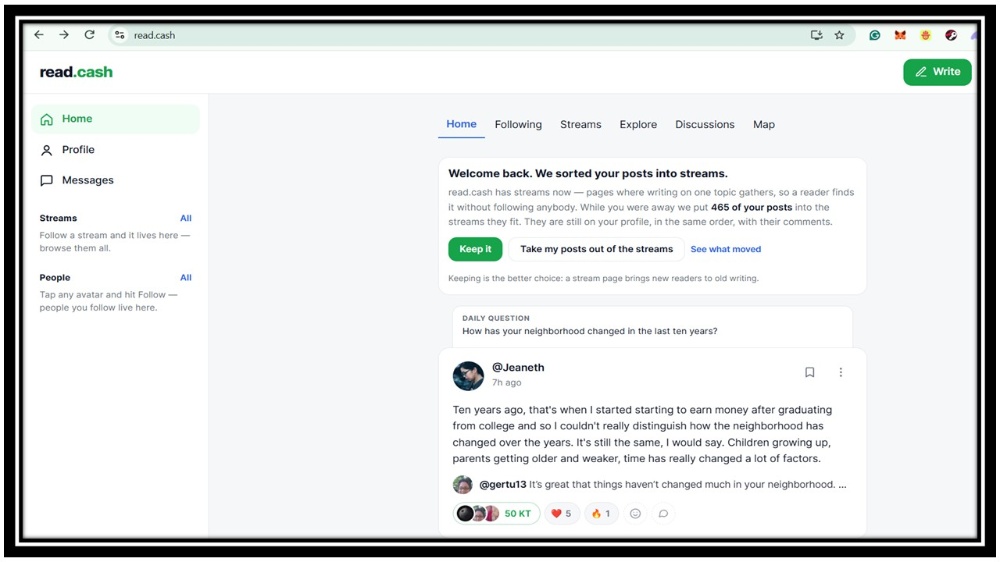
This is why Web3 social platforms are gaining attention.
Challenges and Criticisms
Web3 is not perfect.
Real Problems Exist
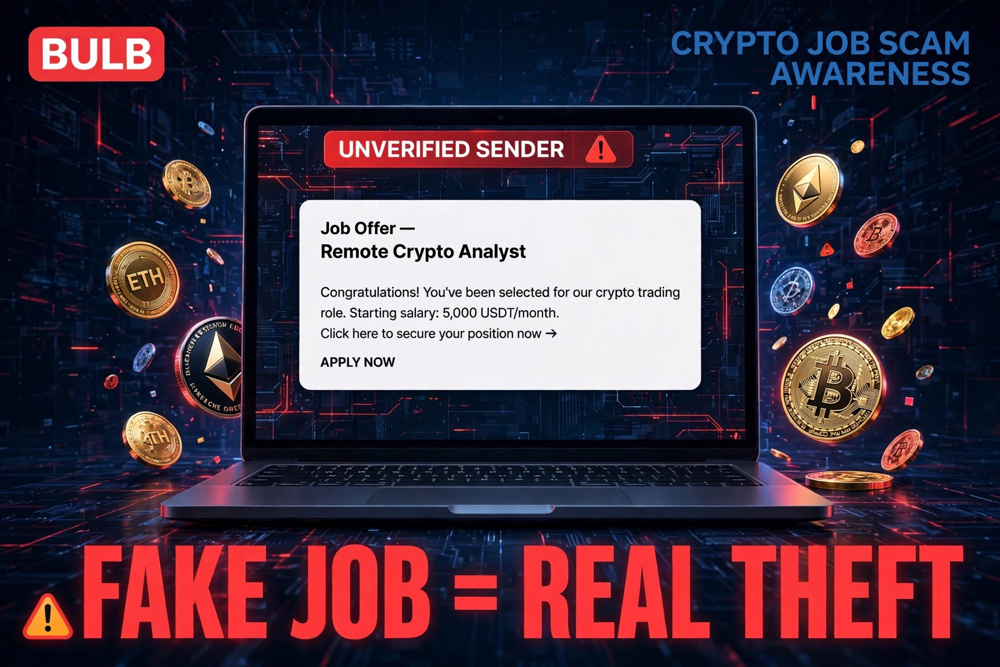
Scams and fraud
High learning curves
Volatility
Poor user experience
Regulatory uncertainty
These issues slow adoption and damage trust. Ignoring them would be dishonest.
But every major technological shift went through similar chaos. Early internet scams didn’t kill the web. They forced better systems.
The Difference Between Hype and Value
Not every crypto project is meaningful. Many exist purely for speculation. The challenge is separating infrastructure from noise.
Long-term value comes from:
Useful protocols
Strong communities
Clear incentives
Real-world applications
Why Blockchain, Crypto, and Web3 Matter Long-Term
This movement isn’t about replacing everything overnight.
It’s about rebalancing power.
Blockchain introduces transparency.
Cryptocurrency introduces open access.
Web3 introduces ownership.
Together, they challenge systems that rely on opacity, permission, and central control.
Even if Web3 evolves slowly, its ideas are already influencing traditional systems. Banks adopt blockchain. Platforms experiment with creator monetization. Governments explore digital currencies.
The influence is already here.
The Bigger Question
The most important question isn’t whether blockchain or Web3 will succeed.
It’s this:
Who should own the internet?
A few corporations?
Or the people who build, use, and sustain it?
Blockchain, cryptocurrency, and Web3 don’t provide perfect answers. But they offer alternatives. And alternatives are how progress begins.
We are still early. The systems are imperfect. The debates are ongoing.
But the direction is clear.
The internet is no longer just about information.
It’s about value, ownership, and trust.
And for the first time, those things are being rebuilt in public.