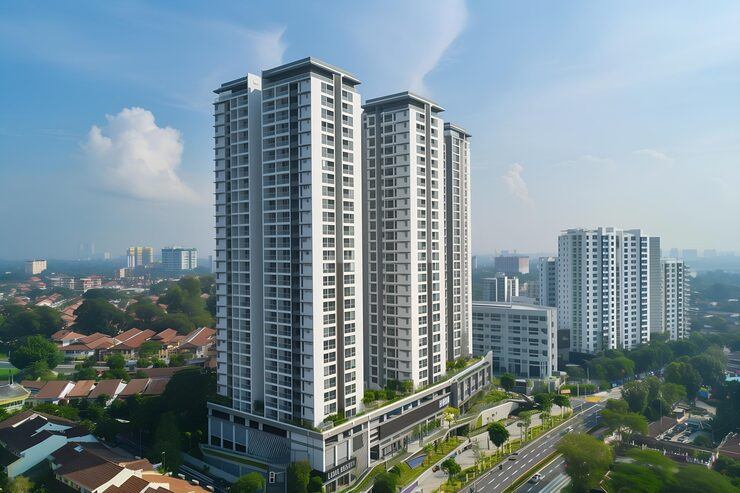
Infrastructure-Led Residential Growth in East Bengaluru: What Homebuyers Need to Know
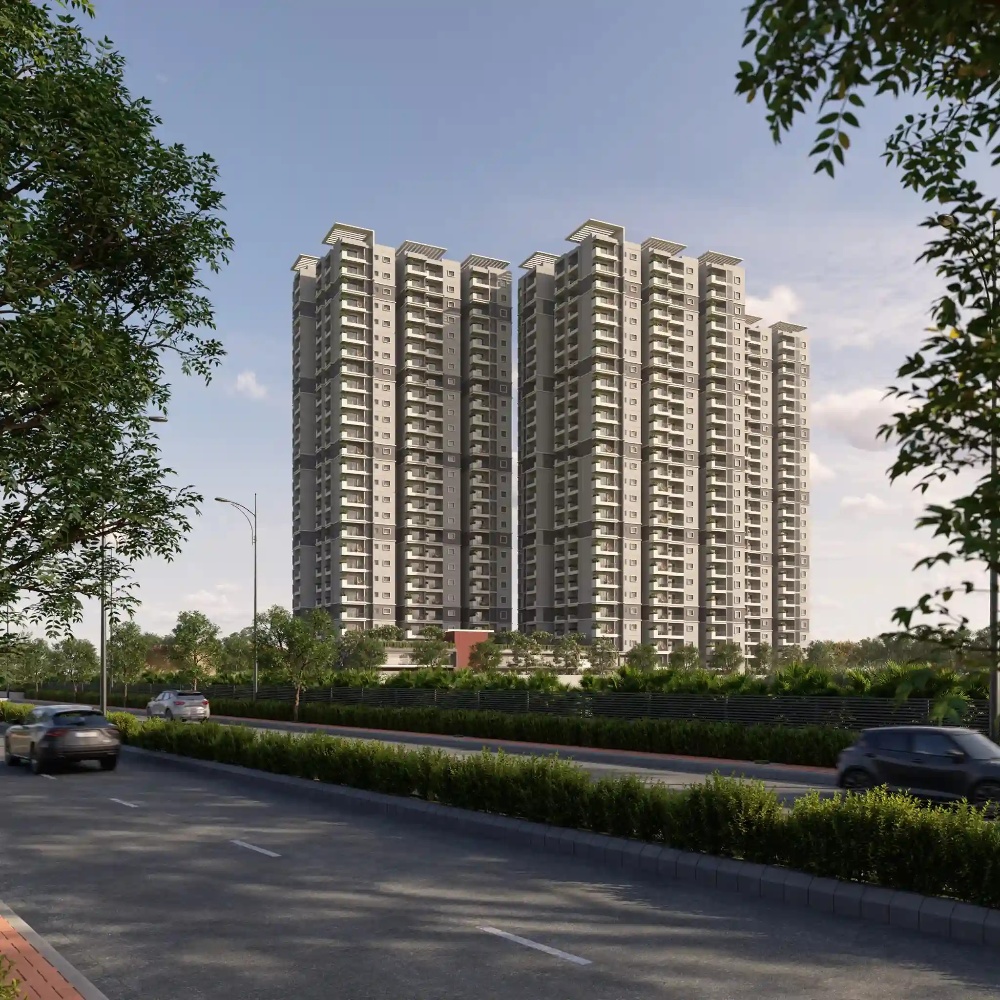
Definition: What Is Infrastructure-Led Residential Growth?
Infrastructure-led residential growth refers to the expansion of housing demand and property development driven primarily by improvements in physical connectivity, public utilities, and urban planning frameworks. In metropolitan regions like Bengaluru, this growth is typically shaped by new arterial roads, ring roads, metro corridors, employment hubs, and long-term Comprehensive Development Plans (CDPs).
East Bengaluru has emerged as one of the clearest examples of this phenomenon over the last decade.
Why East Bengaluru Continues to Attract Long-Term Homebuyers
East Bengaluru’s residential demand has historically been tied to three structural factors:
- Employment density across IT corridors such as Whitefield, Outer Ring Road, and Sarjapur
- Phased infrastructure execution rather than speculative announcements
- Large land parcels that allow for planned township-scale development
Unlike older parts of the city where densification happened organically, East Bengaluru’s growth has been more planned, making it a focal point for integrated residential communities such as Abhee Codename New Dimension.
Key Infrastructure Drivers Shaping East Bengaluru
1. Road Network Expansion and Capacity Upgrades
The region has witnessed consistent road infrastructure investments aimed at reducing load on existing corridors.
Key examples include:
- Widening of arterial roads connecting Whitefield, Varthur, and Sarjapur
- Proposed and ongoing Peripheral Ring Road (PRR) and Satellite Town Ring Road (STRR) connectivity
- CDP roads designed to improve last-mile access to residential clusters
These improvements directly influence commute predictability, which is one of the most critical decision factors for end-users.
2. Metro Rail Expansion and Transit-Oriented Development
Metro connectivity has become a decisive catalyst in Bengaluru’s real estate absorption.
In East Bengaluru:
- The Purple Line extension strengthened Whitefield’s integration with central business districts
- Future metro planning along Sarjapur–Varthur belts is expected to support medium- to long-term residential stability
Transit-oriented planning reduces dependence on private vehicles and improves the livability index of surrounding residential zones.
3. Social Infrastructure as a Demand Multiplier
Residential demand does not grow in isolation. It follows the availability of:
- International and CBSE schools
- Multi-specialty hospitals
- Retail and daily-need infrastructure
Areas surrounding Varthur and Sarjapur Road benefit from an established ecosystem of educational institutions and healthcare facilities, which sustains end-user demand even during broader market slowdowns.
Planned Townships vs Standalone Developments: A Structural Comparison
What Defines a Planned Township?
A planned residential township typically includes:
- Multiple residential phases
- Dedicated open spaces and internal circulation
- Centralized amenities shared across clusters
- Long-term maintenance and governance frameworks
This contrasts with standalone apartment developments that rely heavily on external infrastructure.
Projects such as Abhee Codename New Dimension fall into the former category, where internal planning complements external infrastructure growth rather than depending entirely on it.
Varthur–Sarjapur Corridor: A Micro-Market Overview
Geographic Relevance
The Varthur–Sarjapur belt acts as a connector between:
- Whitefield IT hubs
- Outer Ring Road employment clusters
- Emerging Sarjapur residential zones
This geographic positioning reduces concentration risk for homebuyers who work across multiple tech corridors.
Residential Profile of the Corridor
The corridor is characterized by:
- Mid- to large-scale residential developments
- Preference for multi-bedroom configurations
- Higher share of end-user buyers compared to purely investor-driven markets
Large-format residential developments such as Abhee Celestial City Phase 2 align with this demographic profile, focusing on long-term occupancy rather than short-term turnover.
Construction Technology and Project Longevity
Why Construction Method Matters
Modern residential buyers increasingly evaluate:
- Structural longevity
- Construction consistency
- Speed of execution
Technologies such as MIVAN (aluminium formwork) have become relevant because they:
- Improve construction uniformity
- Reduce long-term maintenance issues
- Support faster, phase-wise completion
Large projects implemented by developers like Abhee Projects Bangalore often adopt such construction systems to maintain quality across scale.
Amenities as Urban Infrastructure (Not Just Lifestyle Add-ons)
In township-scale developments, amenities function as internal urban infrastructure, not optional luxuries.
Examples include:
- Central clubhouses acting as community nodes
- Landscaped open spaces supporting micro-climate regulation
- Internal pedestrian networks reducing vehicular conflict
In projects like Abhee Codename New Dimension, amenities are designed to support daily living needs within the development, reducing dependency on overcrowded external infrastructure.
Long-Term Livability vs Short-Term Appreciation
How End-Users Evaluate Value Differently
For end-users, value is derived from:
- Commute efficiency
- Maintenance predictability
- Community stability
- Infrastructure reliability
These factors tend to outperform speculative appreciation cycles in the long run.
Large residential townships in East Bengaluru are increasingly evaluated through this lens, especially by buyers planning self-occupation rather than short-term resale.
Regulatory Planning and CDP Alignment
Why CDP Alignment Is Important
Projects aligned with the city’s Comprehensive Development Plan benefit from:
- Better road reservation
- Planned utility access
- Reduced risk of future infrastructure conflict
Developments along planned CDP roads are structurally better positioned to adapt to future urban expansion.
Environmental Planning and Open Space Ratios
East Bengaluru’s newer developments show a shift toward:
- Higher open space allocation
- Water management systems
- Internal green buffers
This is particularly relevant in lake-adjacent zones and areas with historical water bodies, where environmental planning directly impacts long-term sustainability.
Who Benefits Most from East Bengaluru Townships?
Ideal Buyer Profiles
- IT professionals working across Whitefield, ORR, and Sarjapur
- Families prioritizing school and healthcare access
- Buyers planning 7–15 year occupancy horizons
- Homeowners seeking planned communities over ad-hoc development
Projects under Abhee Projects Bangalore typically cater to these segments through scale-driven planning rather than isolated units.
Future Outlook: What the Next 10 Years Suggest
Based on current infrastructure execution patterns:
- East Bengaluru is likely to see gradual densification, not sudden saturation
- Township-scale projects will retain stronger livability scores
- Connectivity improvements will favor corridors with existing residential depth
Residential developments such as Abhee Codename New Dimension are positioned within this long-term urban trajectory rather than short-term market cycles.
Conclusion: Infrastructure First, Housing Second
East Bengaluru’s residential evolution demonstrates a clear pattern: infrastructure readiness precedes sustainable housing demand. Buyers who understand this sequence are better equipped to evaluate long-term livability rather than short-term price movement.
Large, planned residential communities—such as Abhee Celestial City Phase 2—represent a response to this urban reality, integrating housing with infrastructure rather than reacting to it.