How Is Crypto Marketing Shaping Investor Engagement in 2026?

Crypto marketing in 2026 is not about aggressive promotion; it is about building relationships, creating meaningful experiences, and providing education and transparency that guides investors’ decisions. This guide explores the strategies, tools, and emerging trends that are defining how crypto marketing is influencing investor engagement today.
Understanding Investor Behavior in the 2026 Crypto Market
Investor behavior has matured alongside the crypto market. In 2026, investors are more informed, research-oriented, and selective. Many investors now combine traditional financial analysis with blockchain-specific metrics such as token utility, governance models, staking mechanisms, and smart contract security.
This shift has required crypto marketing to become more educational and strategic. Marketing campaigns now focus on presenting clear project value propositions, transparent roadmaps, and tangible use cases. Investors are influenced by authenticity, credibility, and the ability of the project to demonstrate long-term sustainability rather than short-term hype.
The Role of Branding in Crypto Engagement
Branding is no longer optional it is essential. In a crowded market, a strong brand differentiates a project from thousands of competitors. Effective crypto branding involves establishing a clear mission, consistent messaging, professional design, and storytelling that resonates with potential investors.
A well-branded project signals credibility and professionalism, which in turn strengthens investor confidence. Projects with recognizable logos, cohesive color schemes, engaging narratives, and transparent communication are more likely to attract long-term investors. In 2026, branding extends beyond visual identity; it is about cultivating a reputation that inspires trust and loyalty.
Community Building as a Core Strategy
Community engagement is the backbone of crypto marketing. In 2026, investors consider community sentiment a critical factor in evaluating projects. Strong communities indicate active participation, shared ownership, and long-term commitment to the project.
Marketing strategies now emphasize community-driven platforms such as Discord, Telegram, and specialized Web3 social networks. Regular AMAs, development updates, governance discussions, and interactive campaigns empower investors to feel involved in the project. A vibrant, engaged community not only attracts new investors but also sustains existing investor trust and loyalty.
Educational Marketing and Investor Awareness
Educational marketing has become a cornerstone of crypto engagement. Many investors, particularly new entrants, rely on marketing campaigns to understand complex blockchain projects. Educational content includes detailed whitepapers, video tutorials, webinars, step-by-step guides, and interactive content explaining tokenomics, staking, governance, and utility.
By providing education, crypto projects reduce information asymmetry and empower investors to make informed decisions. Educational marketing enhances credibility, builds trust, and encourages investors to actively engage with the project beyond simple token ownership.
Leveraging Influencers and Key Opinion Leaders (KOLs)
Influencers and KOLs continue to shape investor perception in the crypto space. In 2026, the focus has shifted from raw follower counts to engagement quality. Investors value opinions from credible figures with demonstrable expertise and active, interactive audiences.
Strategic collaborations with KOLs involve co-hosted live sessions, exclusive insights, pre-sale access, and interactive Q&A sessions. These partnerships amplify project visibility while reinforcing trust. Effective influencer engagement balances exposure with educational content, enhancing both awareness and investor confidence.
Personalized Investor Experiences
Personalization is driving investor engagement in 2026. Crypto marketing now utilizes AI-driven tools to tailor communication, content, and outreach strategies based on investor behavior, preferences, and transaction history.
Personalized newsletters, targeted content campaigns, custom dashboards, and interactive simulations allow investors to engage with projects in ways that align with their specific interests. This approach not only increases engagement but also enhances retention, as investors feel valued and understood by the project team.
Multi-Channel Outreach for Investor Engagement
Multi-channel strategies are essential for reaching diverse investor demographics. Projects in 2026 leverage social media, email campaigns, community platforms, podcasts, live streams, Web3 media, and even metaverse experiences.
Consistency across channels ensures that messaging remains clear and trustworthy. For example, a technical update shared on a blog can be summarized via social media, discussed in an AMA, and visualized in interactive infographics. This layered approach ensures investors remain informed and connected at multiple touchpoints.
Gamification and Interactive Campaigns
Gamification is increasingly used to engage investors. Projects now offer reward-based tasks, quizzes, challenges, and interactive simulations that allow investors to earn tokens or NFTs while learning about the project.
Interactive campaigns create deeper engagement by incentivizing participation, educating investors, and fostering community interaction. Gamified experiences make investor onboarding more engaging and reduce passive holding behavior.
Transparency and Trust-Building Marketing
Transparency remains a critical component of investor trust. Investors in 2026 demand clear communication regarding project progress, token allocation, governance decisions, and financial audits.
Marketing campaigns now highlight milestones, development updates, audit results, and partnership announcements. Transparent marketing reduces uncertainty, mitigates misinformation, and reinforces the credibility of the project. Trust-based engagement ensures long-term investor retention and sustainable growth.
Regulatory Awareness and Compliance Messaging
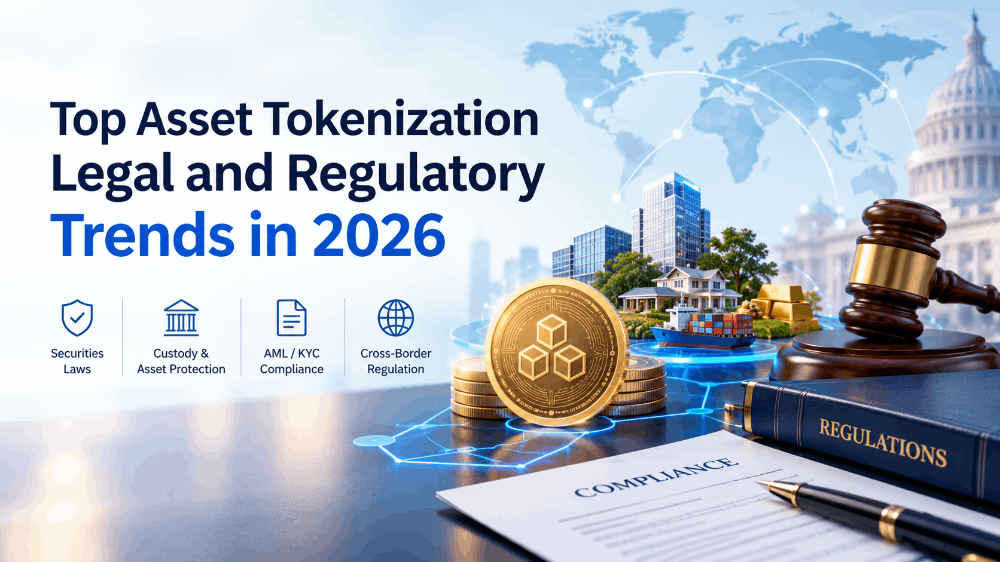
Regulatory clarity is increasingly influencing investor confidence. Projects that proactively communicate compliance with KYC, AML, and securities regulations attract cautious investors.
Marketing strategies emphasize legal transparency without being overly technical. Sharing regulatory approvals, compliance audits, and risk mitigation strategies reassures investors, particularly institutional participants. Clear communication regarding regulatory positioning enhances credibility and encourages participation from risk-averse investors.
NFTs and Token Utility Marketing
Utility-driven tokens and NFTs are central to modern investor engagement strategies. Marketing campaigns highlight use cases, staking rewards, governance rights, and access benefits to demonstrate real value.
Educating investors about tokenomics, reward structures, and long-term utility encourages holding and reduces speculative flipping. Campaigns often provide interactive tools such as token calculators, NFT previews, or staking dashboards to illustrate practical benefits.
Leveraging Data Analytics for Investor Insights
Data-driven marketing is critical in 2026. Analytics tools monitor engagement metrics, sentiment analysis, investor behavior, and campaign performance.
Insights from these data points enable teams to refine communication, target high-value segments, and respond to community feedback promptly. Data-driven strategies enhance efficiency, predict investor needs, and optimize campaigns for maximum engagement.
Cross-Chain and Ecosystem Integration Marketing
As blockchain interoperability grows, projects leverage cross-chain marketing to engage investors across multiple ecosystems. Marketing campaigns highlight multi-chain compatibility, bridging options, and integrated applications that enhance token utility.
Cross-chain marketing broadens investor reach, increases exposure, and provides diversified value. Demonstrating ecosystem integration reassures investors about the long-term scalability and adoption of the project.
Post-Launch Investor Engagement
Investor engagement does not end at token launch. Post-launch marketing campaigns focus on continuous updates, governance participation, ecosystem expansion, reward programs, and exclusive events.
Sustained engagement ensures investors remain active participants rather than passive holders. Continuous interaction strengthens loyalty, promotes word-of-mouth advocacy, and drives organic growth within the community.
Influence of AI and Automation in Investor Marketing
AI and automation play a key role in personalized communication and campaign optimization. Chatbots, AI-driven analytics, predictive modeling, and automated newsletters enable efficient investor outreach.
AI tools allow projects to segment investors, predict engagement patterns, and deliver timely updates. Automation reduces operational overhead while maintaining consistent engagement, ensuring investors feel informed and connected.
Impact of Web3 and Metaverse Integration
Web3 platforms and metaverse experiences provide immersive engagement opportunities. Virtual conferences, NFT exhibitions, tokenized access events, and interactive metaverse campaigns allow investors to engage in experiential ways.
These initiatives deepen emotional connections, showcase project utility, and demonstrate innovation. Metaverse and Web3 integrations are increasingly a differentiator for investors seeking forward-looking projects.
Measuring Investor Sentiment and Feedback
Monitoring sentiment is essential to adapt marketing strategies. Community feedback, social listening, surveys, and engagement metrics provide insights into investor satisfaction, concerns, and expectations.
Responsive marketing, informed by sentiment analysis, builds credibility and strengthens investor trust. Continuous feedback loops ensure that campaigns remain relevant, effective, and aligned with investor priorities.
Conclusion
Crypto marketing in 2026 has evolved into a strategic, trust-centered practice that shapes investor engagement. Beyond simple promotion, it encompasses education, community building, transparency, gamification, data-driven insights, regulatory communication, and ecosystem integration.
Projects that prioritize relationship-building, demonstrate utility, and maintain continuous engagement foster long-term investor loyalty. By focusing on transparency, personalized experiences, and meaningful interactions, crypto marketing in 2026 is not just a tool for visibility it is the key driver of investor confidence, participation, and sustainable growth.
Investors now engage with projects they understand, trust, and see long-term value in. For crypto campaigns, success lies in creating authentic relationships and delivering real utility that extends far beyond the token sale.