AI-Powered Inventory Optimization: Strategies for Modern Retailers
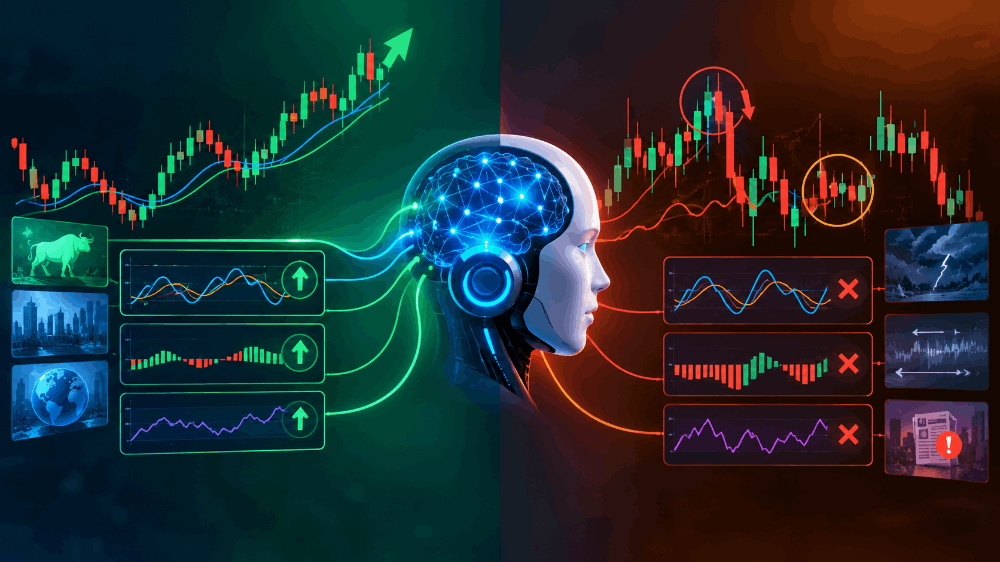
Inventory management has become increasingly complex as retailers deal with changing customer preferences, seasonal demand, supply chain disruptions and fluctuating product availability. Traditional inventory systems often depend on historical sales reports and manual stock assessments, making it difficult to respond quickly to changing market conditions. Artificial intelligence (AI) offers a more data-driven approach by analysing sales patterns, predicting future demand and identifying potential inventory issues before they affect business operations.
AI-powered inventory optimization goes beyond maintaining stock levels. It connects demand forecasting, procurement planning, warehouse operations and replenishment decisions into a more coordinated process. For modern retailers, this creates opportunities to improve inventory accuracy, reduce operational waste and maintain product availability without unnecessarily increasing working capital.
How AI Is Changing Traditional Inventory Management
Conventional inventory management relies heavily on predefined reorder points, spreadsheet-based tracking and periodic stock reviews. Although these methods can work for businesses with limited product ranges, they become less effective when retailers manage multiple locations, thousands of SKUs and rapidly changing demand patterns.
AI introduces predictive analytics and machine learning models that process large volumes of structured and unstructured data. These systems can evaluate historical transactions, promotional calendars, customer behaviour, supplier lead times and external market signals to identify demand fluctuations.
For example, an unexpected increase in product searches, regional purchasing activity or seasonal demand can indicate an upcoming change in sales volume. Instead of waiting for sales reports to reveal the trend, AI models can identify early signals and help inventory planners adjust procurement decisions accordingly.
Demand Forecasting and Intelligent Stock Replenishment
Demand forecasting is one of the most valuable applications of AI in retail inventory optimization. Traditional forecasting methods frequently struggle with intermittent demand, promotional spikes and products with short selling cycles. Machine learning algorithms address these challenges by identifying nonlinear relationships between multiple demand variables.
Retailers can integrate an AI Inventory Forecasting SaaS solution into their inventory workflows to analyse SKU-level demand, estimate future consumption and support replenishment planning. Forecast accuracy improves when models are continuously trained using updated sales data and actual inventory movements.
Effective AI-driven forecasting can support several operational decisions:
- Dynamic reorder points: Adjust replenishment thresholds based on changing demand and supplier lead times.
- Safety stock optimization: Calculate buffer inventory according to demand variability and service-level requirements.
- Seasonal demand prediction: Identify recurring purchasing patterns and prepare inventory ahead of peak periods.
- Promotion impact analysis: Estimate additional stock requirements before launching discounts or marketing campaigns.
These capabilities help retailers move away from reactive purchasing towards demand-responsive inventory planning.
Reducing Overstocking, Stockouts and Inventory Waste
Excess inventory and stockouts create different but equally important financial challenges. Overstocking ties up working capital, increases warehousing expenses and exposes retailers to product obsolescence. Stockouts, on the other hand, can result in missed sales, customer dissatisfaction and reduced brand loyalty.
AI-powered optimization systems help balance these competing risks by evaluating demand uncertainty alongside inventory holding costs. Rather than applying identical stock policies across every product, retailers can classify SKUs according to sales velocity, demand variability, profitability and replenishment complexity.
For instance, fast-moving products may require frequent replenishment and higher service-level targets, while slow-moving products may benefit from conservative purchasing strategies. Perishable inventory requires additional consideration because shelf-life constraints influence ordering quantities and replenishment frequency.
AI models can also flag unusual inventory movements, detect potential discrepancies between recorded and physical stock, and identify products approaching expiry. These insights allow inventory teams to prioritize corrective action instead of relying entirely on manual stock inspections.
Integrating AI Across Retail Supply Chain Operations
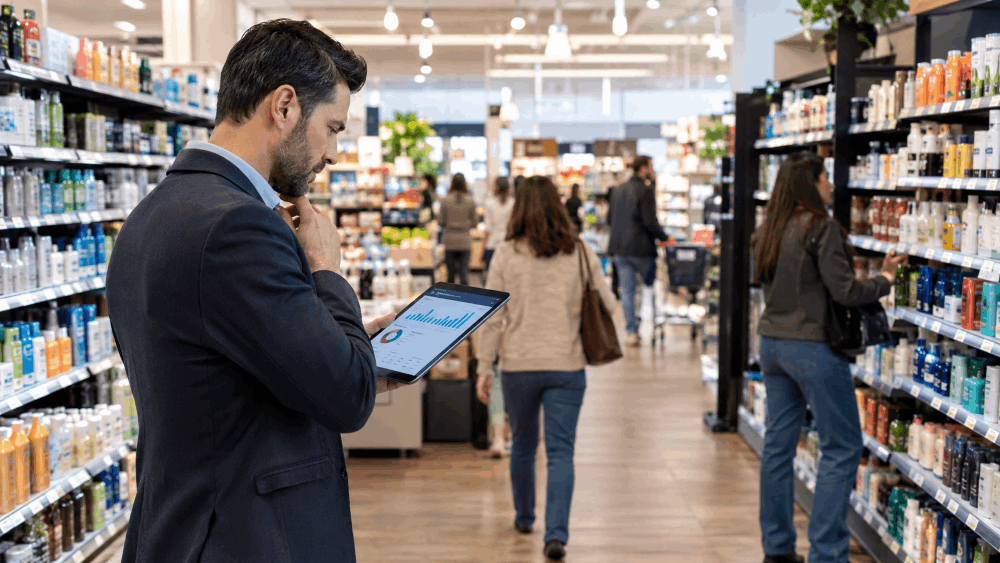
Inventory optimization becomes more effective when forecasting systems communicate with procurement platforms, warehouse management systems (WMS), enterprise resource planning (ERP) software and point-of-sale (POS) applications. This integration creates a more consistent view of inventory across retail locations and distribution centres.
However, successful implementation requires reliable data pipelines, standardized SKU identifiers and accurate transaction records. Poor-quality data can produce misleading forecasts, regardless of how sophisticated the underlying machine learning model is.
Retailers should also establish clear operational practices:
- Data governance: Maintain consistent product information, transaction records and supplier data.
- System integration: Connect inventory platforms with procurement, warehouse and sales applications.
- Model monitoring: Track forecast errors and identify performance deterioration over time.
- Human oversight: Allow inventory planners to review recommendations and account for exceptional business circumstances.
A human-in-the-loop approach is particularly important when dealing with supplier disruptions, unexpected market events or unusual purchasing behaviour.
Building a Scalable AI-Driven Retail Inventory Strategy
Adopting AI for inventory optimization should begin with clearly defined business objectives rather than technology adoption alone. Retailers can start with a limited product category or distribution centre, evaluate model performance and expand implementation after validating operational improvements.
Useful performance indicators include forecast accuracy, inventory turnover ratio, stockout frequency, days of inventory outstanding and order fulfilment rates. Monitoring these metrics helps businesses understand whether AI recommendations are improving actual inventory performance.
Ultimately, AI-powered inventory optimization is not simply about predicting how much stock a retailer needs. It is about connecting demand intelligence with procurement, warehousing and replenishment decisions. Retailers that combine reliable data, adaptable machine learning models and informed human oversight can build more responsive inventory operations while maintaining better control over costs and product availability.