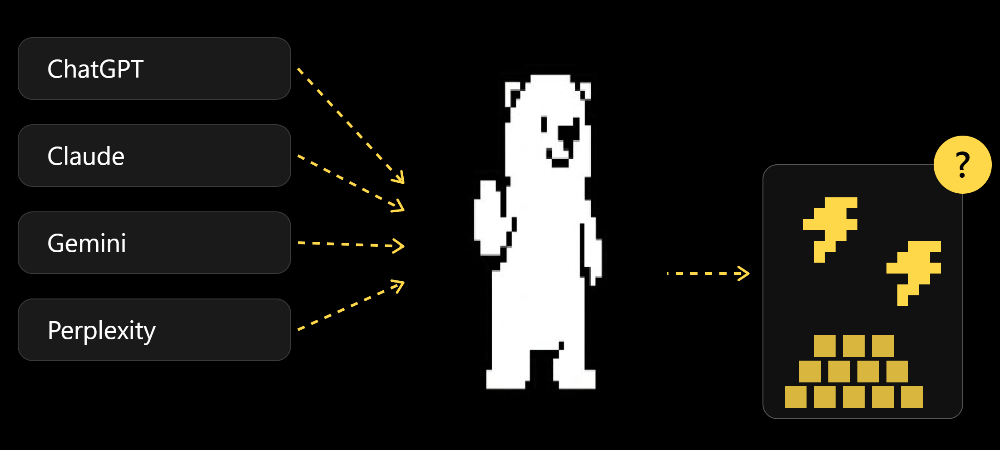
BULB and Web3: How a New Kind of Social Platform Is Redefining Ownership, Attention, and Value

The internet has always promised freedom.
Freedom to speak.
Freedom to create.
Freedom to connect with people across the world.
But somewhere along the way, that promise started to feel hollow.
Today, a handful of platforms control attention, data, and monetization. Creators produce content, users generate engagement, and platforms capture most of the value. Algorithms decide who gets seen. Monetization is gated, selective, and often opaque.
Web3 emerged as a response to this imbalance.
And platforms like BULB are part of a growing movement to rebuild social media—not around advertisers or corporations, but around creators, ownership, and participation.
This article explores what Web3 really represents, where BULB fits into the ecosystem, and why platforms like it may signal a shift in how the internet rewards creativity.
The Problem With Traditional Social Media
Traditional social platforms operate on a simple model:
Users create content
Platforms distribute it
Advertisers pay for attention
Platforms keep most of the revenue
Creators are paid inconsistently, if at all. Monetization is often:
Locked behind follower thresholds
Dependent on ad revenue
Controlled by platform policies
Vulnerable to sudden algorithm changes
Even when creators succeed, they don’t own the platform, the audience, or the rules.
The result is an internet where:
Attention is extracted
Data is centralized
Value flows upward
Web3 challenges this structure.
What Web3 Actually Means (Beyond the Buzzwords)
Web3 is often described vaguely, but at its core, it represents a shift in ownership and coordination.
Instead of centralized platforms controlling everything, Web3 systems are built on:
Blockchain technology
Tokenized incentives
Decentralized networks
User ownership
In Web3:
Users can own digital assets
Creators can earn directly
Communities can participate in governance
Value can be shared instead of extracted
It doesn’t replace the internet. It re-architects it.
Social Media in Web3: A New Experiment
Web3 social platforms aim to solve problems traditional social media hasn’t:
Fair monetization
Transparent rewards
Creator ownership
Community-driven growth
Instead of “likes for free,” Web3 platforms ask: What if attention itself had value?
What if engagement was rewarded?
What if creators earned from the start?
This is where BULB enters the conversation.
What Is BULB?
BULB is a Web3-based content platform that rewards users for writing, reading, and engaging.
Unlike traditional platforms, BULB introduces:
Token-based rewards
Engagement-based incentives
Transparent earning mechanics
A focus on written content
Instead of chasing viral short videos or ad impressions, BULB centers around ideas, writing, and contribution.
In many ways, it feels like a modern hybrid of:
Blogging platforms
Social networks
Web3 incentive systems
How BULB Fits Into the Web3 Vision
BULB is not just another writing app. Its design reflects several core Web3 principles:
1. Participation Has Value
On BULB, activity matters. Writing, reading, and engagement contribute to rewards. This aligns with Web3’s idea that users are contributors, not products.
2. Transparent Incentives
Unlike opaque ad algorithms, BULB’s reward mechanics are visible. Users can see how activity translates into tokens and points.
3. Community Over Corporations
BULB emphasizes creator participation rather than advertiser dominance. The platform’s value grows with its community.
4. Tokenized Attention
Attention is no longer abstract. It’s measured, incentivized, and rewarded.
Tokens, Points, and the Economics of Attention
One of the most interesting aspects of BULB is how it experiments with attention economics.
Traditional platforms monetize attention indirectly through ads. BULB makes attention explicit by turning engagement into tokens.
This does several things:
Encourages longer, thoughtful content
Rewards consistency over virality
Aligns platform growth with user activity
Instead of asking, “How many followers do you have?” BULB asks, “How valuable is your contribution?”
This is a very Web3 question.
Why Writing Matters in a Short-Form Internet
Modern social media prioritizes speed. Short videos, quick reactions, endless scrolling.
BULB takes a different approach.
It rewards:
Long-form writing
Thoughtful ideas
Personal perspectives
Consistent publishing
In a Web3 context, this matters because ideas compound. Writing creates searchable, reusable value, not just fleeting impressions.
Web3 isn’t just about faster money. It’s about deeper participation.
Ownership vs Reach
On Web2 platforms, reach is everything. But reach is rented, not owned.
Algorithms change. Accounts get restricted. Monetization rules shift.
Web3 platforms like BULB experiment with a different tradeoff:
Less guaranteed reach
More direct ownership
More transparent rewards
You may not reach millions overnight—but what you build is yours.
This mindset shift is central to Web3.
Building in Public: A Web3 Native Habit
One of the most powerful patterns in Web3 culture is building in public.
People share:
What they’re learning
What they’re experimenting with
What they’re struggling with
BULB is well-suited for this style because it rewards:
Consistency
Progress
Honest storytelling
This creates a feedback loop where: Learning becomes content
Content becomes value
Value becomes ownership
BULB as a Gateway to Web3
For many users, BULB is their first real interaction with Web3 concepts:
Tokens
Incentives
On-chain rewards
Community participation
This matters because Web3 adoption doesn’t happen through whitepapers. It happens through usable products.
BULB abstracts complexity while still exposing users to Web3 fundamentals.
The Role of Community in Web3 Platforms
Web3 platforms succeed or fail based on community.
Without users:
Tokens are meaningless
Platforms are empty
Incentives collapse
BULB’s growth depends on:
Writers showing up
Readers engaging
Creators staying consistent
This creates a shared responsibility model that feels different from traditional platforms where users are passive.
Challenges and Limitations
BULB, like all Web3 platforms, is not perfect.
Challenges include:
Learning curves for new users
Reward fluctuations
Token volatility
Limited mainstream awareness
Web3 platforms are experiments. Some will fail. Others will evolve.
What matters is that they are trying something different.
Why Web3 Social Still Matters (Even If It’s Early)
Many people dismiss Web3 social platforms because they are smaller than Web2 giants.
But early internet forums were small too.
The value of Web3 social isn’t scale—it’s alignment.
When users, creators, and platforms benefit together, growth becomes sustainable.
The Creator Mindset Shift
On BULB and similar platforms, success looks different.
It’s not:
Chasing trends
Copying viral formats
Gaming algorithms
It’s:
Writing consistently
Thinking long-term
Building a voice
Earning gradually
This mindset aligns well with Web3’s long-term ethos.
Attention as Labor
One of Web3’s more radical ideas is that attention is labor.
When you read, engage, and contribute, you are adding value.
BULB formalizes this idea by rewarding engagement—not just content creation.
This reframes social media from consumption to participation.
A Different Internet Is Being Tested
BULB doesn’t claim to replace Twitter, Instagram, or Medium.
It’s testing a different question: What if social platforms were designed for contributors instead of advertisers?
Web3 doesn’t promise perfection. It promises experimentation.
The Long-Term Vision
If platforms like BULB succeed, the future internet may look like:
Fewer gatekeepers
More creator ownership
Transparent incentives
Community-driven growth
This won’t happen overnight. But every experiment matters.
Conclusion: BULB as a Small Signal of a Bigger Shift
BULB is not just a writing app. It’s a signal.
A signal that:
People want fairer systems
Creators want ownership
Attention deserves value
Web3 is moving from theory to practice
The internet is changing quietly.
And platforms like BULB are helping test what comes next.