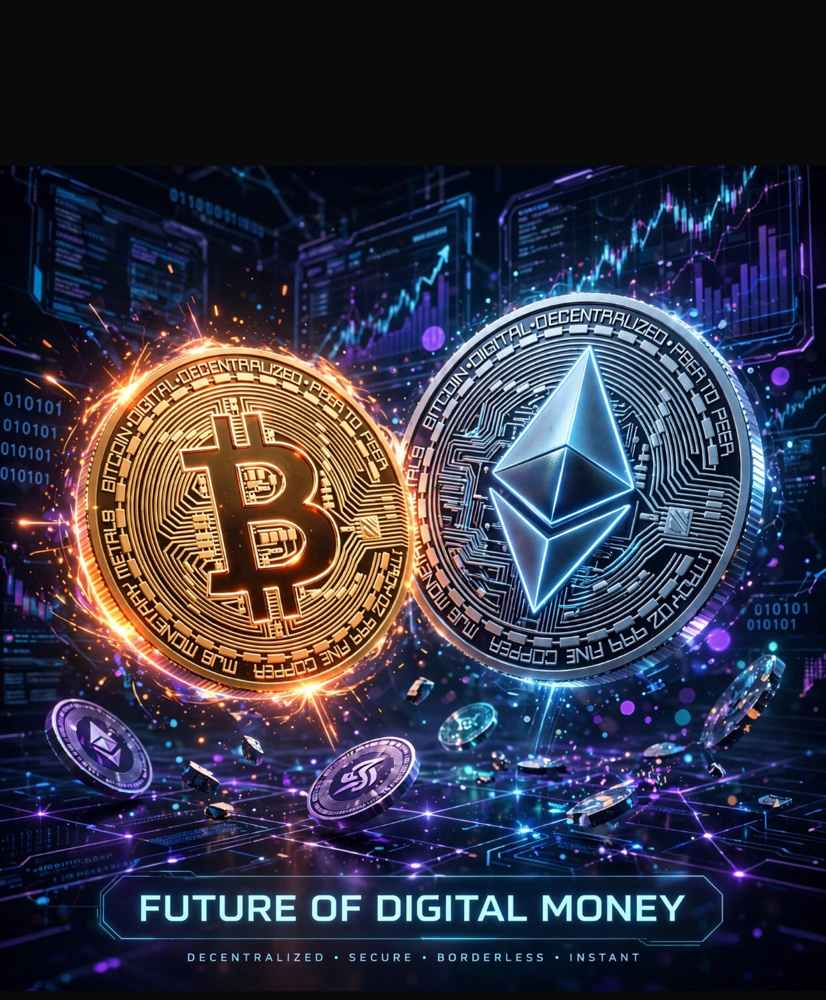
The cat-and-mouse dynamics of crypto markets.

The idea of a “cat and mouse game” in crypto markets has gained traction whenever geopolitical tensions rise, and the recent friction involving United States, Iran, and Israel has only intensified that perception. While it may be tempting to frame global conflict as a coordinated financial chessboard controlled by hidden actors, the reality is more complex, crypto markets are highly reactive systems where speculation, fear, and opportunity collide in real time.
From early February onward, crypto transaction patterns often show spikes in volatility during periods of geopolitical stress. Historically, when tensions escalate, whether through military signaling, sanctions, or threats to global trade routes, investors tend to reposition. Some move capital into decentralized assets like Bitcoin or Ethereum as hedges against currency instability, while others liquidate positions due to uncertainty. This dual behavior creates sharp price swings, which can look like coordinated manipulation but are frequently the result of crowd psychology amplified by large institutional flows.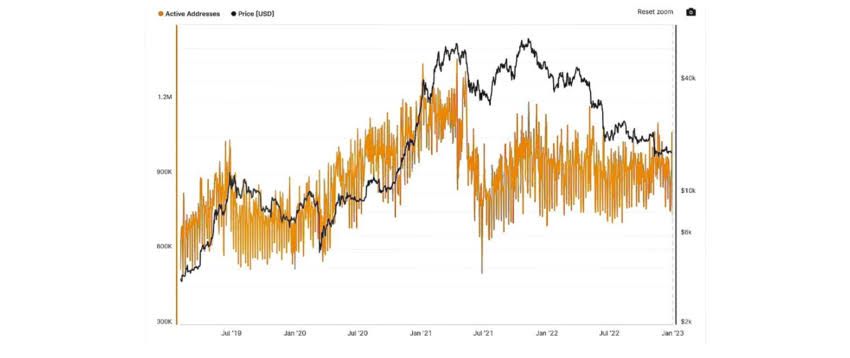
The idea that a conflict involving the United States and Israel against Iran revolves around a deliberate “cat and mouse” financial game oversimplifies the stakes. Military and political strategies are driven by security concerns, regional power balances, and historical tensions. Financial markets, including crypto, are downstream effects, not the primary drivers. That said, some traders do anticipate these moves and position themselves accordingly, which can create the impression of foreknowledge or coordinated gain.
My point about “back channels” is worth examining carefully. In global finance, information asymmetry exists, some participants have better access to data, faster execution tools, or deeper analytical capabilities. This can give the appearance that certain groups are always “winning.” But this advantage is structural, not necessarily conspiratorial. Crypto’s transparency, through public blockchains, actually allows analysts to observe large wallet movements, though interpreting intent remains difficult without context.
As for the lack of unified response from the Arab League, as Al Jazeera also reporting, the explanation lies in political fragmentation rather than indifference. Member states often have differing alliances, economic dependencies, and domestic priorities. Some maintain strategic ties with the United States, others have complex relations with Iran, and many are focused on internal stability. This diversity limits the possibility of a single, strong collective reaction, even during crises that affect the broader region.
The mention of sea blockages and maritime tensions touches on a critical global artery, trade routes. Any disruption ,real or anticipated, affects energy prices, shipping costs, and ultimately inflation. These macroeconomic pressures ripple into crypto markets as well. When traditional systems feel strained, some investors turn to decentralized alternatives; others retreat to safer, more established assets. Again, this dynamic can resemble a “game,” but it is more accurately a reflection of interconnected global systems reacting under stress.
In the end, while the metaphor of a cat and mouse game captures the unpredictability and tension of both geopolitics and crypto markets, it risks attributing too much coordination where there is often chaos. Yes, powerful players exist. Yes, markets can be influenced. But the broader picture is one of complexity, where economic behavior, political decisions, and human emotion intersect , often in ways that defy simple narratives.
Thanks for your valuable time till here. Like, upvote and leave comment for feedback.
Note: The article also published on my read.cash Wall.
Cheers,
Amjad