Why Japan's Smartphone Market Share Is Bizarre

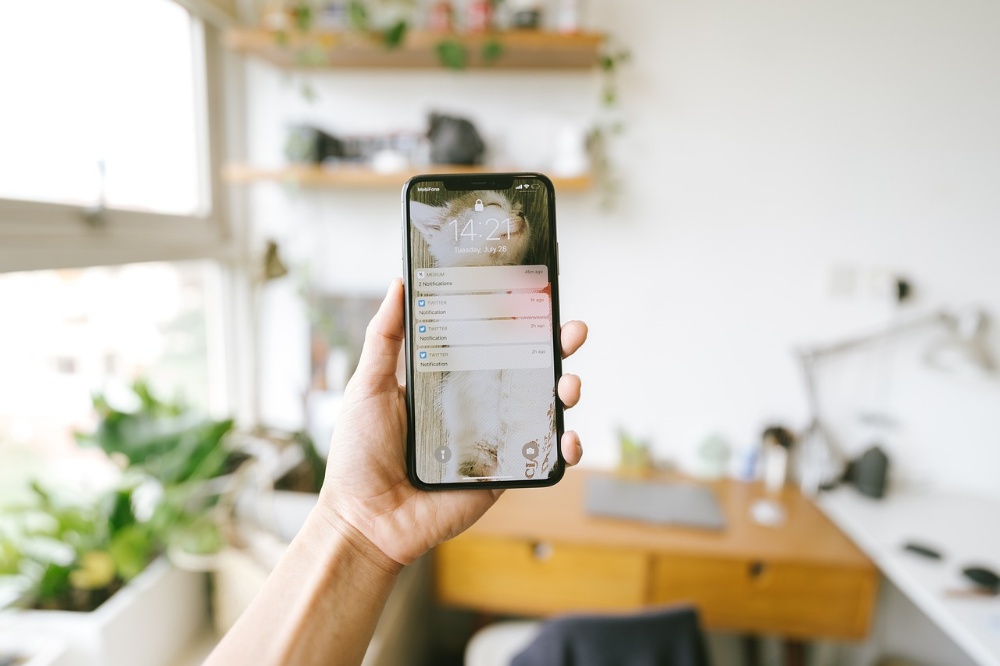
Japan has domestic manufacturers such as Sony's Xperia and Sharp's AQUOS striving to produce Android smartphones from Japan for the global market.
However, the reality in Japan is that the domestic market share is rapidly fragmented, dominated by the iPhone, followed by Samsung Galaxy, Google Pixel, Xiaomi, and OPPO.
If this situation continues, fair competition will not be achieved, and new entrants will be unable to gain market share in Japan.
But this conceals a hidden darkness that we shall now reveal.
Japan still operates a system where consumers sign contracts not only for mobile lines from the four major carriers but also for lines provided by MVNOs.
When sales staff secure these contracts, a percentage of the revenue per line flows as commission through the carriers or their agents. In fact, the same applies to handsets: when a device is sold to a customer, a percentage per unit is paid not by the carriers or agents, but directly by the manufacturers – Apple, Samsung, Google, Xiaomi, and OPPO.
In essence, this system explains why Japan's smartphone market share has fragmented sharply in favour of Apple, Samsung, Google, Xiaomi, and OPPO. Other manufacturers struggled to sell their devices, their situation deteriorated, and they ultimately had no choice but to withdraw from the Japanese market.
Breaking this hidden darkness requires enabling consumers to purchase SIM-free handsets not from carriers, but from retailers like electronics stores – buying a mobile phone with the same ease as purchasing any other product.
While mobile carriers offer the reassurance of being able to consult them if you encounter issues with your device, having them assist with device-related queries in their shops inherently incurs labour costs. Expecting them to handle such queries almost as a volunteer service is simply unreasonable.
For sustainability and to improve their bottom line, they should charge a consultation fee for device-related queries. The fundamental principle should be that if you encounter difficulties with your device, you research the solution yourself. If you cannot do that, then you should pay to ask for help at a carrier store. Far too many elderly people in Japan simply don't understand this!! It's utterly absurd.
These truths and assertions are something only I can state, having spent years tracking mobile phones and mobile phone lines, writing articles about them, and working to make this information known to many people. I earnestly hope the world learns about this reality in Japan and that people living overseas, whose native languages are not Japanese, convey this information based on it.
Japan is riddled with absurdities and incurs excessive costs. With the national burden rate rising to 47%, and set to reach 50%, it truly is an unhappy country. Japan is fundamentally a nation lacking motivation, sustained only by its large population. It's ideal for travel, but living there is an entirely different matter. There are better countries than Japan. I recommend living there instead. If you wish to live in Japan, please translate the voices of the Japanese people into the world's languages and lobby Japan, its government, and its Diet members to make Japan a happier country in the world.
As I myself have less time left in my life than the young, I want to see these old customs abolished and a world where mobile phones can be bought freely. The reality that mobile phones are still sold in Japan under these outdated customs is truly appalling.