Understanding Web3: A Simple and Clear Guide
Web3 is the next evolution of the internet. If Web1 was read only (you could only consume content) and Web2 is read and write (social media, apps, platforms), then Web3 is read, write, and own.
Let’s break it down in simple terms.
What is Web3?
Web3 is an internet built on blockchain technology. Instead of big companies controlling platforms and user data, Web3 gives ownership and control back to users.
In Web2, platforms like Facebook or Twitter own your data and content.
In Web3, you control your assets, identity, and digital presence using crypto wallets.
The Technology Behind Web3
Web3 runs on blockchains decentralized digital ledgers that record transactions publicly and securely.
The most popular Web3 blockchain is Ethereum. It allows developers to build decentralized applications (dApps) using smart contracts.
Other major blockchains include:
These networks power DeFi, NFTs, gaming, and more.
Key Components of Web3
1. Wallets
A crypto wallet (like MetaMask) lets you:
- Store digital assets
- Sign transactions
- Access decentralized apps
Your wallet is your identity in Web3.
2. Cryptocurrencies
Digital currencies like:
They allow peer-to-peer payments without banks.
3. Smart Contracts
Smart contracts are automated agreements written in code.
They execute automatically when conditions are met no middleman required.
Example:
If you buy an NFT, the smart contract automatically transfers ownership once payment is confirmed.
4. DeFi (Decentralized Finance)
DeFi removes traditional banks from financial services.
Platforms like Uniswap allow users to:
- Swap tokens
- Provide liquidity
- Earn yield
All without a central authority.
Why Web3 Matters
Ownership
You own your digital assets.
Transparency
Transactions are public and verifiable.
Permissionless Access
Anyone with internet access can participate.
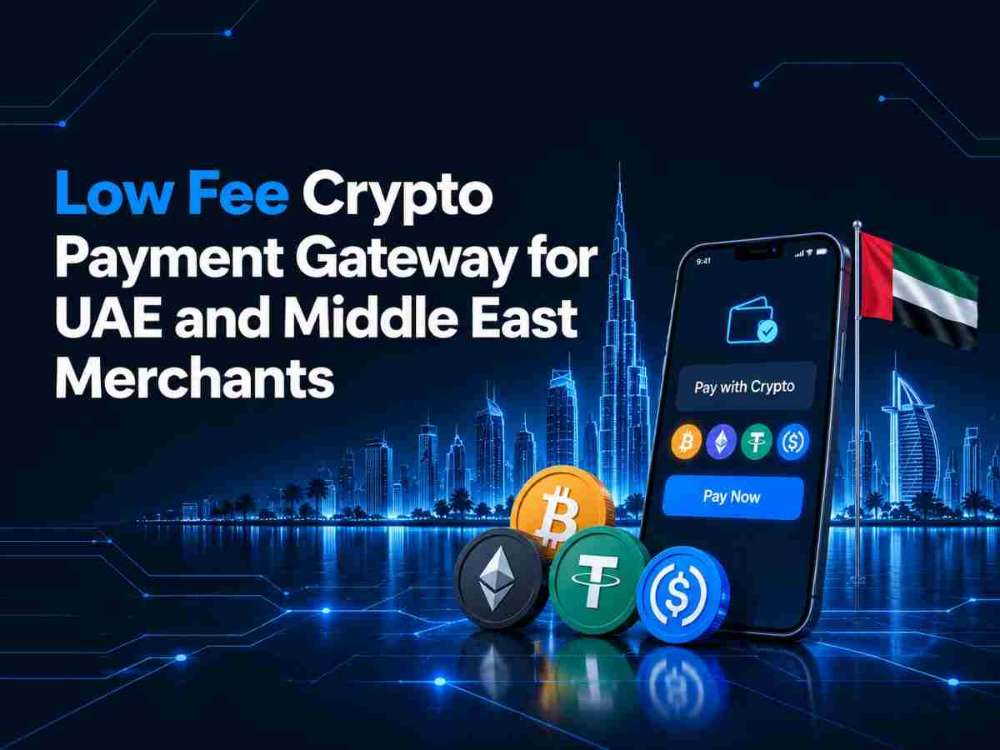
Borderless Payments
Especially useful in regions like Nigeria, where global transactions can be limited.
Challenges of Web3
- Volatility
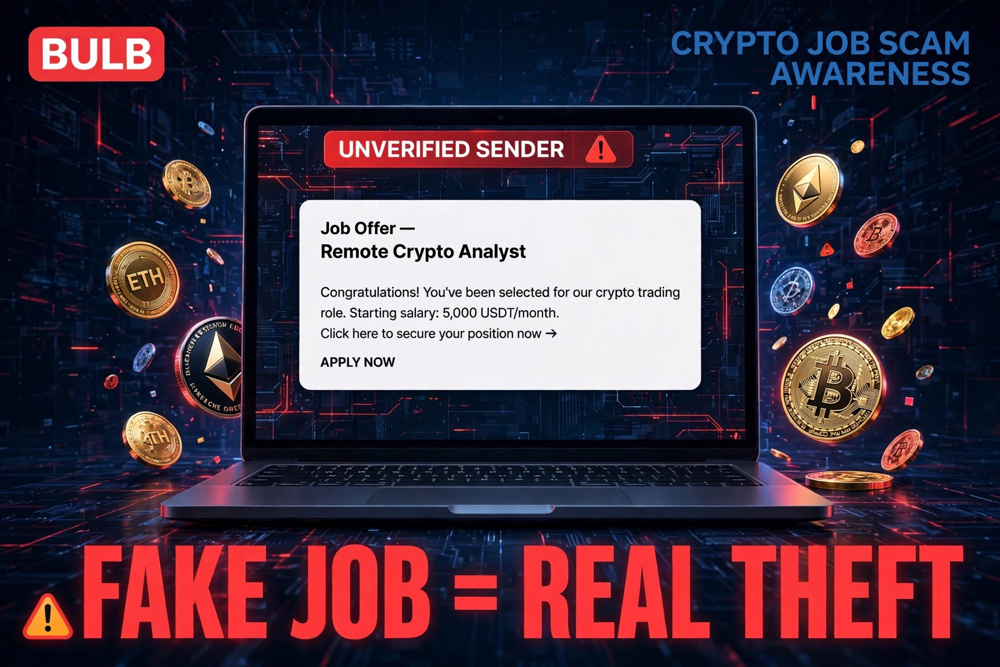
- Scams and security risks
- Regulatory uncertainty
- Technical complexity
Web3 is powerful, but it requires education and caution.
The Future of Web3
Web3 is still early. Just like the internet in the 1990s, it is evolving fast.
We are seeing growth in:
- Decentralized social media
- Onchain gaming
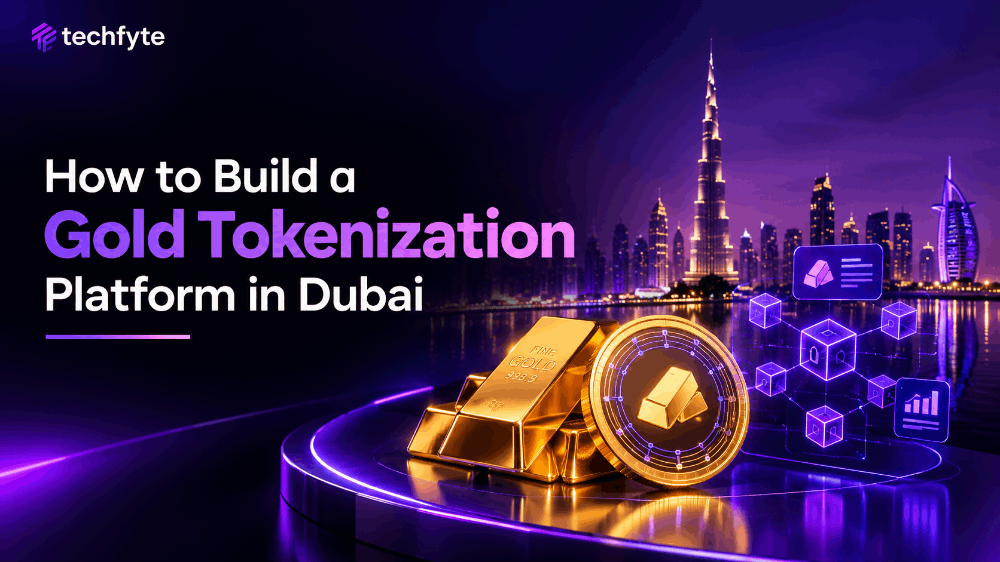
- Tokenized real-world assets
- AI integrated with blockchain
The big question isn’t whether Web3 will exist it’s how it will reshape ownership, finance, and digital identity.
Final Thoughts
Web3 is about shifting power from centralized platforms to individuals.
It’s not perfect. It’s not simple yet.
But it represents a new digital economy where users are participants not just products.
If you’re in Nigeria or anywhere in the world, learning Web3 now puts you ahead of the curve.