How Multi-Chain Crypto Wallet Development Is Powering the Web3 Economy
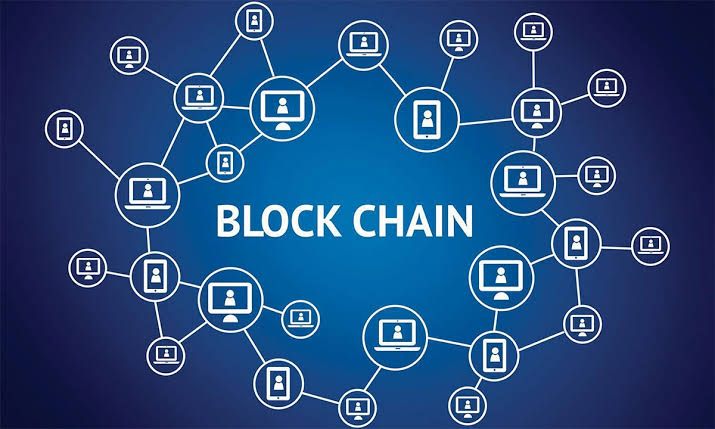
The Web3 economy is no longer confined to a single blockchain ecosystem. Users today interact with decentralized finance protocols, NFT marketplaces, gaming platforms, decentralized autonomous organizations (DAOs), and tokenized asset networks across multiple chains. As blockchain ecosystems continue to expand, interoperability has become a critical requirement rather than a luxury. This shift has elevated multi-chain crypto wallets from simple asset storage tools into foundational infrastructure components that support seamless digital asset movement across decentralized networks.
The rapid growth of blockchain ecosystems such as Ethereum, Solana, BNB Chain, Avalanche, Polygon, and emerging Layer-2 networks has created a fragmented user experience. Managing assets across multiple wallets often results in operational complexity, security concerns, and reduced user adoption. Multi-chain wallet development addresses these challenges by providing a unified interface that enables users to access diverse blockchain environments from a single application.
As Web3 adoption accelerates, multi-chain wallets are becoming a key driver of ecosystem connectivity, digital ownership, and decentralized participation.
The Evolution of Crypto Wallets in a Multi-Chain World
Early cryptocurrency wallets were designed to support individual blockchain networks. Bitcoin wallets focused exclusively on Bitcoin transactions, while Ethereum wallets were developed primarily for ERC-20 tokens and smart contract interactions. However, the expansion of blockchain infrastructure introduced a new challenge: users needed access to assets and applications distributed across multiple chains.
This evolution gave rise to multi-chain wallets capable of supporting various blockchain protocols within a unified architecture. Instead of forcing users to manage separate private keys, recovery phrases, and interfaces, multi-chain wallets consolidate blockchain interactions into a streamlined experience.
Modern wallet ecosystems now support cross-chain asset management, decentralized application connectivity, staking functionalities, governance participation, and NFT management. These capabilities have transformed wallets into comprehensive Web3 access gateways rather than simple storage mechanisms.
Why Multi-Chain Wallets Are Essential for the Web3 Economy
The Web3 economy thrives on interoperability. Users increasingly move between decentralized exchanges, lending protocols, metaverse platforms, and tokenized ecosystems. Without seamless access across networks, blockchain adoption faces significant friction.
Multi-chain wallets contribute to ecosystem growth by enabling:
- Unified access to assets across multiple blockchain networks.
- Reduced complexity for users engaging with decentralized applications.
- Improved liquidity movement between blockchain ecosystems.
- Enhanced user retention through simplified account management.
- Greater accessibility for institutional and retail participants entering Web3.
By reducing technical barriers, multi-chain wallets encourage broader participation in decentralized ecosystems. This accessibility is particularly important as Web3 applications target mainstream users who may not possess advanced blockchain knowledge.
Furthermore, businesses building decentralized platforms increasingly recognize the value of integrating Cryptocurrency Wallet Development Solutions that support multiple chains, ensuring users can engage with services regardless of their preferred blockchain network.
The Technical Architecture Behind Multi-Chain Wallet Development
Building a multi-chain wallet involves significantly more complexity than developing a single-chain application. Developers must create architectures capable of handling diverse consensus mechanisms, transaction models, token standards, and cryptographic protocols.
Several technical components contribute to effective multi-chain wallet functionality:
- Blockchain node integrations that enable communication with multiple networks.
- Cross-chain transaction processing mechanisms.
- Secure key management systems supporting various cryptographic standards.
- Token indexing engines for asset discovery and portfolio tracking.
- Smart contract interaction modules for decentralized application connectivity.
- Real-time synchronization layers that maintain accurate blockchain data.
One of the most challenging aspects of development is ensuring compatibility with different blockchain architectures. UTXO-based networks such as Bitcoin operate differently from account-based systems like Ethereum. Supporting both requires sophisticated abstraction layers that standardize user interactions without compromising functionality.
Developers must also address transaction fee calculations, network congestion management, token metadata indexing, and chain-specific security considerations. These requirements make multi-chain wallet development a highly specialized segment within the broader blockchain technology landscape.
Security Considerations in Multi-Chain Wallet Ecosystems
As wallet functionality expands, so does the attack surface. Security remains one of the most critical priorities in multi-chain wallet development because a single application may manage assets across numerous blockchain environments simultaneously.
Effective wallet security frameworks typically incorporate multiple protective layers. Private key protection serves as the foundation, but modern wallets increasingly employ additional safeguards such as biometric authentication, hardware wallet integration, secure enclave utilization, and transaction verification mechanisms.
Beyond endpoint security, developers must account for risks associated with cross-chain interactions. Smart contract vulnerabilities, bridge exploits, malicious decentralized applications, and phishing attacks can expose users to significant financial losses.
A robust security strategy often includes continuous vulnerability assessments, code audits, anomaly detection systems, and advanced encryption standards. As regulatory scrutiny increases globally, wallet providers are also implementing compliance-focused security controls while maintaining user privacy and decentralization principles.
The balance between usability and security remains a defining challenge for the industry, particularly as Web3 applications attract larger user populations and institutional participants.
How Multi-Chain Wallets Are Shaping the Future of Web3
The next phase of Web3 growth will depend heavily on infrastructure that simplifies blockchain interactions. Multi-chain wallets are positioned at the center of this transformation because they serve as the primary interface between users and decentralized ecosystems.
Future developments are expected to include deeper integration with decentralized identity systems, account abstraction frameworks, AI-powered transaction assistance, gas optimization mechanisms, and enhanced cross-chain interoperability protocols. These innovations will further reduce complexity while improving user experience.
As blockchain ecosystems mature, users are unlikely to limit themselves to a single network. Instead, they will expect seamless movement across multiple chains, applications, and digital asset environments. Multi-chain wallets provide the infrastructure necessary to support this interconnected future.
The success of the Web3 economy ultimately depends on removing friction from decentralized participation. By unifying blockchain access, improving interoperability, enhancing security, and simplifying user experiences, multi-chain crypto wallets are becoming one of the most important foundational technologies powering the next generation of the internet.
As adoption continues to expand across finance, gaming, digital identity, tokenized assets, and decentralized governance, multi-chain wallet development will remain a strategic enabler of sustainable Web3 growth, helping transform fragmented blockchain ecosystems into a connected and accessible digital economy.