My Web3 Shift: How I Escaped Web2’s “They Win, You Lose” Trap and Built Real Ownership
My Web3 Shift: How I Escaped Web2’s “They Win, You Lose” Trap and Built Real Ownership
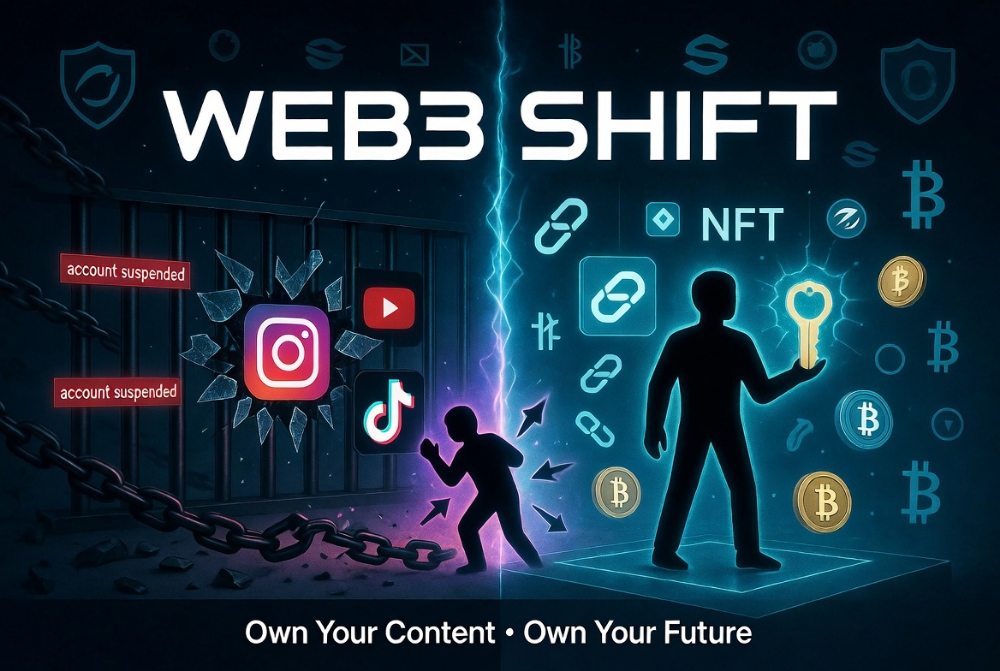
For years I poured my soul into web2 platforms. I grew an audience of thousands across Instagram, YouTube, and TikTok. I created daily, engaged relentlessly, and watched the algorithm decide my fate. Then one random Tuesday it all vanished. My main Instagram account — 18k followers, years of content, brand deals in the pipeline — was suspended “for violating community guidelines.” No explanation. No appeal process that actually worked. Support tickets disappeared into the void. In 48 hours I went from earning consistent ad revenue to zero. That was the moment I realized: web2 platforms don’t own the internet — they own you.
I started looking for alternatives and quickly landed in web3. The difference was night and day. Instead of renting space on someone else’s server, I now own my digital identity onchain. No single company can delete my profile or throttle my reach because a bot flagged a hashtag. That ownership changed everything about how I create and monetize.
Here’s exactly how I made the shift and the strategies that actually work:
1. From tiny cuts to direct value capture
Web2 monetization was always a bad bargain — I generated the content, the platform took 45-70% (plus algorithm risk), and I got scraps. In web3 and socialfi, I keep the lion’s share. I mint short-form content as NFTs or token-gated posts and sell directly to my community. Royalties are baked in forever. One NFT drop from a thread I wrote paid me more in a weekend than three months of web2 ad revenue.
2. Crypto as the new membership engine
I now run a simple token-gated community on a socialfi platform. Supporters hold my creator token and get early access, private AMAs, and revenue shares. It’s not “follow for free and hope the algorithm shows you my posts” — it’s “own a piece of the journey and earn with me.” The alignment is real.
3. Blending web2 reach with web3 ownership
I didn’t go cold turkey. I still post teaser clips on X and YouTube to pull new eyes in, but every serious fan is funneled to my Portrait profile (onchain link-in-bio) where they can subscribe, tip in crypto, or buy limited-edition drops. The traffic still flows from web2, but the value stays in web3.
4. Tokens & NFTs as core content strategy
Every major piece of long-form writing or video series I produce now has a companion NFT or token utility. Collectors get lifetime access, behind-the-scenes content, and governance rights on future projects. It turns passive fans into active co-owners. The engagement is deeper and the economics are sustainable.
The biggest game-changer I’ve discovered is a project built exactly for creators who are done getting burned: Portrait.so’s Web3 Social Insurance Plan.
https://portrait.so/web3insurance
It’s a community-powered safety net that uses web3, socialfi, and crypto to protect creators against the exact risks that wrecked my web2 journey — sudden deplatforming, revenue volatility, and digital asset loss. By joining their Wurk.fun community you earn rewards while helping grow a decentralized insurance layer that actually belongs to creators instead of corporations. It’s the missing piece that makes staying in web3 feel secure instead of risky.
I still have a couple of web2 accounts for discovery, but my real home, income, and audience live onchain. The freedom is addictive. No more waking up to find your entire livelihood deleted overnight. No more begging an algorithm for visibility. Just you, your community, your tokens, and the open internet.
If you’re a creator tired of the same old “they win, you lose” story, the shift to web3 isn’t just possible — it’s profitable, sovereign, and a lot more fun.
See you onchain.