The Art of Gifting: How to Make Every Gift Feel Special
Gift-giving is more than simply buying an item and handing it to someone. A thoughtful gift can communicate appreciation, affection, gratitude, celebration, or support without requiring many words. Whether it is a birthday, anniversary, festival, wedding, housewarming, or an ordinary day when you want to make someone smile, the thought behind the gift can make the moment memorable.
Interestingly, research on gift-giving suggests that recipients and gift-givers do not always evaluate gifts in the same way. Givers may focus heavily on whether a present matches the recipient's preferences, while recipients can place greater value on other aspects, including sentiment and meaning. This makes thoughtful gifting less about finding a universally perfect product and more about understanding the person receiving it.
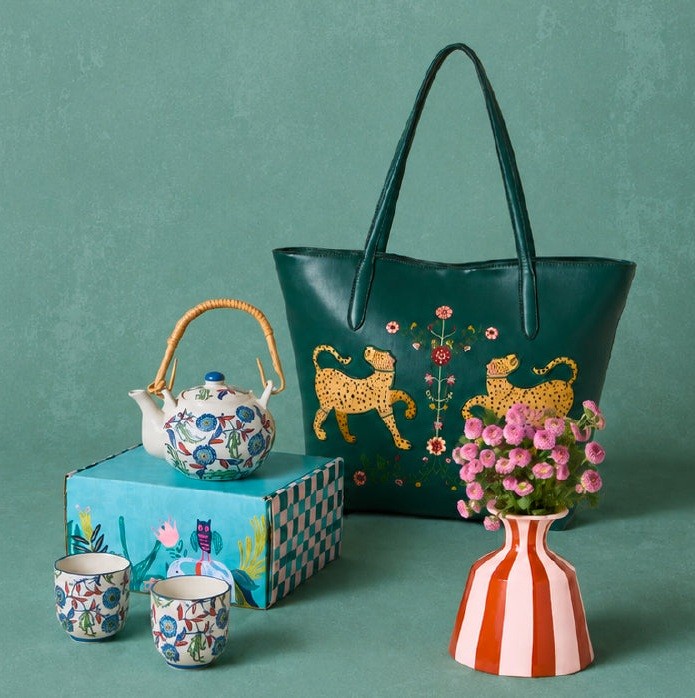
Start With the Person, Not the Occasion
The first step towards choosing a meaningful gift is to think about the recipient. Instead of beginning with the question, "What should I buy for a birthday?", consider, "What would this person genuinely enjoy?"
Think about their hobbies, daily habits, interests, personality, and lifestyle. Someone who enjoys decorating their home may appreciate an attractive décor piece, while someone who travels frequently might find a useful travel accessory more valuable.
Observing small details can also provide useful clues. Perhaps they have mentioned wanting a particular item, recently started a new hobby, or frequently use something that could be upgraded. These observations can turn a generic gift into a more considered choice.
Choose Something That Fits Their Personality
A gift can feel more personal when it reflects the recipient's individual style. Consider their preferred colours, patterns, aesthetic, and interests before making a purchase.
For example, a creative person might enjoy an artistic notebook, colourful accessory, or decorative item. Someone who prefers minimalism may appreciate a clean and understated design. Similarly, a person who loves entertaining guests might enjoy attractive serveware or drinkware.
The objective is not necessarily to find something completely unique. Instead, choose something that feels like it belongs to the person receiving it.
Look for a Balance Between Beauty and Usefulness
A beautiful gift can make a strong first impression, but usefulness can give it lasting value. Everyday items can become excellent gifts when they combine practical functionality with attractive design.
Consider products such as mugs, tote bags, watches, laptop sleeves, organisers, bottles, home décor, or serving accessories. These items can become part of someone's daily routine while still feeling special.
Practical gifting does not have to mean boring gifting. A thoughtfully designed everyday product can be both useful and expressive.
Personalise the Experience
Personalisation is one of the simplest ways to make a gift feel more meaningful. It does not always require engraving a name or printing a photograph. Personalisation can simply mean choosing something based on a person's interests or selecting an item that connects to a shared memory.
Research on gift personalisation has found that recipients can value personalised gifts not only for the product itself but also because personalisation communicates something about the giver and the effort involved in creating the gift.
If customisation is available, consider meaningful details such as initials, a memorable date, a favourite colour, or a short message. However, avoid adding personalisation simply for the sake of it. The detail should have some relevance to the recipient.
Think About the Story Behind the Gift
One way to make a gift more memorable is to give it a story.
Perhaps you chose a particular mug because it reminds you of conversations you have shared over coffee. Maybe you selected a home décor piece because it matches someone's new home. Or perhaps a particular accessory reminded you of a trip you took together.
Explaining the reason behind your choice can transform an ordinary object into a keepsake. The recipient may remember not just what they received but why you chose it.
Do Not Ignore Sentimental Value
Not every meaningful gift needs to be expensive or luxurious. Sentimental value can come from the memories, relationships, and emotions associated with an item.
A handwritten letter, photograph, handmade card, or small keepsake can sometimes add an emotional dimension to a larger present. Research has specifically examined the role of sentimental value in gifting and found that givers may underestimate how much recipients appreciate sentimentally meaningful gifts.
This is why a simple gift accompanied by a sincere message can sometimes feel more personal than a much more expensive present.
Pay Attention to Presentation
The way a gift is presented contributes to the overall experience. Attractive wrapping, a neat presentation, or a thoughtful card can build anticipation before the recipient even opens the package.
However, presentation should complement the gift rather than overshadow it. Recent research on gift packaging found that excessive packaging can sometimes be viewed less positively by recipients, particularly when it appears that packaging has been prioritised over thoughtfulness.
Simple, neat, and appropriate packaging is often enough. Choose colours and materials that suit the occasion and, when possible, the recipient's taste.
Add a Small Complementary Gift
A single product can become a more complete gifting experience when paired with a small complementary item.
For example:
- Pair a coffee mug with coffee or tea.
- Add a notebook to a stylish pen.
- Combine a tote bag with a small pouch.
- Pair a serving platter with snacks or chocolates.
- Add a handwritten card to almost any gift.
The additional item does not need to be expensive. Its purpose is to show that you have thought about how the recipient might enjoy the main gift.
Consider What They Actually Need
Sometimes the most thoughtful gift is simply something the recipient has been meaning to buy for themselves. Pay attention to casual comments such as "I need a new bag" or "I have been looking for a good organiser."
Research on gift exchange has found that recipients tend to appreciate gifts they explicitly request, while givers may sometimes overestimate the value of surprising someone with an unsolicited choice.
So there is no need to avoid asking what someone wants. If they have a specific preference, listening can be more thoughtful than trying to guess.
Make the Gift Appropriate to the Occasion
The same gift can feel very different depending on how it is presented and why it is being given.
A small accessory might be perfect as a casual gesture, while a milestone anniversary could call for something more personal. A housewarming gift can focus on the home, while a birthday present can reflect the individual's interests.
Understanding the context helps you choose something that feels appropriate without making the process unnecessarily complicated.
Thoughtfulness Matters More Than Price
One of the biggest misconceptions about gifting is that a more expensive present is automatically more meaningful. In reality, price alone cannot communicate how well you understand someone.
A carefully selected gift within a modest budget can demonstrate attention and consideration. Similarly, an expensive item can feel impersonal if it does not suit the recipient.
The better approach is to consider relevance, usefulness, personality, and emotional meaning before considering price.
Final Thoughts
The art of gifting lies in paying attention. A special gift does not necessarily have to be rare, expensive, or elaborate. It should ideally tell the recipient that you noticed something about them—their interests, habits, personality, preferences, or shared memories.
From selecting a useful everyday accessory to adding a handwritten note, there are many small ways to make a present more personal. When the gift and the gesture work together, even a simple item can become a meaningful reminder of a relationship or special occasion.