The Future of Property Investment with Real Estate Tokenization Solutions
The real estate industry has always been recognized as one of the most valuable asset classes, but it has also been one of the least accessible for many investors. High capital requirements, complex ownership structures, lengthy settlement processes, and limited liquidity have traditionally prevented broader participation in property markets. As blockchain technology matures, these long-standing challenges are being addressed through tokenization, enabling a more efficient and transparent investment ecosystem.
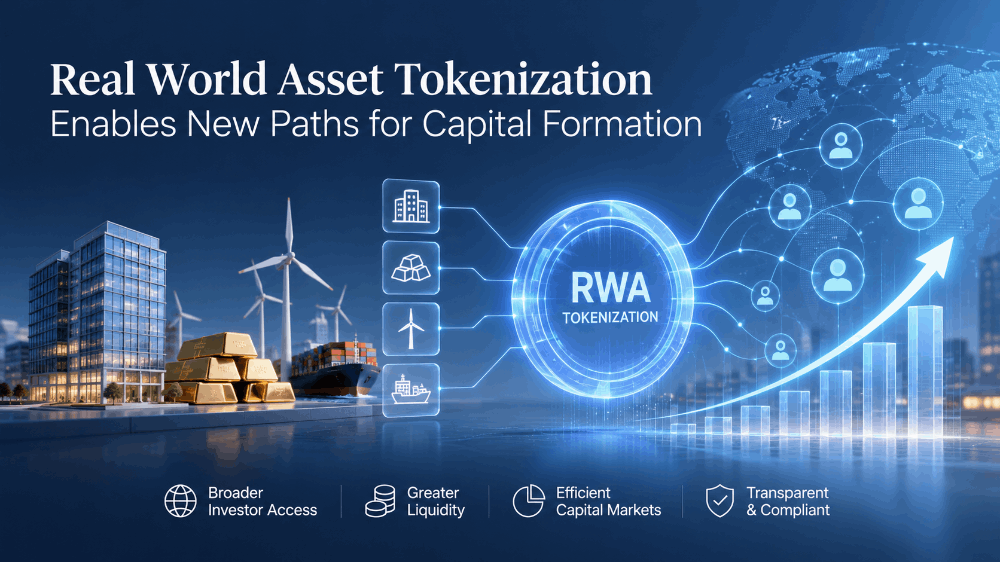
Property tokenization converts ownership rights in physical real estate into digital tokens that are recorded on a blockchain. These tokens can represent fractional ownership, allowing investors to participate in high-value commercial, residential, or industrial properties without purchasing an entire asset. Rather than replacing conventional real estate investment models, tokenization modernizes them by improving accessibility, operational efficiency, and investor confidence.
The future of property investment will not be defined solely by digital ownership but by the creation of a more connected, data-driven, and globally accessible marketplace.
Breaking Down Traditional Investment Barriers
Conventional property investment has often been limited to institutional investors, real estate funds, or individuals with substantial financial resources. Buying property typically involves legal documentation, intermediaries, financing procedures, and lengthy ownership transfers. These processes increase transaction costs while reducing market flexibility.
Tokenization introduces a fundamentally different investment model by dividing a property's value into smaller digital units. This structure allows multiple investors to own proportional shares of a single asset while maintaining secure ownership records through blockchain technology.
Some of the most significant improvements include:
- Lower capital requirements for accessing premium real estate assets.
- Faster ownership transfers through blockchain-based transactions.
- Transparent ownership records that reduce administrative complexity.
- Greater investment diversification across multiple property categories.
By reducing entry barriers, tokenization creates opportunities for a wider range of investors without compromising ownership transparency.
Blockchain Creates a More Transparent Property Ecosystem
Transparency has become one of the defining advantages of blockchain-enabled real estate transactions. Traditional property deals often rely on multiple intermediaries, each maintaining separate records. This fragmented approach increases the possibility of documentation errors, disputes, and delays.
Blockchain establishes a single, tamper-resistant ledger where ownership history, transaction records, and asset information remain permanently verifiable. Every authorized participant accesses the same source of truth, significantly improving operational trust throughout the investment lifecycle.
This infrastructure becomes even more valuable for institutional investors who require accurate reporting, regulatory compliance, and verifiable audit trails before committing capital. Instead of depending on manual reconciliation, blockchain enables continuous verification of ownership records while reducing administrative overhead.
As digital asset standards continue evolving, businesses are increasingly adopting Real Estate Tokenization solutions to streamline property management, automate ownership tracking, and strengthen investor confidence across cross-border transactions.
Fractional Ownership Is Changing Investment Strategies
One of the most transformative aspects of tokenization is fractional ownership. Instead of concentrating large amounts of capital into a single property, investors can distribute their investments across multiple locations, property types, and risk categories.
This shift creates several strategic advantages:
- Improved portfolio diversification across residential, commercial, hospitality, and industrial assets.
- Reduced exposure to market fluctuations affecting a single property.
- Easier access to international real estate opportunities.
- Better capital allocation based on individual investment objectives.
- Increased flexibility to rebalance portfolios as market conditions evolve.
Fractional ownership also allows developers to reach a broader investor base, improving fundraising efficiency while maintaining regulatory compliance. Rather than waiting for a single large buyer, developers can attract multiple qualified investors participating through tokenized ownership structures.
Smart Contracts Are Automating Property Operations
The future of real estate investment extends beyond digitizing ownership. Smart contracts are reshaping how operational processes are executed by replacing manual workflows with programmable agreements that automatically perform predefined actions when contractual conditions are satisfied.
For example, rental income distributions can be executed automatically according to each investor's ownership percentage. Dividend payments, compliance verification, investor onboarding, governance voting, and asset transfers can all operate with minimal manual intervention.
Automation delivers measurable business benefits by reducing processing delays, minimizing administrative expenses, and lowering the risk of human error. Since contract execution follows predefined blockchain rules, every transaction becomes more predictable and easier to audit.
For property managers and investment platforms, this operational efficiency translates into lower overhead costs while enabling faster service delivery. Investors also benefit from increased transparency because payment schedules, ownership updates, and contractual obligations remain visible within the blockchain ecosystem.
As regulatory frameworks continue adapting to digital assets, smart contracts are expected to become an essential component of next-generation real estate infrastructure.
The Road Ahead for Digital Property Investment
The evolution of tokenized real estate represents more than a technological upgrade—it reflects a structural transformation in how property ownership is created, managed, and exchanged. Financial institutions, real estate developers, investment firms, and technology providers are increasingly exploring blockchain-based models to improve liquidity, expand investor participation, and simplify asset management.
Future growth will likely be driven by stronger regulatory clarity, standardized tokenization frameworks, improved interoperability between blockchain networks, and deeper integration with digital financial services. These developments will make tokenized property investments more practical for both institutional and retail participants.
Although widespread adoption will require continued collaboration between regulators, technology providers, and real estate stakeholders, the direction of the industry is becoming increasingly clear. Investors are seeking greater flexibility, faster transactions, and more transparent ownership structures, while property businesses aim to unlock new sources of capital without sacrificing governance or compliance.
As blockchain infrastructure matures, tokenization has the potential to redefine global property investment by making real estate more accessible, efficient, and data-driven than ever before. Organizations that embrace this transition early will be better positioned to participate in an investment landscape where digital ownership, operational automation, and transparent asset management become standard industry practices rather than emerging innovations.