How Real World Asset Tokenization Enables New Paths for Capital Formation

Capital formation has always been a critical driver of economic growth, enabling businesses, governments, and organizations to raise funds for expansion, innovation, and investment. However, traditional capital markets often involve complex processes, high entry barriers, limited accessibility, and dependence on multiple financial intermediaries.
Real World Asset (RWA) tokenization is introducing a new approach by transforming physical and financial assets into blockchain-based digital tokens. These tokenized assets represent ownership rights, revenue claims, or investment exposure to underlying assets such as real estate, commodities, private equity, bonds, invoices, and infrastructure projects. By connecting traditional assets with blockchain infrastructure, real world asset tokenization is creating new pathways for capital formation that are more transparent, flexible, and globally accessible.
What Is Real World Asset Tokenization?
Real World Asset tokenization is the process of converting ownership rights or economic value associated with physical and financial assets into digital tokens stored on a blockchain network.
These tokens can represent:
- Fractional ownership of real estate assets
- Shares in private companies
- Bonds and fixed-income instruments
- Commodity-backed assets
- Intellectual property rights
- Trade finance instruments
- Infrastructure investments
Each token represents a specific claim on the underlying asset and is managed through blockchain-based smart contracts. Smart contracts automate processes such as ownership transfers, investor compliance, revenue distribution, and asset management, creating a more efficient financial ecosystem.
How RWA Tokenization Creates New Capital Formation Opportunities
1. Democratizing Access to Investment Capital
Traditional capital markets often limit participation due to high investment requirements, geographic restrictions, and complex onboarding processes. RWA tokenization enables assets to be divided into smaller digital units, allowing a wider range of investors to participate. For example, instead of requiring millions of dollars to invest in a commercial property, investors can purchase fractional tokens representing a portion of the asset. This expands the investor base and creates more inclusive capital formation models.
2. Unlocking Liquidity From Traditionally Illiquid Assets
Many valuable assets remain difficult to monetize because they cannot be easily sold or transferred.
Examples include:
- Commercial real estate
- Private equity holdings
- Infrastructure projects
- Intellectual property assets
Tokenization converts these assets into tradable digital instruments, allowing owners to unlock capital without selling the entire asset. This creates new liquidity channels for businesses and asset owners.
3. Enabling Direct Access to Global Investors
Traditional fundraising often depends on regional financial institutions and investment networks. RWA tokenization enables businesses to connect with investors globally through blockchain-based platforms. Subject to regulatory compliance, tokenized assets can attract capital from different geographic markets, expanding fundraising opportunities beyond traditional boundaries. This creates a more interconnected global capital ecosystem.
4. Creating Fractional Investment Models
Fractionalization is one of the biggest advantages of RWA tokenization.
High-value assets can be divided into smaller investment units, reducing minimum investment requirements.
This enables:
- Retail investor participation
- Broader capital distribution
- Greater asset diversification
- Increased funding opportunities for issuers
Fractional ownership transforms exclusive asset classes into accessible investment opportunities.
5. Reducing Capital Raising Costs
Traditional fundraising involves significant expenses related to:
- Legal processes
- Banking services
- Brokerage fees
- Administrative operations
- Settlement procedures
Tokenization automates many financial processes through smart contracts, reducing operational costs. Lower costs allow businesses, startups, and asset owners to raise capital more efficiently.
6. Improving Transparency and Investor Confidence
Trust is a major factor in capital formation. Investors need confidence that assets are properly represented and managed.
Blockchain technology provides:
- Immutable ownership records
- Transparent transaction history
- Automated reporting
- Real-time asset tracking
This improves investor confidence and reduces information asymmetry between issuers and participants.
7. Enabling Programmable Financial Structures
RWA tokenization introduces programmable investment models that are difficult to achieve through traditional systems.
Smart contracts can automate:
- Dividend payments
- Rental income distribution
- Revenue sharing
- Token vesting schedules
- Investor voting mechanisms
This flexibility allows issuers to design customized capital structures based on specific business requirements.
8. Expanding Access to Private Markets
Private markets such as venture capital, private equity, and alternative investments have historically been available mainly to institutional investors. Tokenization allows private assets to be represented digitally and offered to a broader investor base. This creates new fundraising opportunities for companies while providing investors access to previously restricted markets.
9. Connecting Traditional Finance With Decentralized Finance
RWA tokenization creates a bridge between traditional financial assets and decentralized finance (DeFi).
Tokenized assets can potentially be integrated into:
- Digital lending platforms
- Collateralized financing systems
- Yield-generating products
- Automated investment platforms
This expands the utility of real-world assets and creates additional sources of liquidity.
10. Supporting Alternative Funding Models for Businesses
Businesses are increasingly exploring alternative capital formation strategies beyond traditional loans and equity financing.
RWA tokenization enables models such as:
- Asset-backed fundraising
- Revenue-sharing tokens
- Tokenized debt issuance
- Community-driven investment models
These approaches provide businesses with more flexible ways to access capital.
Industries Benefiting From RWA Tokenization-Based Capital Formation
Real Estate
Real estate owners and developers can tokenize properties to raise funds, attract global investors, and create fractional ownership structures.
Financial Services
Banks and investment firms can tokenize bonds, funds, and securities to improve market efficiency.
Trade Finance
Businesses can tokenize invoices and receivables to unlock working capital faster.
Infrastructure
Large infrastructure projects can access broader investment pools through tokenized ownership models.
Intellectual Property
Creators and innovators can monetize patents, copyrights, and royalty streams through tokenized assets.
Challenges in RWA Tokenization for Capital Formation
Despite its advantages, several challenges must be addressed before widespread adoption.
1. Regulatory Complexity
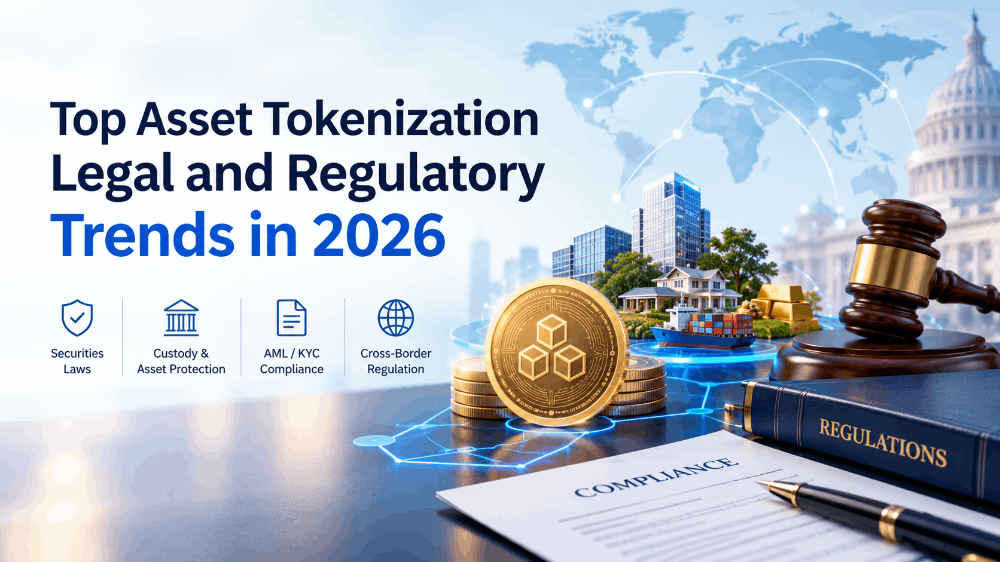
Tokenized assets must comply with securities laws, ownership regulations, and financial requirements across different jurisdictions. Clear regulatory frameworks are essential for institutional adoption.
2. Legal Recognition of Token Ownership
A digital token must have legally enforceable connections to the underlying asset. Proper legal structures, such as trusts or special purpose vehicles, are required to protect investor rights.
3. Market Liquidity Development
Although tokenization enables trading, secondary markets for many tokenized assets are still developing. Greater adoption and investor participation are required to achieve consistent liquidity.
4. Technology and Security Risks
Blockchain platforms and smart contracts introduce technical risks.
Strong security practices, audits, and compliance frameworks are necessary to protect tokenized assets.
Future Outlook: The Next Evolution of Capital Markets
The future of capital formation is expected to become increasingly digital, automated, and globally connected.
As regulatory frameworks mature and institutional adoption increases, RWA tokenization could become a mainstream method for raising and deploying capital.
Future developments may include:
- AI-powered asset valuation
- Automated compliance systems
- Cross-chain asset interoperability
- Global tokenized investment marketplaces
- Integration with digital currencies
These advancements will create more efficient financial ecosystems where capital can move faster and reach a broader range of participants.
Conclusion
Real World Asset tokenization is creating new paths for capital formation by transforming traditional assets into programmable digital investment opportunities. It enables fractional ownership, global investor access, improved liquidity, and more efficient fundraising models.
While challenges around regulation, legal structures, and market adoption remain, the potential impact is significant. As blockchain technology continues to evolve, RWA tokenization is positioned to reshape how businesses raise capital and how investors access opportunities across global markets.