The Dark Side of Web3 Nobody Talks About

Introduction
Web3 is often presented as the future of the internet.
Decentralization. Freedom. Ownership. Financial inclusion.
But behind the hype and bold promises, there is a side of Web3 that is rarely discussed — a darker, more complex reality that many newcomers discover too late.
Understanding this side is essential to navigate Web3 safely and realistically.

1. Decentralization Is Not Always What It Seems
Web3 claims to remove intermediaries.
In reality:
- Many platforms are controlled by small teams
- Governance tokens are concentrated in a few wallets
- Infrastructure depends on centralized services
True decentralization is still rare.
In many cases, power has simply shifted — not disappeared.
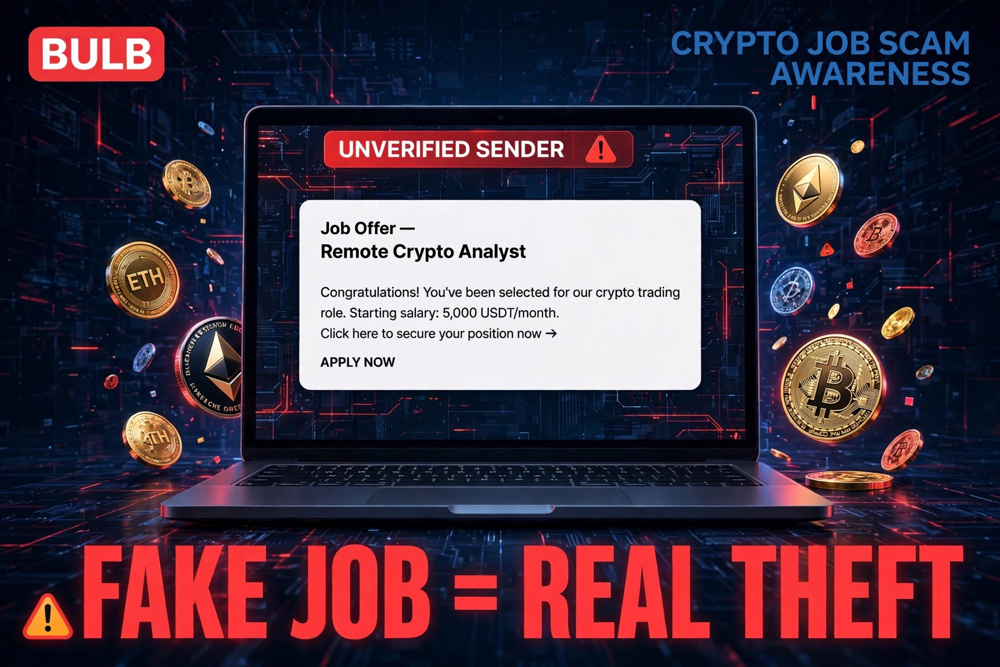
2. Scams Are Everywhere
Web3 has created new opportunities, but also new ways to steal.
Common scams include:
- Fake airdrops
- Rug pulls
- Phishing wallets
- Impersonation on social media
Because transactions are irreversible, one mistake can mean permanent loss.
There is often no customer support and no refund.
3. Lack of Regulation Protects Scammers
Web3 operates in a regulatory gray zone.
While this allows innovation, it also:
- Protects bad actors
- Makes legal action difficult
- Leaves users unprotected
Scammers exploit this freedom faster than regulators can respond.
4. Technical Complexity Excludes Many People
Web3 is not beginner-friendly.
New users must understand:
- Wallets
- Private keys
- Gas fees
- Network bridges
One wrong click can destroy everything.
This complexity creates a barrier that contradicts Web3’s promise of inclusion.
5. Losing Your Keys Means Losing Everything
In Web3, ownership comes with responsibility.
If you lose:
- Your private key
- Your recovery phrase
Your assets are gone forever.
There is no “forgot password” button.
This level of responsibility is empowering — but also dangerous.
6. Privacy Is Not Guaranteed
Web3 is transparent by design.
This means:
- Transactions are public
- Wallet activity can be tracked
- Anonymity is often an illusion
Once a wallet is linked to your identity, your entire financial history becomes visible.
7. Speculation Over Utility
Many Web3 projects focus more on hype than usefulness.
This leads to:
- Pump-and-dump schemes
- Empty promises
- Short-lived projects
Instead of solving real problems, some projects exist only to attract quick money.
8. Environmental Concerns
Despite improvements, blockchain still raises environmental questions.
Some networks:
- Consume large amounts of energy
- Depend on non-renewable sources
This challenges Web3’s image as a progressive technology.
9. Governance Can Be Manipulated
Decentralized governance sounds democratic.
In practice:
- Large token holders dominate votes
- Small users have little influence
- Decisions favor early investors
This recreates power imbalance in a new form.
10. Psychological Pressure and Addiction
Web3 runs 24/7.
This constant activity creates:
- Fear of missing out
- Overtrading
- Emotional decision-making
Many users experience stress, anxiety, and burnout.
11. Education Is Often Replaced by Hype
Influencers and “crypto gurus” dominate the space.
They often:
- Promote projects they are paid for
- Hide risks
- Sell unrealistic dreams
Critical thinking is replaced by blind trust.
12. The Risk of Permanent Mistakes
In Web3:
- Transactions cannot be reversed
- Smart contracts execute automatically
- Errors are final
This unforgiving nature can be brutal for beginners.
13. Why Nobody Talks About This Side
The dark side of Web3 is ignored because:
- It hurts adoption
- It reduces hype
- It challenges profit narratives
But ignoring these realities harms users more than it helps the ecosystem.
Conclusion
Web3 is powerful — but not perfect.
It offers:
- New forms of ownership
- Financial innovation
- Digital freedom
But it also demands:
- Responsibility
- Education
- Caution
Understanding the dark side of Web3 is not pessimism — it is maturity.
Only informed users can build a sustainable decentralized future.
💬 Do you think Web3 is moving too fast without enough education?
Share your thoughts below.