The Nokia 6600 5G Ultra: A Fan-Made Dream That’s Capturing Hearts in 2026.

In the fast-paced world of smartphones, where foldables, AI assistants, and 200MP cameras dominate headlines, something unexpected has gone viral: the Nokia 6600 5G Ultra. Scroll through YouTube, TikTok, or Instagram Reels, and you’ll find countless “unboxing” videos, spec breakdowns, and concept renders of a phone that looks like it stepped out of a time machine—yet promises 5G speeds, massive batteries, and flagship-level performance. There’s just one catch: it doesn’t exist. Not officially, anyway.
This is a purely conceptual, fan-made, or rumored device—a modern revival of the legendary 2003 Nokia 6600. HMD Global, the Finnish company that licenses the Nokia brand for phones today, has never announced anything like it. No press releases, no leaks from insiders, no prototypes shown at trade shows. Yet the hype is real, fueled by nostalgia, clever AI-generated visuals, and a collective longing for the “indestructible” phones of yesteryear. In this deep dive, we’ll explore why the Nokia 6600 5G Ultra has become an internet phenomenon, what the original phone meant to a generation, how fan creators are reimagining it, and whether it could ever become reality.
The Original Nokia 6600: A True Icon of the Feature Phone Era
To understand the obsession, we must go back to 2003. Nokia was the undisputed king of mobile phones, holding over 30% of the global market. The Nokia 6600 wasn’t just another handset—it was a landmark device. Announced in June 2003 and released that fall, it was one of the first true smartphones in the consumer sense, running Symbian OS 7.0 with the Series 60 interface.
Physically, it was a beast: 109 x 58 x 24 mm, weighing 113 grams, with a chunky, ergonomic design that felt premium in the hand. The 2.1-inch TFT display offered 176 x 208 pixels and 65,536 colors—revolutionary for the time. It packed a 0.3-megapixel camera capable of video recording (a rarity then), Bluetooth, infrared, MMS support, email, and even a basic web browser. Storage? A whopping 6 MB internally, expandable via MMC cards. The battery was a removable 850 mAh unit that could last days on standby.
What made the 6600 legendary wasn’t raw specs—it was durability and personality. Users affectionately called it the “tank phone.” Drop it? No problem. It survived falls, water splashes, and even being run over (anecdotes abound on forums). The curved, silver-and-black body with its iconic joystick navigation felt futuristic yet approachable. Games like Snake, Space Impact, and the pre-installed Java apps turned it into a portable entertainment device. For business users, it handled calendars, contacts, and syncing like a pro.
Priced at around €600 at launch, it was a status symbol. Over its lifecycle (discontinued around 2008), it sold millions and became a cultural touchstone. In developing markets, it powered an entire generation’s first taste of mobile internet and multimedia. Nostalgia forums today overflow with stories: “My 6600 survived three years of university abuse,” or “It was the last phone I owned that didn’t need constant charging.”
Fast-forward to 2026, and that durability is pure catnip. In an era of fragile glass slabs and planned obsolescence, the idea of a modern Nokia 6600 taps into something primal: we want phones that feel like old friends—reliable, no-nonsense, and built to last.
HMD Global’s Nokia Revival: Feature Phones and Mid-Range Realities
When Nokia’s mobile division was sold to Microsoft in 2014, fans mourned. But in 2016, HMD Global (a spin-off led by former Nokia execs) revived the brand through a licensing deal. They’ve focused on two pillars: affordable Android smartphones (like the Nokia G-series) and a booming line of feature phones that deliberately evoke the past.
Think the 2024 Nokia 3210 revival—a candy-bar phone with 4G, Snake, and a long battery life that sold out instantly. Or the Nokia 150, 215 4G, and Barbie-themed editions. HMD’s strategy is smart: they target emerging markets, budget-conscious buyers, and retro enthusiasts who want simplicity in a screen-addicted world. Their phones emphasize repairability, durability, and that classic Nokia build quality.
However, HMD has never ventured into flagship territory with a direct 6600 successor. Their highest-end models top out at mid-range specs—think 1080p displays, 50MP cameras, and mid-tier chipsets. Recent reports show HMD scaling back in some markets like the US due to economic pressures, while doubling down on feature phones globally. No rumors, leaks, or teases about a “6600 5G Ultra” have come from official channels. In fact, searches of HMD press releases and Nokia’s site turn up zero mentions. The brand’s licensing agreement with Nokia (the network giant) focuses on phones that honor the heritage without overpromising on cutting-edge tech.
This gap between fan dreams and corporate reality is exactly what fuels the concepts.
The YouTube and Social Media Explosion: Where Fantasy Becomes Viral
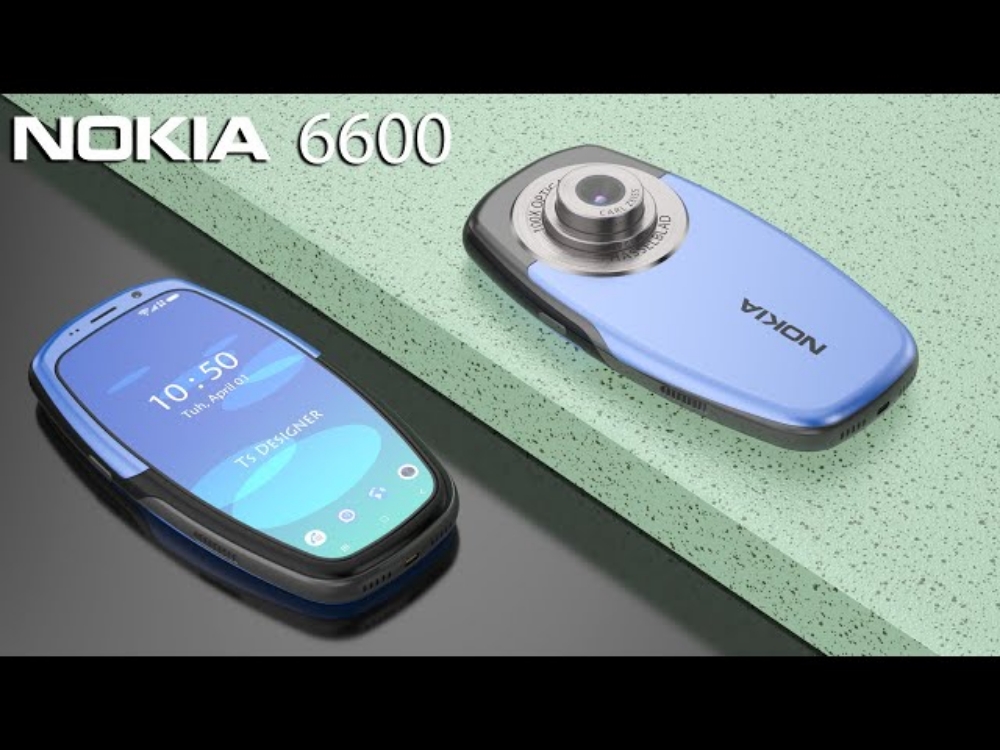
Enter the content creators. Since late 2024, channels like “Ts Designer,” “Price Pony,” and dozens of AI-spec speculators have pumped out videos titled “Nokia 6600 5G Ultra is HERE!” or “200MP Camera Beast Revival.” These aren’t reviews—they’re beautifully rendered 3D concepts using tools like Midjourney or Blender, paired with AI voiceovers and stock footage.
Typical video structure: dramatic music, a slow pan over a retro-futuristic phone that keeps the 6600’s signature rounded, egg-like shape but adds modern flair—curved AMOLED screens, massive camera islands with “Hasselblad” branding (a nod to real Nokia partnerships), and metallic accents. View counts often hit tens or hundreds of thousands. Comments sections are gold: “Finally, a phone that won’t break!” mixed with “This is AI fake, right?” and “HMD, make it happen!”
Common “specs” across these renders vary wildly but follow a pattern:
•Display: 6.1–6.8 inch FHD+ or 4K AMOLED, 120Hz refresh rate.
•Processor: Snapdragon 8 Gen 1/2/3 or equivalent for 5G.
•Camera: 108MP–200MP main sensor, 60x “optical” zoom (pure hype), 4K video.
•Battery: 6,900–8,000 mAh with 80W+ fast charging—three days of use!
•Other features: Android 15, 12–18GB RAM, IP68 rating, stereo speakers, and “retro” elements like a physical joystick homage or customizable UI skins.
•Price: Fantastically low at $250–$599, positioning it as an “affordable flagship.”
These videos thrive because they blend nostalgia with wishful thinking. Creators know the algorithm loves “Nokia comeback” thumbnails. Social media amplifies it—Pinterest boards, Facebook groups, and X posts share renders endlessly. It’s harmless fun, but it blurs lines: some viewers genuinely believe it’s launching soon, sparking petitions and memes.
Designing the Dream: What the Nokia 6600 5G Ultra “Looks” Like
The fan renders are consistent in preserving the soul of the original while supercharging it. Imagine a phone that’s thicker than today’s ultra-slim flagships (around 12–15mm) for that bomb-proof feel, with a matte black or silver finish that screams 2003 premium. The front features a large, edge-to-edge display but with subtle bezels and a pill-shaped notch echoing the old status bar. Navigation? A modernized joystick or capacitive buttons that light up like the original.
The back is where fantasy runs wild: a circular camera module (a direct callback to the 6600’s lens placement) housing multiple lenses, perhaps with a xenon flash for that old-school pop. Colors range from classic Light Gray to vibrant modern hues—blue, red, even gold editions. Durability is king: military-grade materials, replaceable battery (a rarity now), and perhaps even a built-in FM radio or expandable storage slot.
Software-wise, fans envision a clean Android skin with “Nokia Pure” UI—minimal bloat, long-term updates (5+ years), and Easter eggs like a revamped Snake game with AR modes. 5G Ultra connectivity, of course, plus satellite SOS for adventurers. It’s the ultimate hybrid: a phone that feels like carrying a piece of history but performs like a 2026 powerhouse.
Why This Concept Resonates So Deeply
Nostalgia is powerful, but it’s more than that. In 2026, smartphone fatigue is real. Constant notifications, fragile glass, subscription models, and e-waste guilt have many yearning for simpler times. The 6600 represents peak Nokia: fun, reliable, and unpretentious. Fans want a device that lasts, doesn’t spy excessively, and reminds them of flip phones and T9 texting.
There’s a cultural angle too. In regions like Africa, India, and Southeast Asia—where the original 6600 was huge—affordable, tough phones still matter. A 5G version could bridge the digital divide without sacrificing heritage. Plus, in the AI era, a “dumbed-down” smart phone with retro charm appeals to digital detox advocates.
Economically, it makes sense on paper: HMD already has the brand equity. A rugged, mid-priced 5G phone could compete with Samsung’s A-series or Motorola’s tough phones.
The Reality Check: Why It Remains a Fantasy
Despite the hype, HMD’s priorities are clear. Their portfolio leans toward accessible devices, not $500+ flagships with unproven demand. Developing a true revival would require massive R&D, supply chain tweaks, and navigating Nokia’s licensing terms. Recent moves show HMD focusing on feature phones and cost-effective Androids rather than chasing viral concepts.
No credible leaks exist. Sites like GSMArena and Notebookcheck track rumors religiously—nothing on a 6600 5G. Clickbait videos often disclose (in fine print or comments) that they’re “for entertainment only.” Misinformation spreads fast, but official silence speaks volumes.
What If HMD Actually Made It?
Picture this: a real Nokia 6600 5G Ultra launches in 2027. It hits the sweet spot—rugged build, epic battery, nostalgic design—at a competitive price. Sales explode among millennials and Gen Z retro fans. It sparks a wave of “dumbphone 2.0” hybrids. HMD reclaims market share, and Nokia becomes cool again.
Challenges remain: competition from Chinese brands offering similar specs cheaper, software support costs, and proving it’s not just hype. But success could validate fan power in product development.
Modern Alternatives for Nokia Fans
While waiting, check HMD’s actual lineup: the Nokia 3210 for pure nostalgia, or G-series Androids for 5G on a budget. Third-party options like the CAT or Doogee rugged phones offer similar toughness. Or mod your old 6600 with Bluetooth adapters for modern use.
Conclusion: The Enduring Magic of Nokia
The Nokia 6600 5G Ultra may never ship, but its popularity proves one thing: great design and emotional connection outlast specs. In a world of disposable tech, fans are voting with their likes for phones that feel eternal. Whether HMD listens or not, this concept has already revived the spirit of 2003—one viral render at a time.
What do you think? Would you buy a real 6600 5G Ultra? Drop your thoughts in the comments. And if you’re a creator, keep those renders coming—the internet needs more dreams like this.
Write by Grok.
Thank You For Reading.