How Tokenized Real Estate Is Creating New Opportunities for Investors and Businesses
Real estate has long been regarded as one of the most reliable asset classes for wealth creation. However, despite its stability and long-term appreciation potential, traditional property investment has often been restricted by high capital requirements, lengthy transaction processes, limited liquidity, and geographical barriers. These limitations have prevented many retail investors and small businesses from participating in lucrative real estate opportunities.
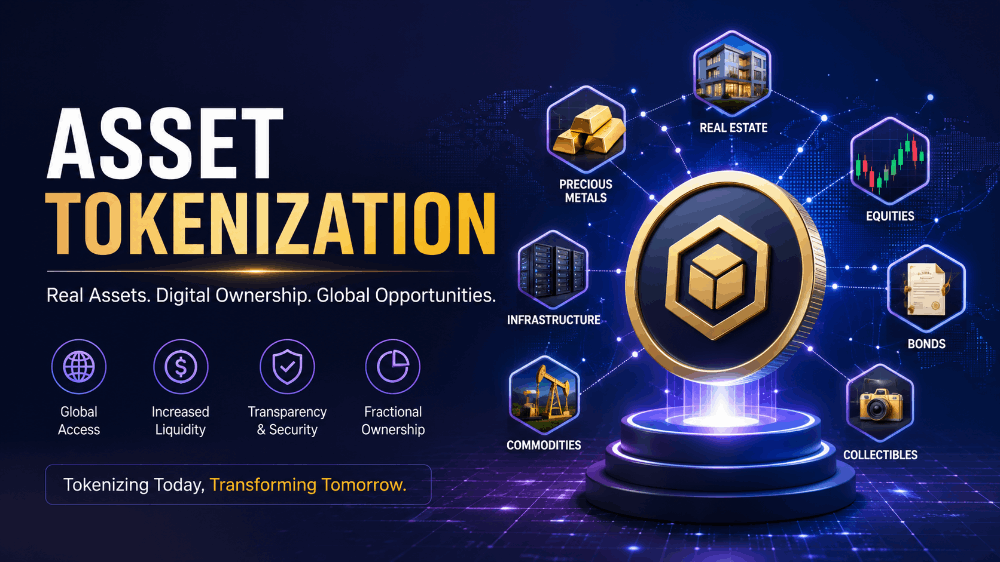
Blockchain technology is changing this landscape through real estate tokenization. By converting ownership rights into digital tokens secured on a blockchain network, property assets become more accessible, transparent, and efficient to manage. Tokenized real estate is reshaping how investors allocate capital and how businesses raise funds, offering a modern alternative to conventional property ownership.
As regulatory frameworks continue to mature across several countries, tokenized real estate is emerging as a practical investment model rather than a futuristic concept. Investors gain access to fractional ownership, while businesses benefit from improved fundraising mechanisms and expanded investor participation. This evolution is creating a more inclusive and efficient real estate ecosystem.
Breaking Down Investment Barriers Through Fractional Ownership
One of the biggest advantages of tokenized real estate is the ability to divide expensive properties into smaller digital units. Instead of purchasing an entire commercial building or residential property, investors can acquire fractional ownership represented by blockchain-based tokens.
This approach offers several benefits:
- Lower capital requirements make premium real estate accessible to a wider audience.
- Investors can diversify their portfolios across multiple properties instead of concentrating funds in a single asset.
- Cross-border participation becomes easier, allowing global investors to access international real estate markets.
- Ownership records remain immutable, reducing disputes and improving transparency.
- Digital asset transfers simplify ownership changes while minimizing administrative overhead.
Fractional ownership also reduces investment concentration risk. Rather than committing substantial capital to one location or asset type, investors can distribute funds across residential, commercial, hospitality, industrial, or mixed-use developments. This diversification strengthens long-term portfolio resilience while opening opportunities that were previously reserved for institutional investors.
How Businesses Benefit from Property Tokenization
For property developers, real estate firms, and investment companies, tokenization introduces a new capital formation model. Traditional fundraising often involves banks, private equity firms, or institutional investors, each adding complexity, negotiation, and lengthy approval processes.
Tokenization expands fundraising possibilities by enabling businesses to attract a broader investor base through compliant digital asset offerings. Property owners can unlock capital tied up in existing assets without necessarily selling entire properties.
Organizations investing in Real estate tokenization platform development can create secure digital marketplaces where asset issuance, investor onboarding, compliance verification, ownership tracking, and distribution of returns are managed within an integrated blockchain ecosystem. This digital infrastructure streamlines operational workflows while enhancing investor confidence through transparent transaction records and automated compliance mechanisms.
The result is a more agile fundraising environment where businesses can access capital efficiently while maintaining stronger control over asset management.
The Role of Smart Contracts in Improving Operational Efficiency
Smart contracts play a central role in tokenized real estate ecosystems by automating contractual obligations without requiring continuous manual intervention. These self-executing digital agreements reduce operational delays and improve transaction accuracy.
Some of the key operational improvements include:
- Automated distribution of rental income to token holders.
- Faster settlement of property transactions.
- Transparent ownership verification throughout the asset lifecycle.
- Automated compliance checks based on predefined regulatory rules.
- Reduced paperwork through digital documentation and blockchain validation.
Automation minimizes administrative expenses while reducing the likelihood of human error. Every transaction is permanently recorded on the blockchain, creating a tamper-resistant audit trail that supports both operational efficiency and regulatory reporting.
For investors, this transparency improves trust by providing verifiable ownership history and transaction records. For businesses, it lowers operational costs and enhances scalability as investor participation grows.
Expanding Liquidity and Strengthening Market Accessibility
One of the longstanding challenges in traditional real estate investing is limited liquidity. Selling physical property typically requires extensive legal procedures, property valuation, negotiations, and significant waiting periods before transactions are completed.
Tokenized assets introduce a more flexible ownership model where eligible investors may transfer or trade digital ownership interests through regulated secondary marketplaces, subject to local securities regulations and platform policies. Although liquidity depends on market demand and regulatory approval, tokenization has the potential to shorten transaction cycles compared to conventional real estate sales.
This increased flexibility benefits both investors seeking portfolio adjustments and businesses looking to maintain active investment ecosystems. Smaller ownership units also encourage broader market participation, helping attract individuals who may have previously considered real estate investments financially unattainable.
As blockchain infrastructure continues to mature, liquidity solutions are expected to improve further, creating more dynamic and efficient real estate markets.
Future Outlook for Tokenized Real Estate
The adoption of tokenized real estate is expected to accelerate as governments establish clearer regulatory frameworks and financial institutions become more comfortable integrating blockchain technologies into traditional investment models.
Institutional investors are increasingly exploring digital asset infrastructure to improve operational efficiency, while property developers are recognizing tokenization as an effective mechanism for attracting global capital. Simultaneously, retail investors are seeking diversified investment opportunities that combine transparency, accessibility, and lower entry barriers.
Future developments will likely include greater interoperability between blockchain networks, stronger compliance automation, enhanced digital identity verification, and broader integration with decentralized financial services. These advancements will further improve investor experiences while supporting sustainable growth within the digital real estate economy.
Tokenized real estate represents more than a technological innovation—it reflects a structural transformation in property ownership and investment. By reducing entry barriers, improving transparency, enabling fractional ownership, and modernizing capital formation, blockchain technology is creating new opportunities for both investors and businesses. As adoption continues to expand, tokenization has the potential to make global real estate markets more accessible, efficient, and inclusive than ever before.