POWER // NOV SPECTRE.
There are games that ask for your time.
Then there are worlds that absorb your identity.
Nov Spectre was never designed to feel safe. It was designed to feel inevitable.
Every system inside the experience bends toward one obsession: power. Not cosmetic power. Not borrowed status. Real ownership. Real pressure. Real consequence. The kind of digital gravity that changes how players move, negotiate, fight, and survive.
The economy is alive. Weapons evolve through scarcity. Assets circulate through players instead of sitting frozen inside developer-controlled menus. Territory matters. Reputation matters. Information matters more than either.
In Nov Spectre, progression is not handed out through participation trophies or scripted generosity. It is extracted. Built. Defended.
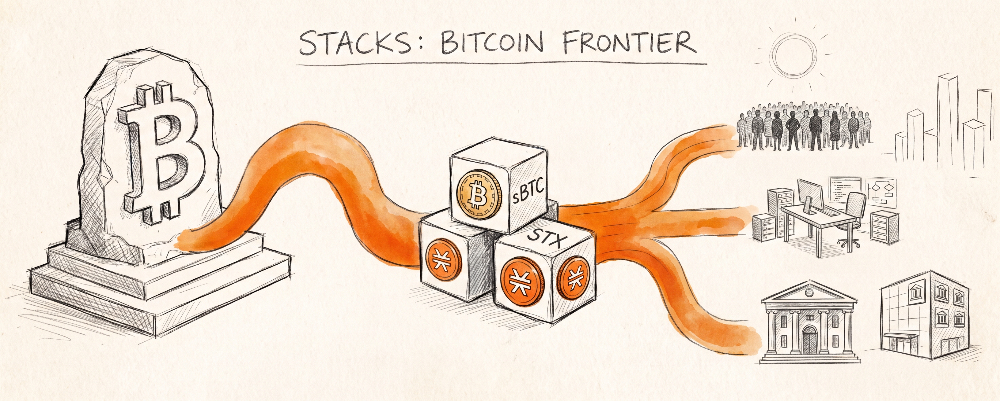
The architecture behind the world allows recreational earning systems to exist naturally within gameplay loops instead of feeling bolted on as speculative gimmicks. Digital assets are tied to utility, scarcity, and presence. Some items become legends because of who carried them. Others disappear because players failed to protect them.
This is not a static universe.
It remembers.
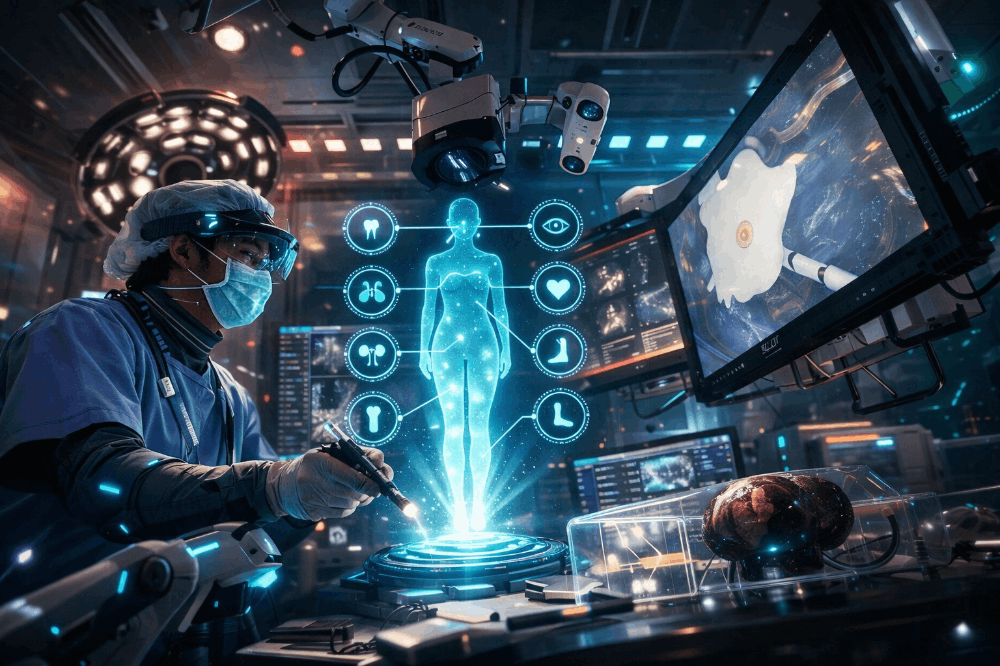
The visual identity of Nov Spectre follows the same philosophy. Industrial silhouettes. Controlled darkness. Tactical luxury. Hyper-modern combat framed like underground fashion campaigns. Every environment is engineered to feel expensive, dangerous, and strangely beautiful.
But the real technology is social.
When players begin assigning real value to territory, equipment, influence, transport routes, or access itself, the game stops behaving like entertainment alone. Entire parallel behaviors emerge: alliances, black markets, intelligence networks, contract warfare, private security, extraction crews, smugglers, political actors.
Communities stop consuming content and begin manufacturing history.
That transformation is where Nov Spectre lives.
The long-term vision reaches far beyond a single release cycle. The ecosystem is being structured to support persistent expansion, modular experiences, creator-driven economies, and evolving asset interoperability across future recreational environments.
Not every player enters Nov Spectre for the same reason.
Some come for dominance.
Some come for aesthetics.
Some come for the economy.
Some simply want to stand inside a world that feels larger than itself.
What matters is that once they arrive, the system responds to them.
Power leaves fingerprints.
And
Nov Spectre remembers every one of them.