What's prediction markets future?

Will a Political Pivot End the Era of Kalshi and Polymarket?
The New Oracle of the Mainstream
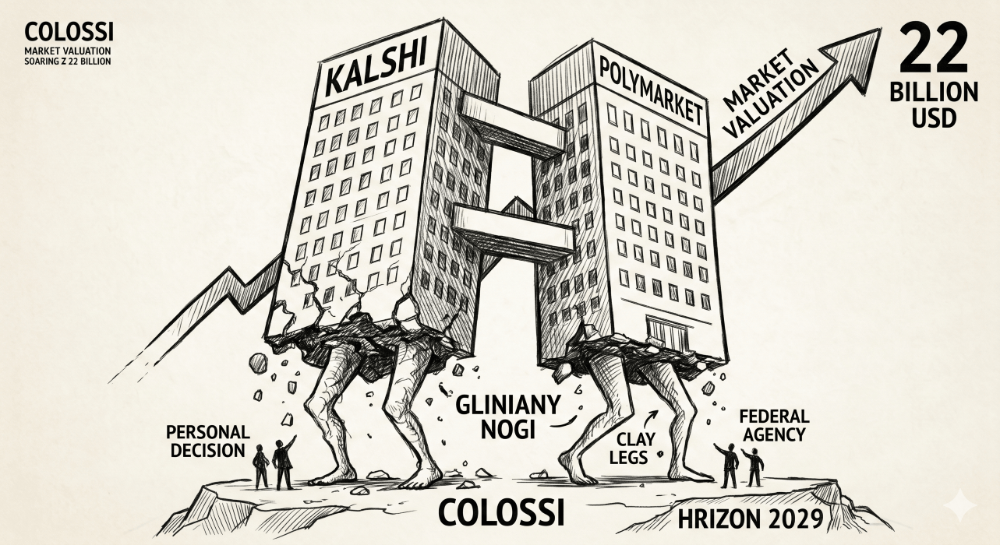
The influence of prediction platforms on public debate is currently unprecedented. Google Finance integrates Kalshi rates directly into its search results, and major outlets like CNN and The Wall Street Journal regularly cite prediction market probabilities as a more reliable source than traditional polling.
Political involvement has also reached the highest levels—Donald Trump Jr. serves as a strategic advisor to both key platforms. This provides the industry with a degree of political cover, but it also renders the sector a hostage to the current power structure in Washington.
Legal Foundation: Swaps Instead of Gambling
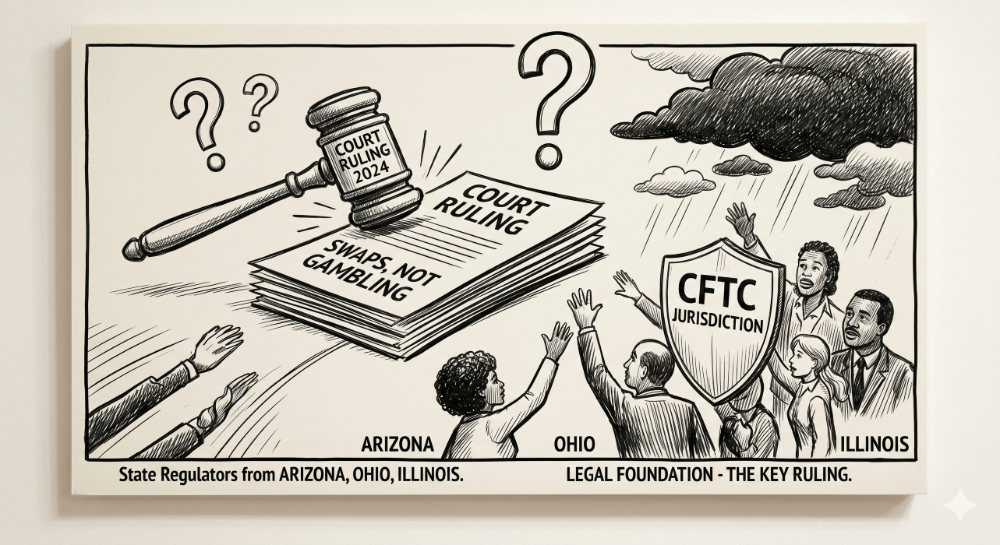
The catch is that this legal construct rests on a single court ruling from 2024. Evidence suggests that a different administration could effectively challenge this interpretation, reclassifying prediction markets as mere bookmaking—automatically subjecting them to the stringent laws of individual states.
Rule by a Single Commissioner
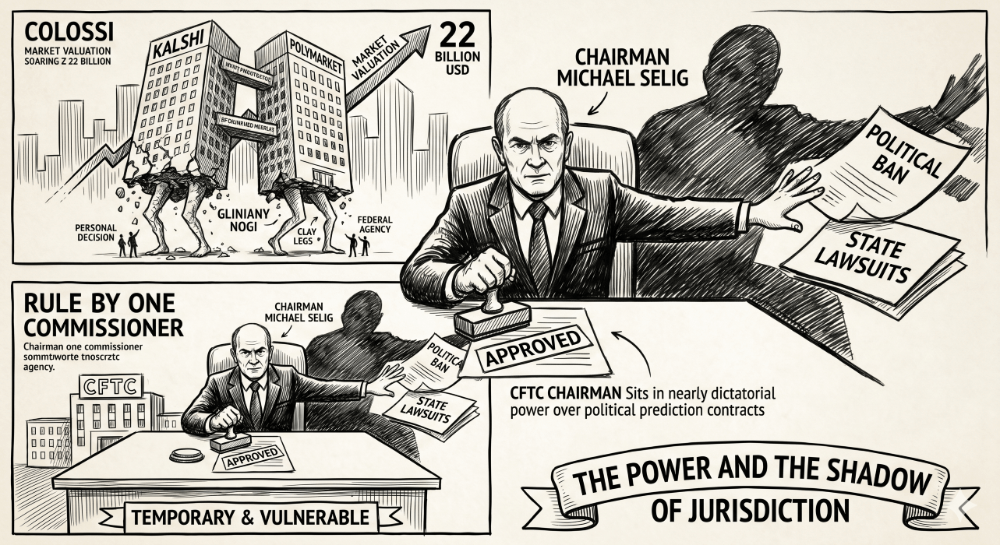
Two Paths to Survival: Kalshi vs. Polymarket
- Kalshi (The Institutional Path): Opted for full transparency and close cooperation with regulators. Their strategy assumes that a federal license is the ultimate shield.
- Polymarket (The Crypto-Native Path): Born from the blockchain ecosystem, it originally operated outside U.S. jurisdiction. Although it eventually moved toward legalization through the acquisition of licensed entities, its strength still lies in decentralized infrastructure.
Despite these differences, both models are at risk. Kalshi’s compliance may become useless if regulations change, while Polymarket’s decentralization could be stifled by pressure on stablecoin issuers, such as Circle, to block financial flows to specific wallets.
The Dark Side of Prediction Markets
Rapid growth has also exposed serious systemic flaws:
- Oracle Issues: Decisions regarding who won a specific bet are often controversial. There have been instances where markets were settled against the facts because token holders voting on the outcome had a financial interest in a specific result.
- Conflicts of Interest: Public figures who are the subjects of bets (e.g., candidates for high-ranking government positions) hold stakes in the platforms where millions of dollars are wagered on their success or failure.
- Insider Trading: Sudden, massive bets placed moments before official government announcements (e.g., regarding a ceasefire) suggest these markets are becoming the perfect venue for monetizing leaks from the highest levels of power.
Horizon 2029: The Time of Trial
Most users treat prediction markets as stable financial tools, unaware that they are participating in a massive political gamble. Congressional committees are already sitting on draft legislation, such as the Stop Corrupt Bets Act, aimed at a total ban on political forecasting.
If the White House changes hands in 2029, the new administration may simply stop defending these platforms against state law. For Kalshi, which derives 90% of its revenue from sports contracts, and Polymarket, which relies on stablecoin liquidity, this could mean the end of business in its current form. An industry valued in the billions remains dependent on a political tolerance that has a very specific expiration date.
Resources:
http://www.youtube.com/watch?v=HcHsu0Ia_Rc
https://beatcoin.pl/wiadomosci/polymarket-na-celowniku-holandia-naklada-gigantyczne-kary-a-lista-zakazanych-krajow-rosnie/
https://pl.egw.news/crypto/news/31402/prediction-markets-morph-into-bookmakers-kalshi-po--uOEZErwV