What is Web3? A Simple Explanation for Beginners

Introduction
The internet has changed a lot over the years.
First, we had simple websites where people could only read information. Then came social media, online banking, and big platforms like Google, Facebook, and Amazon.
Now, a new version of the internet is emerging: Web3.
But what exactly is Web3?
Why is everyone talking about it?
And how is it different from the internet we use today?
In this article, you will discover what Web3 is, how it works, and why it could shape the future of the digital world.
1. A Quick Look at the Evolution of the Internet
To understand Web3, let’s first look at how the internet evolved.
Web1 – The Read-Only Internet
This was the early internet in the 1990s.
People could read information, but they couldn’t interact much.
No social media, no comments, no uploads.
Web2 – The Interactive Internet
This is the internet we use today.
We can post, like, share, and communicate.
Platforms like Facebook, YouTube, TikTok, and Google control most of the data.
The problem?
Big companies own your data, and users have little control.
Web3 – The Decentralized Internet
Web3 aims to give power back to users using blockchain technology.
Instead of companies owning everything, users can own their data, assets, and identities.
2. What is Web3?
Web3 is a new version of the internet built on blockchain technology.
It allows people to:
- Own their digital assets
- Control their data
- Use decentralized applications (dApps)
- Make transactions without intermediaries
In Web3, there is no single company in control.
The system is run by networks of users.
3. How Does Web3 Work?
Web3 is powered by three main technologies:
Blockchain
A blockchain is a public digital ledger that records transactions.
It is transparent, secure, and cannot be easily changed.
Smart Contracts
These are programs that run automatically when conditions are met.
They remove the need for middlemen like banks or brokers.
Cryptocurrencies & Wallets
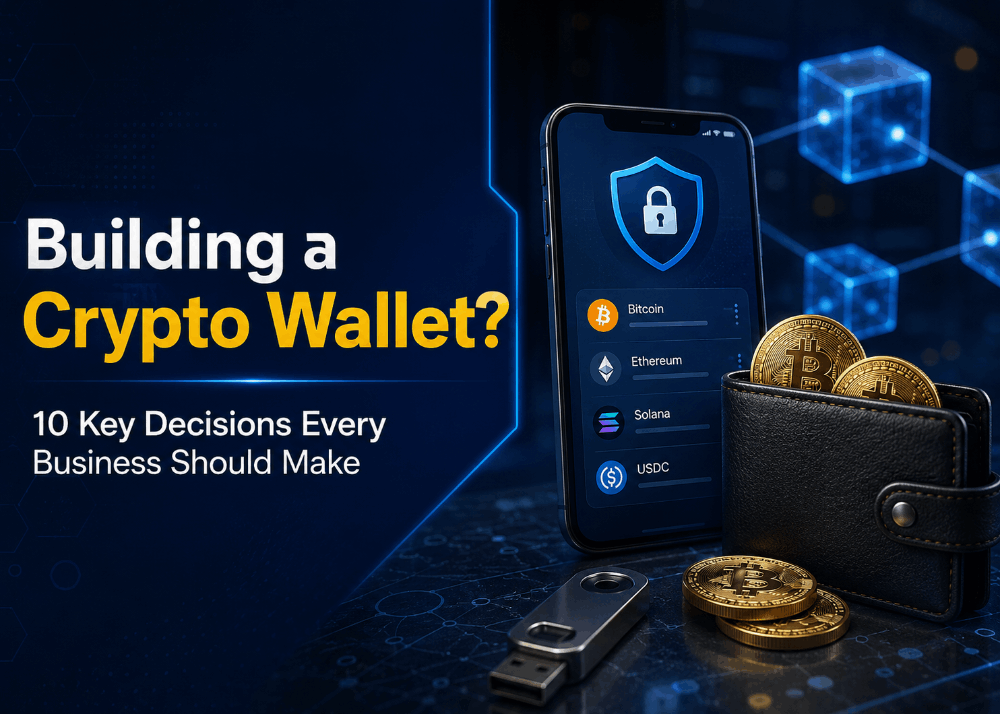
Instead of using banks, users manage money with crypto wallets.
Your wallet gives you full control over your funds.
4. Key Features of Web3
Decentralization
No central authority controls the network.
Power is distributed among users.
Ownership
You truly own your NFTs, tokens, and digital assets.
Transparency
All transactions are visible on the blockchain.
Permissionless
Anyone can join and participate without approval.
Security
Data is protected by cryptography.
5. Examples of Web3 in Real Life
Web3 is not just theory. It already exists.
Cryptocurrencies
Bitcoin and Ethereum are Web3 tools that allow peer-to-peer payments.
NFTs
Digital assets like art, music, and collectibles you can own.
DeFi (Decentralized Finance)
Financial services without banks:
- Lending
- Borrowing
- Trading
DAOs
Online communities that make decisions together using blockchain voting.
6. Why is Web3 Important?
Web3 solves many problems of Web2:
Better Privacy
You decide what data you share.
Financial Freedom
No bank restrictions.
No borders.
More Opportunities
Creators can earn directly from fans.
Censorship Resistance
No single company can silence users.
7. Challenges of Web3
Web3 is powerful, but not perfect.
Complexity
It can be confusing for beginners.
Scams
Fake projects exist. You must be careful.
Regulation
Some countries are still unsure how to regulate crypto.
Technology Limits
Blockchain can be slow and expensive.
8. How to Get Started with Web3
If you want to explore Web3:
- Create a crypto wallet
- Learn about blockchain basics
- Start with small investments
- Follow trusted Web3 communities
- Stay safe and avoid scams
Education is the key.
Conclusion
Web3 represents the next evolution of the internet.
It gives users:
- More control
- More freedom
- More ownership
Even if it is still developing, Web3 has the potential to change how we use the internet forever.
The future of the web is decentralized.
💬 What do you think about Web3?
Do you believe it will replace Web2 one day?
Share your opinion in the comments and let’s discuss!