The Hidden Cost of Modernization on Our Cultural Heritage

Modernization is often celebrated as a sign of progress, bringing technological advancement, improved infrastructure, and greater global connectivity.
While these developments have undoubtedly improved many aspects of daily life, they also come with unintended consequences. One of the most significant yet overlooked impacts is the gradual erosion of cultural heritage.
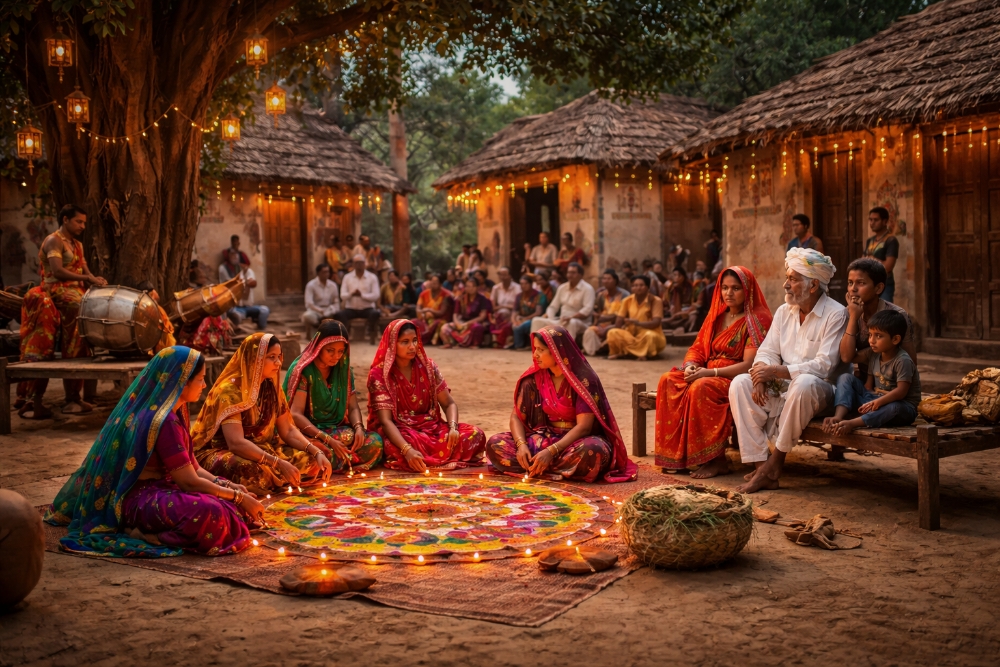
Cultural heritage represents the traditions, languages, customs, and values passed down through generations.
It shapes identity and provides a sense of belonging. However, as societies modernize, many of these elements begin to fade.
One major effect of modernization is the loss of traditional practices. Younger generations are increasingly drawn to modern lifestyles, often viewing traditional customs as outdated or irrelevant.
This shift leads to a decline in practices such as local crafts, indigenous ceremonies, and oral storytelling. Over time, these traditions risk disappearing entirely.
Language is another critical aspect affected by modernization. Global languages dominate education, media, and business, making them more appealing for practical reasons.
As a result, many indigenous languages are no longer actively spoken or taught. When a language dies, it takes with it unique ways of thinking, expressions, and cultural knowledge.
Urbanization also plays a significant role. As people migrate from rural areas to cities in search of better opportunities, they leave behind communities where cultural traditions are preserved.
In urban environments, cultural practices often become diluted or replaced by more dominant, globalized cultures.
Modernization also influences values and social norms. Traditional systems that emphasize community, respect for elders, and collective responsibility are often replaced by more individualistic attitudes.
While individual freedom is important, the weakening of communal bonds can lead to a loss of shared identity and cultural cohesion.
Another concern is the commercialization of culture. In some cases, cultural elements are preserved only for tourism or entertainment.
This can strip traditions of their original meaning and reduce them to mere performances rather than living practices with deep significance.
Despite these challenges, modernization does not have to mean the end of cultural heritage. There is a growing awareness of the need to preserve traditions while embracing progress.
Efforts such as cultural education, documentation, and community initiatives can help strike a balance.
In conclusion, while modernization brings undeniable benefits, it also poses serious risks to cultural heritage.
Protecting our traditions requires conscious effort and appreciation. Without this, we risk losing not just customs and languages, but a vital part of who we are.