How to Match a Study Table with Room Interiors
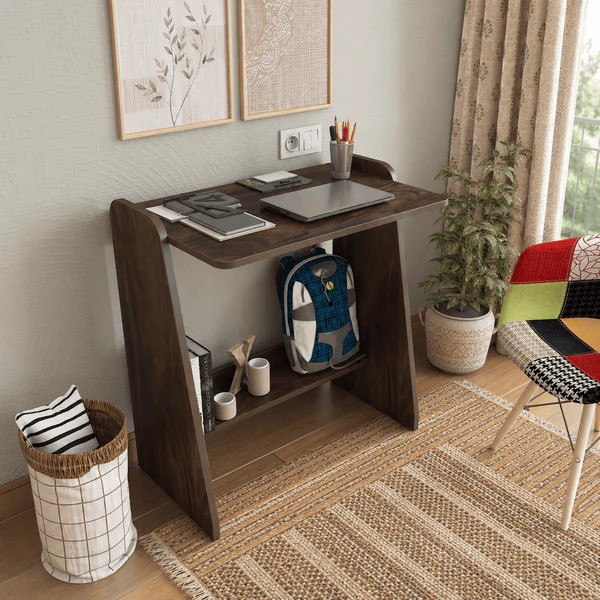
A study area should feel comfortable, organized, and naturally connected to the rest of the room. Whether you are setting up a workspace in a bedroom, living room, home office, or dedicated study area, choosing furniture that complements the existing interiors can make the space more practical and visually balanced. The right study table should provide enough workspace while fitting comfortably with the room's furniture, available space, and overall appearance.
However, selecting a table is not only about its size or appearance. You should also consider storage, material, placement, color, functionality, and the furniture already present in the room. Studio Kook offers thoughtfully designed furniture solutions that can help homeowners create practical study areas without making the room feel overcrowded.
Consider the Available Space
Before choosing a study table, measure the area where you plan to place it. A large table may provide plenty of workspace, but it can make a compact bedroom feel crowded. Similarly, choosing a very small table for a spacious room may leave the workspace looking incomplete.
Measure the width and depth available and leave enough space around the table for comfortable movement. Consider doors, windows, wardrobes, beds, and other furniture before finalizing its position.
Match the Table with Existing Furniture
The study table should complement the furniture already present in the room. For example, if your bedroom has a wooden bed and wardrobe, a table with a compatible finish can create a coordinated appearance. In a contemporary room, a clean and simple table can blend naturally with other modern furniture.
You do not necessarily need every furniture piece to look identical. Instead, focus on creating a balanced combination of materials, finishes, and proportions.
Choose the Right Size
The size of the table should correspond to both the available space and your daily requirements. If you mainly need the table for reading and writing, a compact surface may be sufficient. If you use a laptop, monitor, books, notebooks, and stationery, you may need a larger workspace.
Think about everything you regularly use before choosing the dimensions. This helps ensure that the table remains comfortable and functional without taking up unnecessary space.
Consider a Study Table with Storage
Storage becomes an important consideration when matching a study table with room interiors. A study table with storage can combine workspace and organization in one furniture piece, making it particularly useful for bedrooms and compact homes.
Drawers, shelves, and compartments provide convenient places for books, stationery, documents, chargers, and other essentials. Keeping these items organized can help maintain a cleaner workspace. Storage also reduces the need for additional cabinets or shelves, which can be useful when floor space is limited.
Coordinate the Material and Finish
Material plays an important role in creating visual consistency. Wood-based furniture can complement wooden beds, wardrobes, bookshelves, and cabinets. At the same time, different finishes can be combined to create subtle contrast without making the room feel mismatched.
When selecting a table, consider the existing furniture finishes as well as flooring, wall colors, and other prominent elements.
Pay Attention to Color
Color coordination can help the study area blend naturally into the room. Neutral shades are generally easy to combine with different furniture and wall colors. If the room already contains several strong colors, a simpler table finish may create better balance.
Alternatively, a contrasting table can act as a distinct focal point when carefully coordinated with other elements. The objective is to create harmony rather than make every furniture piece exactly the same.
Match the Table to the Room's Purpose
Think about how the room will be used before selecting your furniture. A study table in a child's bedroom may need space for books, notebooks, and school supplies. A home-office setup may require room for a laptop, monitor, keyboard, documents, and accessories.
Understanding the primary purpose of the workspace helps you select a design that fits both your practical needs and the surrounding furniture.
Choose a Comfortable Location
Placement can affect both usability and the overall arrangement of the room. A study table can be positioned near a window for natural daylight, against an empty wall, or in a dedicated corner. However, avoid blocking pathways, storage access, doors, or windows.
In smaller rooms, placing the table against a wall can help preserve central floor space and create a more structured workspace.
Keep the Workspace Organized
Even a well-matched table can make a room feel untidy if the surface becomes overcrowded. Use drawers, shelves, organizers, and cable-management solutions to keep frequently used items under control. Keep only essential objects on the tabletop and store less frequently used items in designated compartments. A clean workspace can make the entire room appear more organized.
Coordinate with Lighting
Lighting should also be considered when positioning your table. If possible, place the workspace where it receives sufficient natural light without creating distracting glare on a laptop or monitor. For evening use, add a suitable desk lamp that provides comfortable illumination.
The lamp itself can complement the table and other room furniture, helping create a cohesive workspace.
Consider Long-Term Flexibility
Your furniture requirements may change over time. A student may eventually use the same table for college assignments, creative work, or remote work. Similarly, a spare bedroom workspace may later become a home office.
Choosing a versatile table with adequate workspace and storage can help it remain useful as your needs evolve.
Why Choose Studio Kook?
Studio Kook focuses on furniture designed for modern homes, combining practical functionality with thoughtful design. Its study furniture can work across different room arrangements, allowing homeowners to create dedicated work and learning areas without compromising available space.
Whether you are furnishing a bedroom, study corner, or home office, choosing furniture from Studio Kook can help you build a workspace that fits naturally with your existing interiors.
Conclusion
Matching a study table with room interiors requires more than choosing an attractive design. Consider the available space, furniture proportions, materials, finishes, colors, lighting, storage requirements, and intended use before making your decision.
A study table with storage can be particularly useful when you want to combine workspace and organization while making efficient use of limited space. By selecting a table that complements your existing furniture and supports your everyday requirements, you can create a comfortable and organized study area. With practical furniture solutions from Studio Kook, homeowners can create work and study spaces that balance functionality, organization, and a cohesive appearance.