Crypto Pioneers - part two

Architects of Digital Freedom

Adam Back and the Hashcash Revolution
Before "mining" became a household term, Adam Back created Hashcash in 1997. Originally designed to combat email spam, Hashcash required a sender's computer to solve a mathematical puzzle—a "Proof of Work" (PoW). While trivial for a regular user, it made mass-spamming prohibitively expensive.

- The Foundation: Satoshi Nakamoto directly implemented Back’s PoW mechanism into Bitcoin, making the network resistant to Sybil attacks without a central authority. Today, as CEO of Blockstream, Back continues to evolve the technology via the Lightning Network.
Nick Szabo and the Vision of Bit Gold

- The Blueprint: His 1998 project, Bit Gold, sought to mirror the scarcity and "unforgeable costliness" of gold in a digital format. Although never fully launched, Bit Gold’s architecture—linking Proof of Work to a chain of blocks—is the closest precursor to Bitcoin’s structure.
Hal Finney: Bitcoin’s First Builder

- The Legacy: In 2004, he created RPOW (Reusable Proof of Work), a critical bridge in the evolution of digital cash. On January 12, 2009, Finney received the first-ever Bitcoin transaction (10 BTC) from Satoshi. Despite his battle with ALS, he spent his final years optimizing Bitcoin’s code, famously tweeting "Running bitcoin" on the network's second day of existence.
Len Sassaman: The Lost Martyr of Cryptography
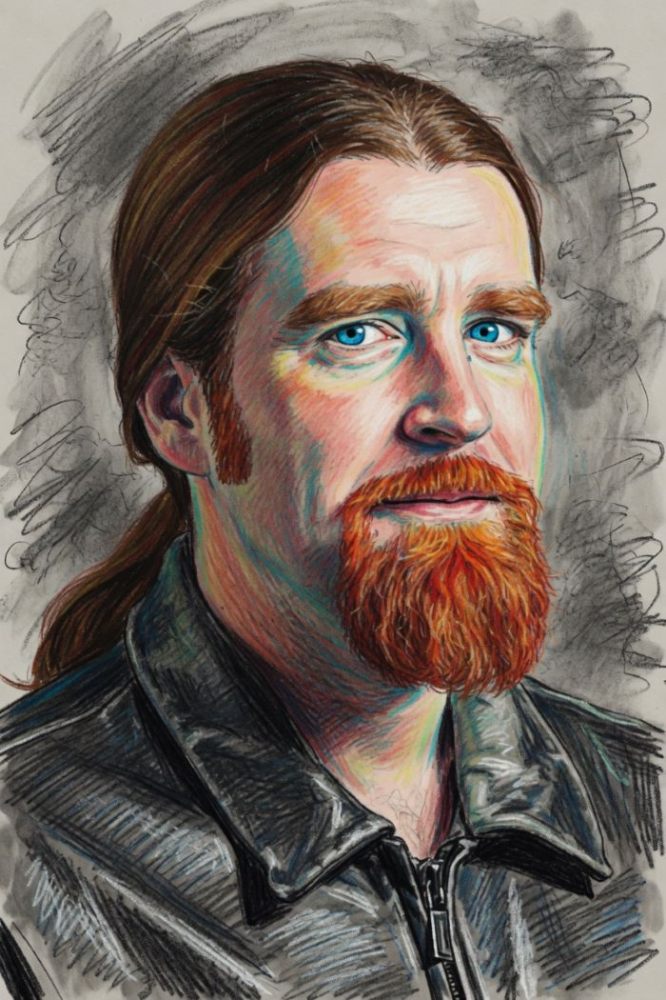
- The Satoshi Connection: Sassaman worked closely with Hal Finney on PGP and was an expert in remailers—the very technology that influenced Bitcoin's privacy ethos. His suicide in July 2011 occurred just months after Satoshi’s final message: "I’ve moved on to other things."
- A Permanent Tribute: Sassaman's impact was so significant that his friend Dan Kaminsky embedded a permanent ASCII tribute to him within the Bitcoin blockchain itself. Many theorists believe Sassaman’s deep expertise in P2P systems and his academic background make him one of the most credible candidates for the person behind the Satoshi pseudonym.
The Cypherpunk Legacy
The common thread among these men was the Cypherpunk movement. Their manifesto asserted that privacy is essential for a free society in the digital age, and that cryptography is the only tool capable of securing it.
Summary:
Without Adam Back’s Hashcash, Bitcoin would lack its security. Without Nick Szabo’s Bit Gold, the concept of digital scarcity would be hollow. Without Hal Finney’s RPOW, the network might never have functioned. And without Len Sassaman’s advocacy for privacy, the spirit of Bitcoin might have lacked its radical soul. Together, they are the silent heroes of the financial revolution we see today.