How Are Bricks-and-Mortar Assets Becoming Part of the Digital Economy?

The digital economy is transforming the way value is created, stored, and transferred. While initially centered on software, e-commerce, and cryptocurrencies, this economy now increasingly includes tangible, bricks-and-mortar assets. From residential and commercial real estate to warehouses, retail properties, and infrastructure projects, physical assets are being integrated into blockchain-based financial systems through tokenization. This trend bridges the traditional world of real assets with digital finance, offering liquidity, fractional ownership, global access, and innovative investment models that were previously impossible.
Understanding how bricks-and-mortar assets are entering the digital economy requires examining the mechanics of tokenization, the technology enabling it, the regulatory frameworks supporting it, and the evolving opportunities for investors, developers, and financial institutions.
Understanding Bricks-and-Mortar Asset Tokenization
Bricks-and-mortar assets are physical, tangible properties with inherent value. They include residential homes, office buildings, warehouses, retail centers, and industrial facilities. Traditionally, investing in these assets required significant capital, legal navigation, and lengthy transaction processes. Ownership transfers were cumbersome, illiquid, and geographically constrained.
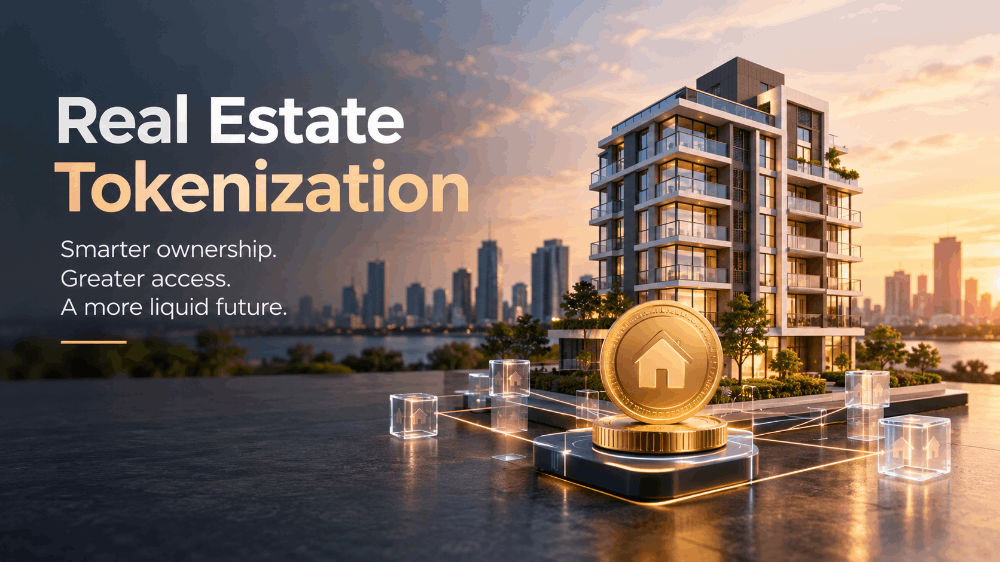
Tokenization converts these physical assets into blockchain-based digital tokens. Each token represents a fractional share of the underlying asset, allowing multiple investors to co-own a single property. Smart contracts—self-executing blockchain code—manage the rules of ownership, income distribution, compliance, and transferability. This technology enables investors to trade asset tokens on digital platforms much like shares or other securities, effectively integrating tangible assets into the digital economy.
By digitizing ownership, tokenization addresses longstanding limitations of physical assets: illiquidity, high entry thresholds, geographic barriers, and administrative complexity. The result is a dynamic ecosystem where investors can access and trade portions of high-value properties, creating new markets for previously static, illiquid assets.
Key Drivers of Integration into the Digital Economy
The adoption of bricks-and-mortar asset tokenization is being driven by several converging factors:
1. Demand for Liquidity
Physical assets have traditionally been illiquid. Selling a commercial building or residential property can take months or even years. Tokenization enables fractional ownership, which can be traded instantly on secondary digital markets. Investors gain liquidity without needing to sell the entire property, unlocking capital that was historically locked in long-term investments.
Liquidity also allows for more dynamic portfolio management. Investors can diversify across multiple tokenized properties or exit positions quickly in response to market conditions. This transformation significantly lowers the risk associated with holding illiquid physical assets.
2. Fractional Ownership and Democratization
Tokenization democratizes access to high-value assets. A single property can be divided into thousands of tokens, each representing a fraction of ownership. Retail investors with modest capital can participate in markets previously dominated by institutional players.
Fractional ownership is particularly impactful in luxury, commercial, and industrial real estate. For instance, a small investor can now own a portion of a high-rise office building in a major city without taking on full ownership responsibilities. This trend is broadening investor participation and reshaping the distribution of real estate wealth.
3. Global Market Access
Tokenized assets are inherently borderless. Investors from different countries can participate in property markets without needing to navigate local bureaucracy, travel, or traditional intermediaries. Blockchain technology ensures secure ownership records, transparent transaction histories, and streamlined compliance for cross-border investments.
This global accessibility expands the pool of potential investors for property owners and developers. Foreign investors can gain exposure to prime real estate markets while reducing transaction risk, while domestic developers can tap into international capital.
4. Regulatory Clarity and Security
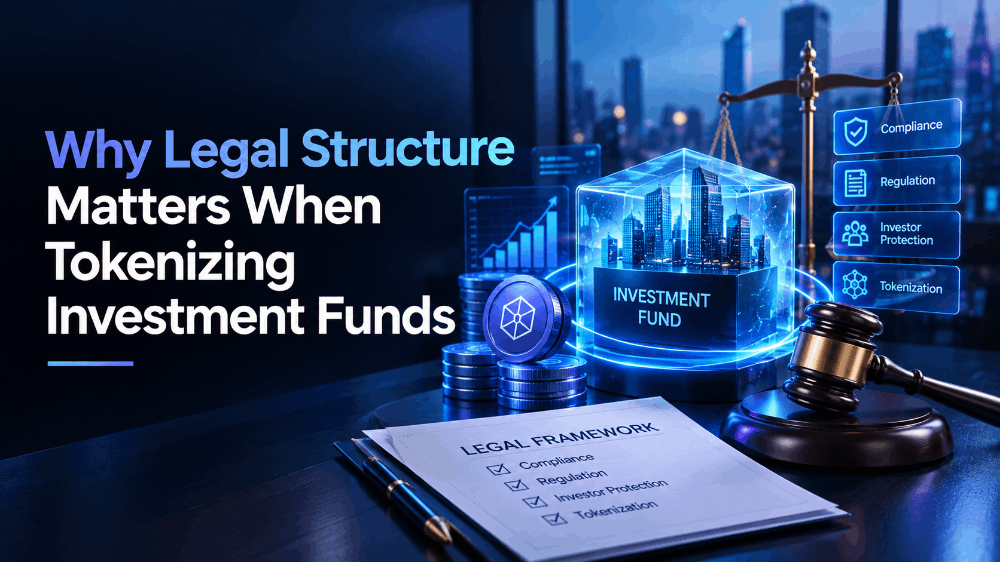
Tokenized bricks-and-mortar assets often qualify as digital securities. As such, governments and regulatory authorities are establishing frameworks to provide legal clarity, investor protections, and compliance guidance. Security-focused platforms now integrate KYC (know-your-customer) and AML (anti-money-laundering) processes, automated reporting, and cross-border compliance tools.
Regulatory clarity builds trust among investors, developers, and financial institutions, accelerating adoption. In jurisdictions with clear tokenization frameworks, such as the European Union, Singapore, and the United States, the integration of physical assets into the digital economy is moving from experimentation to mainstream practice.
Applications Across Asset Classes
Real Estate
Residential, commercial, and industrial properties are the most prominent examples of tokenized physical assets. Tokenized real estate allows investors to acquire fractional ownership, receive rental income proportional to their holdings, and participate in property appreciation.
- Residential: Tokenization enables smaller investors to access apartments, townhouses, and vacation homes in high-demand locations.
- Commercial: Office buildings, retail centers, and hotels can be fractionalized to attract both domestic and international investors.
- Industrial: Warehouses, distribution centers, and logistics hubs generate predictable income streams, making them ideal for fractionalized token offerings.
By digitalizing ownership, real estate becomes liquid and tradable, transforming what was once a static investment into an active component of an investor’s portfolio.
Infrastructure
Tokenization extends beyond real estate into large-scale infrastructure projects, including renewable energy plants, transportation networks, and public facilities. These projects often require significant capital investment, making traditional funding slow and inefficient.
By issuing digital tokens, developers can attract fractionalized investment from global participants. Investors benefit from revenue-sharing arrangements tied to project performance, while governments and developers gain faster access to funding. For example, a tokenized solar energy farm can distribute electricity revenue directly to token holders through smart contracts.
Retail and Commercial Spaces
Retail properties, such as shopping centers and storefronts, are increasingly being tokenized. Tokens represent fractional ownership or revenue-sharing rights, allowing investors to earn a portion of rent collected from tenants.
Tokenization in retail provides liquidity to property owners, while investors gain diversified exposure to commercial markets. Moreover, digital trading of these tokens enables investors to respond quickly to changes in retail trends, tenant performance, or market conditions.
Industrial Warehouses and Logistics
E-commerce and global supply chain growth have increased demand for industrial real estate. Warehouses and logistics facilities, traditionally illiquid, are ideal candidates for tokenization. Investors can gain fractional exposure to these high-value assets, while developers secure funding for expansion or modernization.
Tokenized logistics facilities also enable innovative financial products. For instance, warehouse tokens can be used as collateral in lending or traded on secondary markets, increasing market efficiency and investor flexibility.
Benefits for Stakeholders
Investors
- Access to high-value assets: Tokenization lowers entry thresholds, allowing investment in premium properties.
- Liquidity: Fractional tokens can be traded in secondary markets, providing capital flexibility.
- Transparency: Blockchain ensures immutable ownership records and real-time performance tracking.
- Portfolio diversification: Investors can spread risk across multiple properties and asset classes.
Asset Owners
- Capital efficiency: Tokenization provides an alternative to traditional financing, reducing reliance on debt or equity.
- Global reach: Developers can attract investors worldwide, expanding fundraising opportunities.
- Automation: Smart contracts reduce administrative overhead, streamline compliance, and automate revenue distribution.
Market Ecosystem
- Innovation: Tokenized assets create new marketplaces and investment opportunities.
- Integration with DeFi: Tokens can be collateralized, staked, or incorporated into financial products.
- Risk distribution: Fractional ownership allows for diversified investment and mitigates concentration risk.
Case Studies and Real-World Examples
- Commercial Real Estate in New York: A commercial building in Manhattan was tokenized into 20,000 units, enabling international investors to acquire fractional ownership. The tokenized model provided liquidity that traditional real estate investment would not offer.
- Industrial Warehouses in Germany: A logistics company tokenized multiple warehouses to raise capital for expansion. Fractional tokens allowed retail and institutional investors to participate in a high-demand sector, while providing immediate liquidity.
- Renewable Energy Infrastructure: A solar farm in Spain issued digital tokens representing revenue rights. Token holders receive automated payouts based on energy sales, demonstrating how infrastructure assets can be digitized for global investment.
Challenges and Considerations
While bricks-and-mortar tokenization offers many benefits, challenges remain:
- Regulatory complexity: Laws regarding property, securities, and digital assets vary widely, complicating international investment.
- Valuation accuracy: Asset valuation requires professional appraisals and ongoing monitoring.
- Technology adoption: Investors and developers must understand blockchain platforms and smart contracts.
- Market liquidity: Tokenized assets require sufficient trading activity to maintain value and confidence.
Addressing these challenges requires collaboration among regulators, technology providers, and industry participants to ensure secure, compliant, and functional markets.
Future Outlook
The integration of bricks-and-mortar assets into the digital economy is poised for significant growth. By 2026, tokenization will extend beyond real estate to industrial, retail, and infrastructure sectors. Emerging technologies, such as AI-driven valuation, predictive analytics, and automated governance, will further streamline tokenized asset management.
Integration with decentralized finance (DeFi) will transform tokenized physical assets into dynamic financial instruments, enabling collateralized lending, staking, and liquidity provision. Hybrid ownership models combining conventional and digital asset structures will appeal to conservative investors, facilitating adoption.
Ultimately, bricks-and-mortar assets are becoming more than static investments; they are entering the digital economy as liquid, tradable instruments. Investors, developers, and institutions who understand and adapt to this transformation will gain a competitive advantage in the evolving financial landscape.
Conclusion
Tokenization is transforming bricks-and-mortar assets into liquid, tradable digital instruments. Real estate, retail spaces, industrial warehouses, and infrastructure projects can now be fractionalized, accessed globally, and managed through blockchain-based automation. This integration enhances transparency, lowers barriers to entry, and creates new investment opportunities.
As technology and regulatory frameworks evolve, tokenized physical assets are set to become a core component of the digital economy, offering investors and developers a more flexible, efficient, and inclusive way to participate in tangible asset markets.