How Real Estate Tokenization Is Changing the Way Assets Are Owned and Traded

Real estate has traditionally been one of the most valuable yet least accessible investment classes in the world. High capital requirements, complex legal processes, limited liquidity, and geographic restrictions have long made property ownership and trading slow and exclusive. However, the emergence of blockchain technology has introduced a new model known as real estate tokenization, which is fundamentally transforming how assets are owned, accessed, and exchanged.
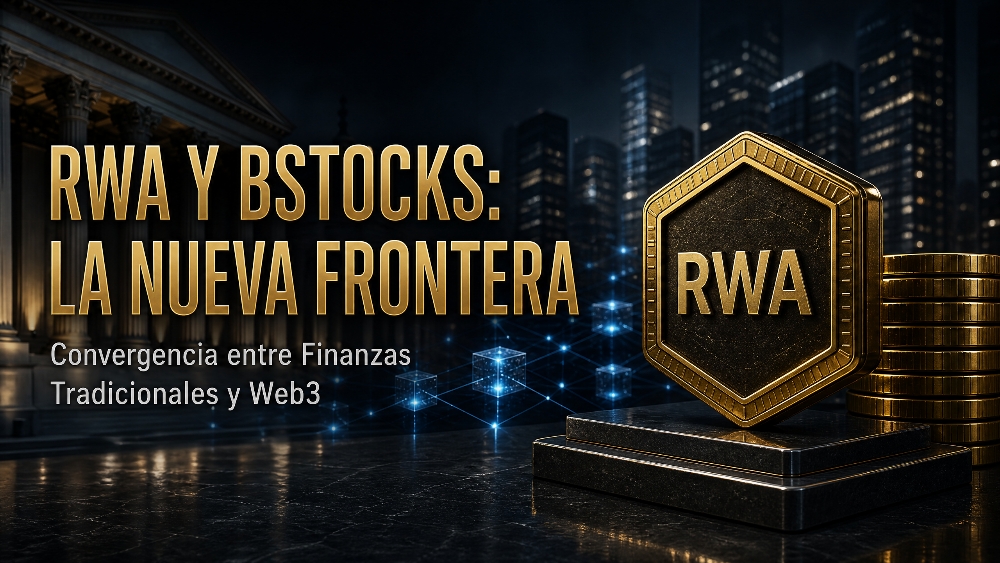
Real estate tokenization refers to the process of converting ownership rights of physical properties into digital tokens stored on a blockchain. Each token represents a fractional share of a property, enabling investors to buy, sell, and trade real estate assets in smaller, more flexible units. This innovation is reshaping global investment systems by making real estate more liquid, transparent, and accessible to a broader range of investors.
Understanding Real Estate Tokenization
At its core, real estate tokenization bridges physical property with digital financial systems. A property such as a residential building, commercial office, or industrial facility—is legally structured and divided into digital tokens on a blockchain network. Each token corresponds to a fraction of ownership in that asset. Instead of purchasing an entire property worth hundreds of thousands or millions of dollars, investors can purchase a small fraction represented by tokens. These tokens can be stored in digital wallets, transferred between users, and traded on blockchain-based platforms. Tokenization is effectively converting illiquid real-world assets into tradable digital instruments, allowing ownership to be divided and exchanged with significantly greater efficiency than traditional systems.
How the Tokenization Process Works
The process of real estate tokenization typically follows several structured stages.
1. Asset Selection and Legal Structuring
A real estate asset is first selected and legally structured into an investment vehicle, such as a trust or special-purpose entity. This ensures compliance with regulatory frameworks and defines ownership rights.
2. Digitization of Ownership
Ownership rights are then converted into digital tokens using blockchain technology. Each token represents a defined share of the underlying property.
3. Smart Contract Deployment
Smart contracts are programmed to manage ownership rules, dividend distribution, rental income sharing, and compliance requirements. These contracts execute automatically without intermediaries.
4. Token Issuance and Distribution
The tokens are issued to investors through primary offerings or investment platforms. Investors purchase tokens using fiat currency or digital currencies.
5. Secondary Market Trading
Once issued, tokens can be traded on secondary markets, allowing investors to buy or sell their fractional ownership freely, improving liquidity and accessibility.
This system enables real estate assets to function more like traditional financial instruments while maintaining ownership of physical properties.
Fractional Ownership: The Core Innovation
One of the most powerful features of real estate tokenization is fractional ownership. Instead of requiring a single buyer to purchase an entire property, ownership is divided into multiple smaller units.
This model allows investors to participate in high-value real estate markets with relatively small amounts of capital. For example, instead of buying a full commercial building, an investor can purchase a fraction of it alongside hundreds or thousands of other investors.
Fractional ownership significantly lowers entry barriers, enabling broader participation in real estate investment markets that were previously restricted to institutions and high-net-worth individuals.
Key Ways Tokenization Is Transforming Ownership
1. Democratization of Real Estate Investment
Traditionally, real estate investment required large upfront capital and access to private networks. Tokenization removes these barriers by allowing individuals to invest small amounts in premium properties. This democratization opens global access, meaning investors from different regions can participate in property markets without physical or financial limitations.
2. Shift from Full Ownership to Fractional Ownership
In traditional systems, ownership is binary you either own the entire property or none of it. Tokenization introduces fractional ownership, where multiple investors can collectively own a single asset. This shift allows investors to diversify their portfolios across multiple properties, reduce financial risk exposure, and participate in high-value assets with lower capital requirements.
3. Enhanced Liquidity in Real Estate Markets
One of the biggest limitations of real estate has always been illiquidity. Selling a property can take months or even years due to legal processes, negotiations, and financing delays. Tokenization changes this by enabling secondary trading of property shares. Investors can buy and sell tokens quickly on digital platforms, similar to stock trading. This introduces liquidity into a historically illiquid market and allows faster exit strategies for investors.
4. Global Access to Property Markets
Tokenized real estate removes geographic restrictions. Investors are no longer limited to their local markets. Instead, they can invest in international properties through digital platforms. This global accessibility increases capital flow into real estate markets and diversifies investment opportunities for individuals worldwide.
5. Transparency and Security Through Blockchain
Blockchain technology ensures that every transaction is recorded on an immutable ledger. This provides:
- Transparent ownership history
- Reduced risk of fraud
- Verifiable asset records
- Secure transfer of ownership
Because blockchain records cannot be altered, investors gain greater confidence in the legitimacy and accuracy of property ownership data.
Role of Smart Contracts in Real Estate Tokenization
Smart contracts are self-executing programs that automatically enforce agreements between buyers, sellers, and property managers.
In real estate tokenization, smart contracts handle:
- Rental income distribution
- Profit sharing
- Ownership transfers
- Compliance enforcement
For example, when a property generates rental income, smart contracts automatically distribute earnings proportionally to token holders. This removes the need for intermediaries like brokers or property managers for financial settlements.
Benefits of Real Estate Tokenization
Lower Entry Barriers
Investors can participate with significantly lower capital compared to traditional real estate investments.
Portfolio Diversification
Instead of investing in a single property, investors can hold fractions of multiple properties across different regions.
Passive Income Opportunities
Token holders can earn rental income or profit distributions automatically through smart contracts.
Reduced Transaction Costs
Blockchain eliminates many intermediaries, reducing legal, administrative, and brokerage fees.
Faster Settlement Times
Transactions that once took weeks can now be completed in minutes or hours.
Challenges and Limitations
Despite its advantages, real estate tokenization still faces several challenges.
Regulatory Uncertainty
Different countries have different laws regarding digital assets and property ownership, creating legal complexity.
Liquidity Limitations
Although tokenization improves liquidity, secondary markets are still developing and may not yet match traditional financial markets in depth.
Valuation Complexity
Determining the accurate market value of tokenized assets can be difficult due to limited historical data.
Adoption Barriers
Traditional real estate institutions may be slow to adopt blockchain-based systems due to operational and regulatory concerns.
Impact on Global Real Estate Markets
Real estate tokenization is gradually reshaping global investment infrastructure. Industry estimates suggest that trillions of dollars in real estate assets could eventually be digitized and tokenized, unlocking significant liquidity in previously locked markets.
Institutional investors, asset managers, and financial platforms are increasingly exploring tokenized real estate as part of broader real-world asset adoption strategies.
This shift is also influencing:
- Property crowdfunding models
- Real estate investment trusts
- Cross-border investment systems
- Digital asset markets
Future of Real Estate Ownership
The future of real estate is moving toward a hybrid model where physical assets are integrated with digital financial systems. In this future:
- Properties will be partially or fully tokenized
- Ownership will be fluid and divisible
- Global investors will participate seamlessly
- Transactions will occur in real-time
Real estate may eventually function more like a digital asset class rather than a slow-moving physical investment system.
Conclusion
Real estate tokenization represents one of the most significant innovations in modern property investment. By converting physical assets into blockchain-based digital tokens, it transforms how ownership is structured, traded, and accessed. The shift from traditional ownership models to fractional, digital ownership is not just improving efficiency it is redefining accessibility, liquidity, and global participation in real estate markets. While challenges such as regulation and market maturity remain, the trajectory is clear: real estate is steadily evolving into a more open, transparent, and digitally integrated asset class powered by blockchain technology.