How Real Estate Tokenization Is Unlocking New Opportunities for Property Investors
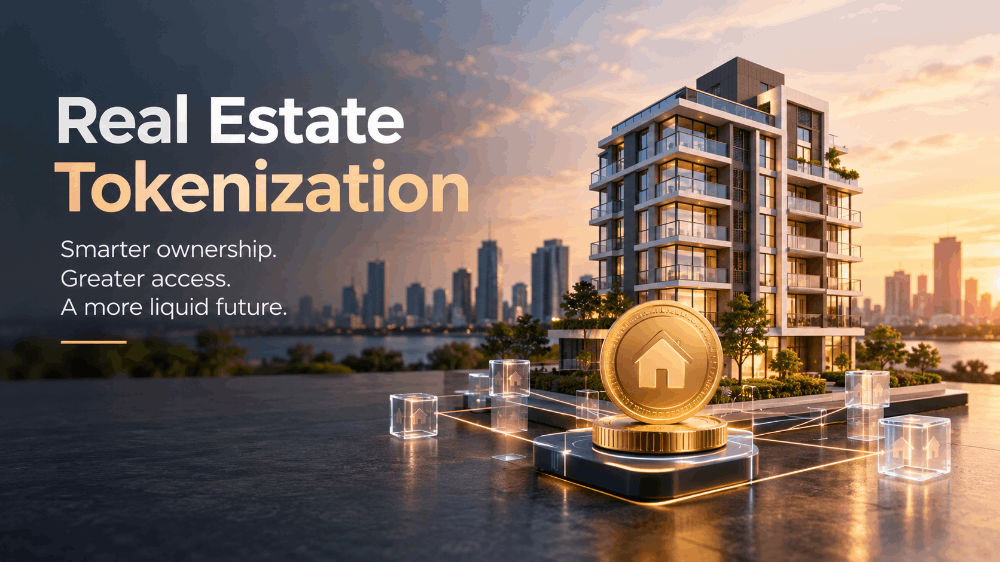
The real estate sector has historically been characterized by high capital barriers, illiquidity, and complex ownership structures. However, the emergence of real estate tokenization is fundamentally reshaping how property assets are accessed, traded, and managed. By leveraging distributed ledger infrastructure, tokenization converts physical real estate into digital tokens that represent fractional ownership, thereby introducing unprecedented efficiency and accessibility into property investment ecosystems.
Understanding Real Estate Tokenization at a Structural Level
Real estate tokenization refers to the process of digitizing ownership rights of a property into blockchain-based tokens. Each token functions as a programmable unit of ownership, often governed by smart contracts that encode legal, financial, and operational conditions.
Unlike traditional Real Estate Investment Trusts (REITs), tokenized assets provide granular ownership segmentation. Investors can hold micro-equity stakes in a property, allowing participation without the need for substantial capital deployment. This fractionalization enhances liquidity while preserving asset-backed value.
From a technical standpoint, tokenization involves:
- Asset identification and legal structuring
- Creation of digital tokens via smart contracts
- Integration with compliance frameworks (KYC/AML layers)
- Listing on token marketplaces or secondary trading platforms
This layered architecture ensures that tokenized real estate maintains both regulatory alignment and technological efficiency.
Key Advantages Driving Adoption Among Investors
The growing traction of real estate tokenization is not incidental—it is driven by a convergence of financial, technological, and regulatory factors that collectively enhance investor value.
1. Fractional Ownership Accessibility
- Investors can enter high-value real estate markets with significantly lower capital thresholds
- Enables portfolio diversification across geographies and asset classes
- Reduces concentration risk associated with single-property investments
2. Enhanced Liquidity Mechanisms
- Tokenized assets can be traded on secondary markets
- Reduces the traditionally long exit timelines associated with real estate
- Facilitates near real-time settlement compared to conventional property transactions
3. Transparency and Auditability
- Blockchain ensures immutable transaction records
- Investors gain visibility into ownership history and asset performance
- Reduces information asymmetry between stakeholders
4. Operational Efficiency
- Smart contracts automate rent distribution, dividend payouts, and compliance
- Minimizes reliance on intermediaries such as brokers and legal agents
- Reduces transaction costs and administrative overhead
The Role of Smart Contracts in Tokenized Real Estate
Smart contracts act as the backbone of tokenized property ecosystems. These self-executing protocols define the rules governing ownership transfer, income distribution, and compliance enforcement. By eliminating manual intervention, smart contracts reduce friction and ensure deterministic execution of contractual terms.
For instance, rental income generated from a property can be automatically distributed to token holders based on their proportional ownership. Similarly, governance mechanisms such as voting rights can be embedded into tokens, enabling decentralized decision-making.
This programmable nature of assets introduces a new paradigm where real estate is no longer static but dynamically managed through code.
Market Opportunities Emerging from Tokenization
The tokenization of real estate is unlocking multiple new avenues for investors that were previously inaccessible or inefficient.
Global Investment Participation
- Investors can access international real estate markets without cross-border complexities
- Eliminates traditional barriers such as currency restrictions and legal fragmentation
- Encourages capital inflow into emerging markets
Diversified Asset Classes
- Commercial properties, residential units, and even infrastructure assets can be tokenized
- Enables exposure to niche segments like co-living spaces or vacation rentals
- Facilitates thematic investment strategies
Democratization of Property Investment
- Retail investors can participate alongside institutional players
- Reduces wealth inequality in access to high-yield real estate assets
- Encourages broader market participation
Secondary Market Evolution
- Creation of digital asset exchanges for property tokens
- Improved price discovery through continuous trading
- Enhanced market efficiency compared to traditional real estate cycles
Regulatory Considerations and Compliance Layers
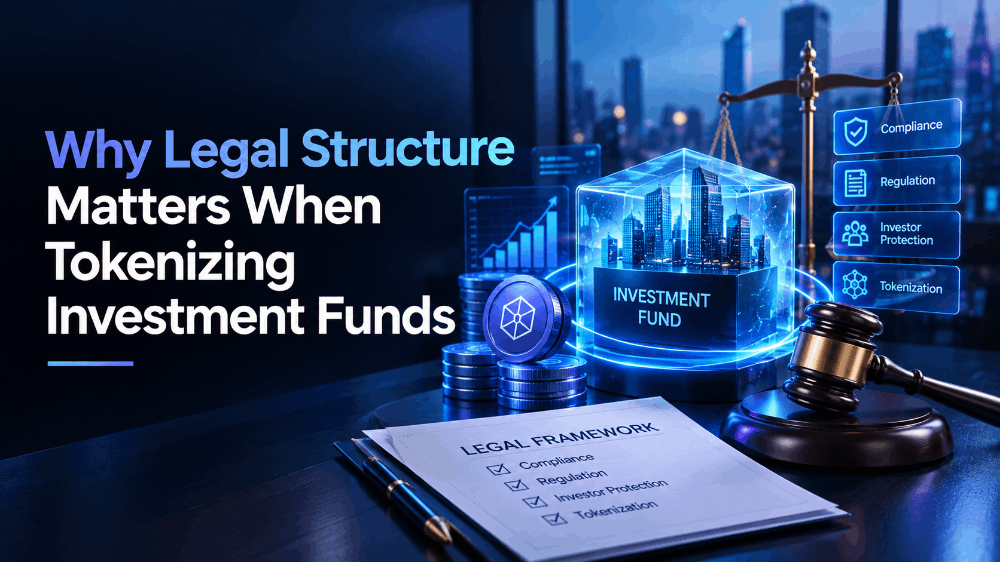
Despite its transformative potential, real estate tokenization operates within a complex regulatory landscape. Tokenized assets are often classified as securities, requiring adherence to jurisdiction-specific compliance frameworks.
This includes:
- Know Your Customer (KYC) verification
- Anti-Money Laundering (AML) protocols
- Securities registration or exemptions
- Investor accreditation requirements
Regulatory clarity is gradually improving, with several jurisdictions establishing frameworks to support tokenized assets. However, investors must remain cognizant of legal nuances before participating in such markets.
Challenges That Still Need Resolution
While the benefits are compelling, real estate tokenization is not without its limitations. Market maturity is still evolving, and certain structural challenges persist.
Key concerns include:
- Limited secondary market liquidity in early-stage platforms
- Interoperability issues between different blockchain ecosystems
- Legal enforceability of tokenized ownership in certain jurisdictions
- Dependence on robust cybersecurity measures to protect digital assets
Addressing these challenges will be critical for mainstream adoption and long-term sustainability.
The Strategic Role of Technology Providers
The success of tokenized real estate ecosystems heavily depends on the capabilities of technology enablers. A well-structured Real Estate Tokenization Development Company plays a crucial role in designing secure, compliant, and scalable platforms that align with both investor expectations and regulatory standards.
These providers integrate blockchain protocols, smart contract frameworks, and compliance modules into cohesive systems that facilitate seamless asset tokenization. Their role extends beyond development to include consulting, legal alignment, and post-deployment support.
The Future Outlook of Tokenized Real Estate
The trajectory of real estate tokenization suggests a gradual but definitive shift toward digitized property markets. As infrastructure matures and regulatory frameworks stabilize, tokenization is likely to become an integral component of global real estate investment strategies.
Institutional adoption is expected to accelerate, bringing credibility and capital into the ecosystem. Simultaneously, advancements in decentralized finance (DeFi) could further enhance liquidity and create new financial instruments linked to tokenized property assets.
In essence, real estate tokenization is not merely an incremental innovation—it represents a structural transformation of how property ownership is defined, accessed, and traded.