🧱 How to Stake Your Crypto and Earn Interest — Safely

Staking has quickly become one of the most popular ways to earn passive income in crypto.
Instead of trading constantly or trying to time the market, staking allows you to lock your tokens, support a blockchain network, and receive reliable rewards in return.
It sounds simple — and in many ways, it is.
But staking also comes with risks that many beginners overlook: slashing, scams, fake validators, liquidity traps, and smart contract failures.
If you want to stake safely, earn real yields, and avoid common mistakes, this guide will walk you through everything you need to know in 2025.

1. What Staking Actually Means (Without the Jargon)
In a Proof-of-Stake system, blockchains like Ethereum, Solana, Cosmos, Cardano, and many Layer-2 networks don’t rely on miners.
Instead, they rely on validators — people who lock tokens to help secure the network.
When you stake:
- You lock your crypto
- You support transaction validation
- You get rewarded with additional tokens
Think of staking as earning interest, but on a decentralized network instead of a bank.
2. Why Staking Is Safer Than Trading
Trading is emotional, unpredictable, and often stressful.
Staking, on the other hand, provides:
- Predictable rewards
- Passive income
- Compounding growth
- Low effort once set up
- Better chances of long-term gains
Instead of trying to guess price movements, staking lets you grow your holdings steadily.
This is why long-term investors love it.
3. The Safest Ways to Stake Your Crypto in 2025
Not all staking methods are equal.
Your safety depends on where you stake.
✓ 1. Native Staking (Most Secure)
This means staking directly on the blockchain:
- Delegating to a validator
- Using native staking modules
- Keeping custody of your funds
Examples:
Ethereum solo staking, Cosmos delegations, Cardano staking pools, Solana validators.
Native staking provides the highest security and the lowest risk of scams.
✓ 2. Liquid Staking (More flexible)
Liquid staking lets you earn yield and keep a tradeable token representing your position, such as:
- stETH
- mSOL
- stATOM
- rETH
Pros:
- You can use your staked token in DeFi
- Withdrawal is easier
- Good for active users
Cons:
- Smart contract risks
- Liquidity may vary
- Protocols can be hacked
Always choose well-audited protocols with real reputations.
✓ 3. Exchange Staking (Easiest but risky)
Centralized exchanges like Binance or Coinbase offer simple staking options.
Pros:
- Clean interface
- Beginner-friendly
- No technical complexity
Cons:
- You don’t control your keys
- Rewards are lower
- Your funds depend on the exchange’s solvency
Use CEX staking only if you fully trust the platform.
4. How to Choose a Safe Validator
Picking the wrong validator can lead to reduced rewards — or worse, slashing penalties.
Here’s what to check:
✓ Reliability
Choose validators with a long history of uptime and low missed blocks.
✓ Commission Fees
Most validators take fees between 2%–10%.
Very low fees can be a red flag.
✓ Community Reputation
Good validators often contribute to:
- network development
- documentation
- governance
- educational content
✓ Decentralization
Avoid delegating to massive validators that dominate the network.
Support smaller but reputable ones when possible.
5. The Major Risks of Staking (And How to Avoid Them)
Staking is not risk-free.
Here are the biggest dangers — and how to stay safe.
❌ Slashing
When a validator misbehaves, a portion of staked funds may be burned.
How to avoid it:
- Choose validators with excellent uptime
- Avoid new, unknown, or untested validator nodes
❌ Smart Contract Exploits
Liquid staking and DeFi staking involve smart contracts that can be hacked.
How to avoid it:
- Use only audited platforms
- Avoid unknown DeFi farms offering insane APY
❌ Locked Funds / Illiquidity
Some blockchains have unstaking periods (7–30 days).
How to avoid it:
- Check unbonding time before staking
- Use liquid staking if you need flexibility
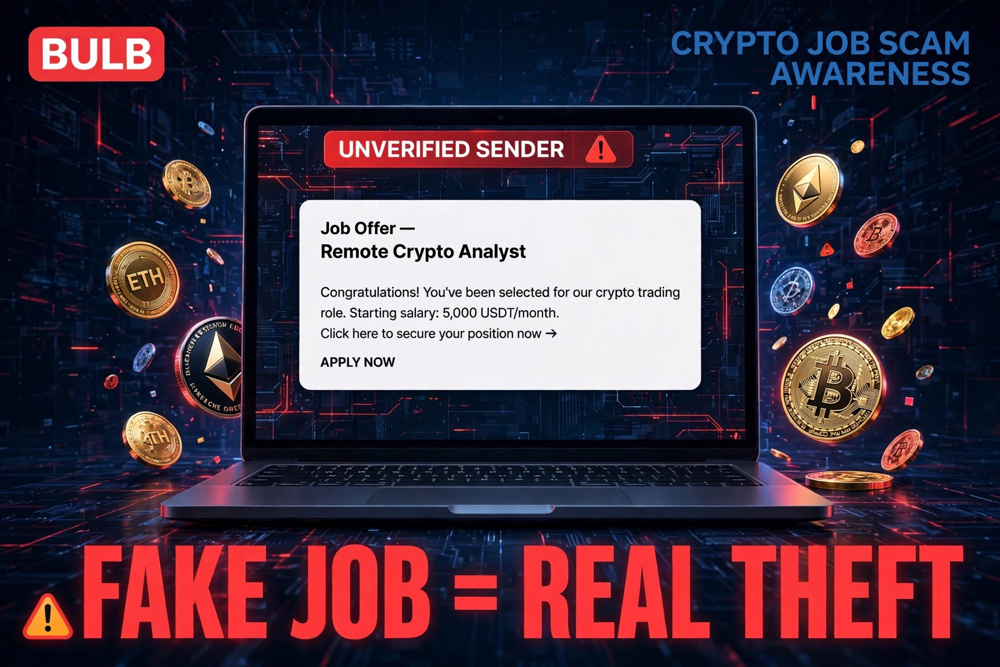
❌ Fake Staking Websites
Scammers often create copy-paste pages that drain wallets.
How to avoid it:
- Always use official project links
- Never search for staking sites on Google
- Bookmark the real site
❌ Exchange Bankruptcy
If you stake on a centralized exchange and it collapses, your funds may vanish.
How to avoid it:
- Stake on-chain when possible
- Don’t store large amounts on exchanges
6. How Much Can You Earn From Staking?
Rewards depend on:
- network inflation
- number of stakers
- validator fees
- token economics
Typical ranges (2025):
- Ethereum: 3%–5%
- Cosmos chains: 12%–20%
- Solana: 7%–8%
- Cardano: 4%–5%
- Polkadot: 12%–18%
High APY is not always better — sometimes it means higher inflation or higher risk.
7. Staking Strategy for Long-Term Safety
If you want to stake safely and earn consistently:
1. Stake only tokens with real utility
Ethereum, SOL, ATOM, ADA, DOT, AVAX — strong networks, strong demand.
2. Diversify validators and protocols
Never stake 100% with one provider.
3. Reinvest rewards (compounding)
Small yields grow massively over time.
4. Keep a liquid emergency fund
Never lock all your crypto.
5. Stay updated on protocol changes
Upgrades can affect rewards, lock periods, or requirements.
Final Thought
Staking isn’t about chasing the highest APY — it’s about building steady, sustainable growth while protecting your future.
In crypto, safety is the real yield.