Ethereum in 2026
Ethereum in 2026: The Network Powering the Future of Finance
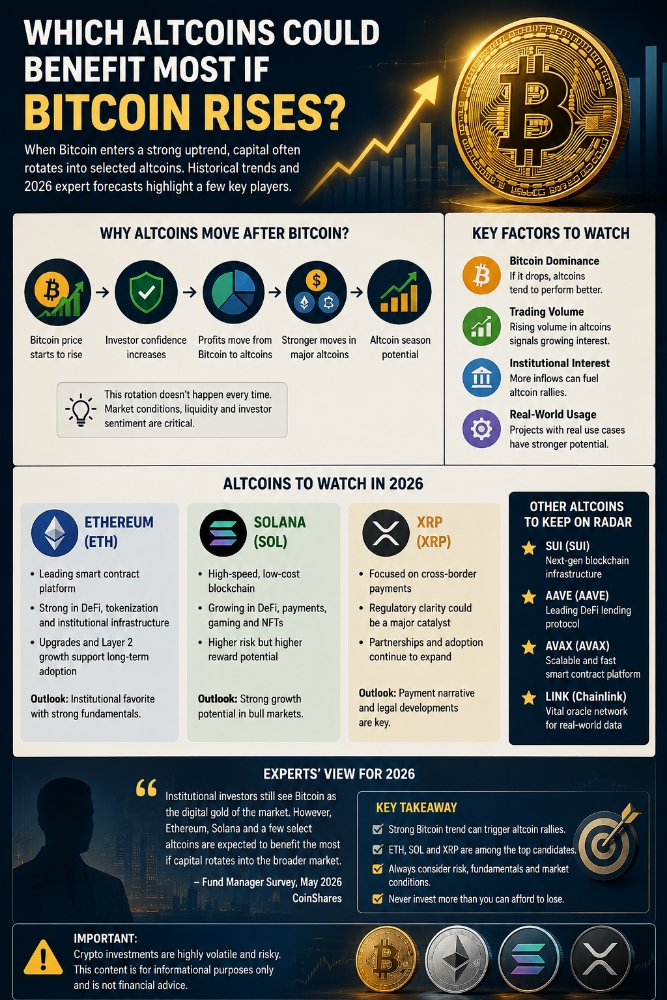
As the crypto market continues to evolve, Ethereum remains at the center of innovation. More than just a digital currency, Ethereum has grown into a global decentralized infrastructure powering finance, gaming, identity systems, and tokenized assets.
What Is Ethereum?
Launched in 2015 by Vitalik Buterin, Ethereum is a blockchain platform that enables developers to build decentralized applications (dApps). Unlike Bitcoin, which primarily functions as digital money, Ethereum introduced smart contracts — self-executing agreements that run automatically when conditions are met.
Its native cryptocurrency, Ether (ETH), is used to pay transaction fees (known as “gas”) and secure the network.
---
Current Market Situation
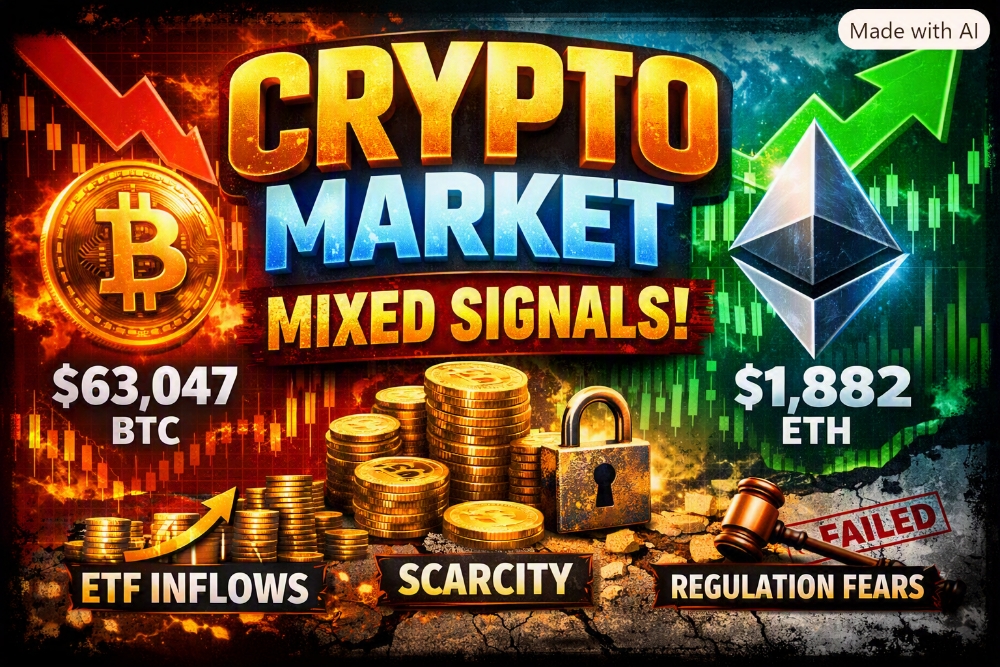
As of early 2026, Ethereum continues to experience price volatility alongside the broader crypto market. Analysts attribute recent movements to:
Institutional adoption and ETF-related developments
Increased Layer-2 scaling solutions
Global regulatory updates
Network upgrades improving efficiency
Market sentiment remains cautiously optimistic, with long-term investors focusing on Ethereum’s utility rather than short-term price swings.
---
The Shift to Proof-of-Stake
One of Ethereum’s most significant milestones was its transition from Proof-of-Work to Proof-of-Stake (PoS), dramatically reducing energy consumption and increasing scalability.
The upgrade, often referred to as “The Merge,” strengthened Ethereum’s long-term sustainability and positioned it as a more environmentally conscious blockchain platform.
---
DeFi, NFTs, and Beyond
Ethereum remains the backbone of:
Decentralized Finance (DeFi) platforms
Non-Fungible Tokens (NFTs) marketplaces
Web3 gaming ecosystems
Tokenized real-world assets
Major decentralized exchanges, lending platforms, and NFT projects continue to build on Ethereum’s ecosystem due to its strong developer community and security.
---
Challenges Ahead
Despite its dominance, Ethereum faces:
High transaction fees during peak usage
Competition from faster blockchains
Regulatory uncertainty in major economies
However, ongoing upgrades and Layer-2 networks aim to address scalability and cost issues.
---
The Bigger Picture
Ethereum is no longer just a cryptocurrency — it is infrastructure. Whether through digital payments, decentralized apps, or tokenized finance, Ethereum continues shaping the future of global technology and finance.
As 2026 unfolds, the key question isn’t whether Ethereum will survive — but how deeply it will integrate into everyday life.