What the Next Decade Could Look Like for Cryptocurrency

What the Next Decade Could Look Like for Cryptocurrency
Introduction
Cryptocurrency has come a long way since Bitcoin was introduced in 2009. What began as an experiment in digital money has evolved into a global financial movement, influencing banking, investing, commerce, and technology. Today, cryptocurrencies are no longer viewed as a niche innovation—they are becoming an integral part of conversations about the future of finance.
As the next decade unfolds, cryptocurrency is expected to undergo significant changes. Advancements in blockchain technology, increased institutional adoption, evolving regulations, and the rise of decentralized applications will shape how digital assets are used worldwide. While challenges remain, the future holds immense potential.
Greater Mainstream Adoption
Over the next ten years, cryptocurrencies are likely to become more accessible to everyday users. Businesses may increasingly accept digital currencies as payment, while financial institutions continue integrating crypto-related services into their offerings.
Improved user interfaces, faster transactions, and lower fees could make cryptocurrencies as easy to use as traditional banking apps. This increased convenience may encourage millions of new users to enter the digital asset ecosystem.
Stronger Government Regulation
Regulation will play a crucial role in shaping the future of cryptocurrency. Governments worldwide are working to establish clearer legal frameworks that protect consumers while encouraging innovation.
Although some fear that regulation could limit decentralization, balanced policies may actually increase trust in the industry. Clear rules could attract more institutional investors and reduce fraudulent activities, making the market more stable.
Growth of Decentralized Finance (DeFi)
Decentralized Finance, commonly known as DeFi, is expected to expand significantly. Instead of relying on traditional banks, users will increasingly borrow, lend, trade, and earn interest directly through blockchain-based platforms.
As DeFi protocols become more secure and user-friendly, they may provide financial services to millions of people who currently lack access to conventional banking systems.
Real-World Asset Tokenization
One of the most promising developments is the tokenization of real-world assets. Real estate, stocks, bonds, artwork, and even intellectual property can be represented digitally on a blockchain.
This innovation could improve liquidity, lower investment barriers, and enable fractional ownership, allowing individuals to invest in assets that were previously accessible only to wealthy investors.
Artificial Intelligence and Cryptocurrency
Artificial intelligence is expected to become closely integrated with the crypto industry. AI-powered tools can help traders analyze markets, detect fraud, optimize blockchain operations, and improve cybersecurity.
Smart contracts may also become more intelligent, enabling automated financial agreements that respond dynamically to changing conditions.
Expansion of Web3
Web3 aims to create a decentralized internet where users own their data and digital identities. Cryptocurrencies will likely serve as the financial backbone of this ecosystem.
As Web3 applications mature, users may earn rewards for participating in online communities, creators may receive direct compensation without intermediaries, and digital ownership could become more common across gaming, entertainment, and social media.
Central Bank Digital Currencies (CBDCs)
Many governments are exploring Central Bank Digital Currencies (CBDCs). Unlike decentralized cryptocurrencies, CBDCs are issued and controlled by central banks.
The coexistence of CBDCs and decentralized cryptocurrencies may reshape global finance, offering consumers more payment options while driving innovation in digital transactions.
Enhanced Security and Scalability
Blockchain developers continue working on solutions that improve transaction speed, reduce costs, and strengthen network security.
Emerging technologies such as Layer-2 scaling solutions, zero-knowledge proofs, and improved consensus mechanisms could enable blockchain networks to process millions of transactions efficiently while maintaining decentralization.
Environmental Sustainability
Environmental concerns surrounding cryptocurrency mining have prompted the industry to adopt greener technologies.
Many blockchain networks are transitioning to energy-efficient consensus mechanisms, while renewable energy is increasingly powering mining operations. Sustainability will likely become a key factor in the long-term success of digital currencies.
Challenges Ahead
Despite its promising future, cryptocurrency still faces several obstacles:
- Regulatory uncertainty in different countries.
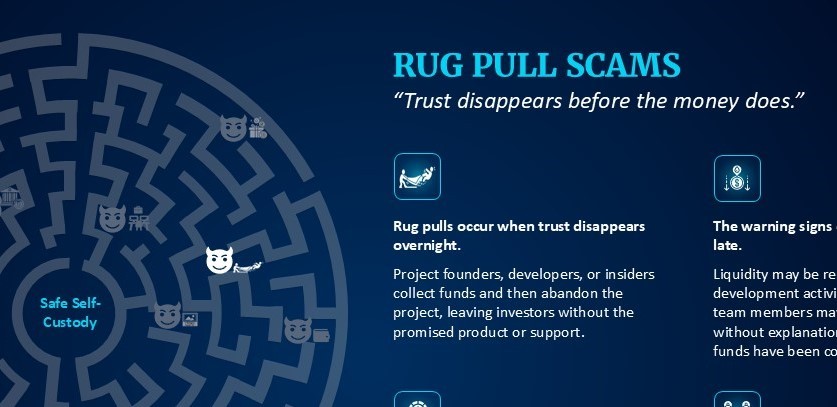
- Cybersecurity threats and scams.
- Market volatility.
- Scalability issues.
- Public education and awareness.
- Balancing privacy with regulatory compliance.
Addressing these challenges will be essential for achieving widespread adoption.
Conclusion
The next decade could mark a defining chapter in the evolution of cryptocurrency. As technology advances and adoption grows, digital assets may become deeply integrated into global finance, commerce, and everyday life. While uncertainty remains, innovation continues to drive the industry forward.
Success will depend not only on technological breakthroughs but also on responsible regulation, stronger security, and broader public understanding.
Whether as an investment, a payment system, or the foundation of decentralized applications, cryptocurrency is poised to play an increasingly important role in shaping the future of the digital economy.