Neck and Shoulder Pain: Warning Signs, Causes, and Effective Treatments

(A Practical Guide Combining Modern Care and Traditional Eastern Medicine)
Neck and shoulder pain is one of the most common health issues in modern life, especially among people who work long hours at a desk, use smartphones frequently, or experience prolonged stress. While many people consider it a minor discomfort, persistent neck and shoulder pain can be an early warning sign of more serious musculoskeletal or nerve-related conditions.
This article will help you understand the early signs, common causes, effective treatments, and traditional Eastern medicine remedies for neck and shoulder pain.
1. Common Signs of Neck and Shoulder Pain


 Neck and shoulder pain does not appear the same in everyone. Common symptoms include:
- Persistent stiffness in the neck, especially in the morning
- Pain spreading from the neck to the shoulders, upper back, or arms
- Limited range of motion when turning the head
- Muscle tightness or a heavy sensation around the shoulders
- Tingling, numbness, or weakness in the arms or fingers
- Headaches originating from the back of the neck
- Pain that worsens after long periods of sitting or using electronic devices
If these symptoms last for weeks or become more intense, they should not be ignored.
2. Main Causes of Neck and Shoulder Pain
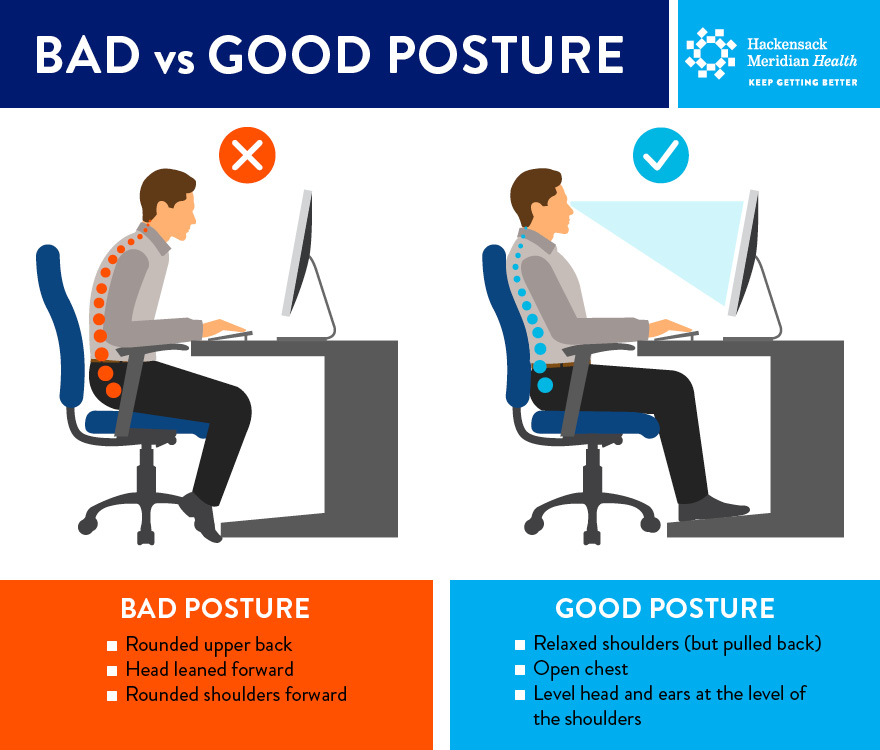

 Some of the most common causes include:
• Poor Posture
Sitting with a forward head posture, slouching, or improper desk setup puts continuous strain on the neck and shoulder muscles.
• Muscle Overuse and Tension
Repeated movements, heavy lifting, or sleeping in an incorrect position can lead to muscle fatigue and inflammation.
• Stress and Anxiety
Emotional stress often causes unconscious muscle tightening, especially in the neck and shoulders.
• Cervical Spine Degeneration
Conditions such as cervical spondylosis or disc degeneration may compress nerves, causing chronic pain and numbness.
3. Modern Treatment Approaches


 Modern medicine focuses on relieving pain, reducing inflammation, and restoring mobility:
- Rest and posture correction to reduce strain
- Physical therapy with stretching and strengthening exercises
- Heat or cold therapy to relax muscles and reduce inflammation
- Pain-relief medication (used cautiously and short-term)
- Lifestyle adjustments, including ergonomic workspace setup
These methods are effective, especially in the early stages.
4. Traditional Eastern Medicine Perspective


Common Eastern Therapies:
- Acupuncture to improve energy flow and reduce nerve compression
- Cupping therapy to release muscle tension and toxins
- Gua Sha to stimulate blood circulation
- Herbal remedies to reduce inflammation and nourish muscles and joints
5. Popular Herbal Remedies for Neck and Shoulder Pain
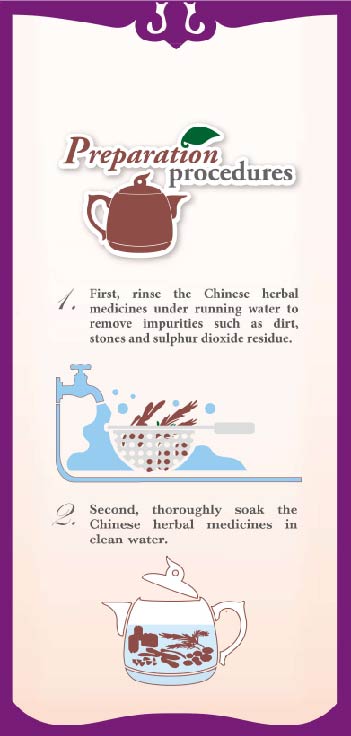

 Some commonly used herbal ingredients include:
- Angelica Sinensis (Dong Quai) – improves blood circulation
- Cinnamon Twig – warms the body and relieves muscle stiffness
- Ginger Root – reduces inflammation and improves circulation
- Turmeric – supports joint health and reduces pain
These herbs are often prepared as teas, decoctions, or herbal compresses applied directly to the affected area.
6. Prevention and Daily Care Tips
- Maintain correct posture when sitting and working
- Take short breaks every 30–60 minutes
- Perform gentle neck and shoulder stretches daily
- Keep the neck warm, especially in cold environments
- Manage stress through breathing exercises or meditation
Conclusion
Neck and shoulder pain should not be underestimated. Early recognition and proper treatment can prevent chronic conditions and improve quality of life. Combining modern medical care with traditional Eastern remedies offers a holistic approach that addresses both symptoms and root causes.
If you experience persistent pain, consult a healthcare professional to determine the most suitable treatment plan for your condition.
blog here ;https://gocdongygiatruyen.blogspot.com/