How One Unexpected Jail Visit Changed What I Think About Prison—and People

Back in 2016, something I experienced still haunts me. I had a girl friend from a contract job we shared. She lived with her partner, no kids yet, and one lunchtime, she asked me to accompany her to the jail. She wanted to deliver something to a friend who was incarcerated.
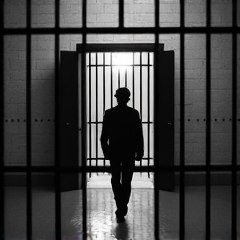
I hesitated immediately. This wasn’t a casual errand to the store or market. I asked if we were visiting the police station, and she said no—it was the prison itself. Despite my hesitation, I went with her.
When we arrived and walked inside, I didn’t anticipate the prison being right there, just to the right side of the entryway. A handful of prisoners—no more than five—were visible. Directly in front of the prison door sat a police officer’s desk, underscoring the stark atmosphere.
I followed her inside, taking only a few steps behind, and suddenly I was face-to-face with the prison cell. She handed an SD card to a man she called her friend, someone roughly her age. Then my gaze drifted left—and locked with a bald male prisoner, likely in his 40s or 50s, who was staring intently at me. A wave of discomfort and vulnerability washed over me in that instant.
Inside, regret crept in fast. I thought, “Why did I even step in? I should’ve stayed outside.” The air felt heavy with unspoken stories and invisible lines drawn between ‘insiders’ and ‘outsiders’.
That moment still makes me cringe. Growing up, my parents and relatives often talked about prison. My uncle was once imprisoned despite being innocent, a victim of circumstances involving friends and bad decisions. My father, especially, warned me that for young people—especially women—it’s risky and unwise to visit prisons or interact with prisoners. He told me that sometimes prisoners seek out people they recognized once they’re released, which unsettled me even more.
Understanding the Prison Experience—Behind the Bars and Beyond
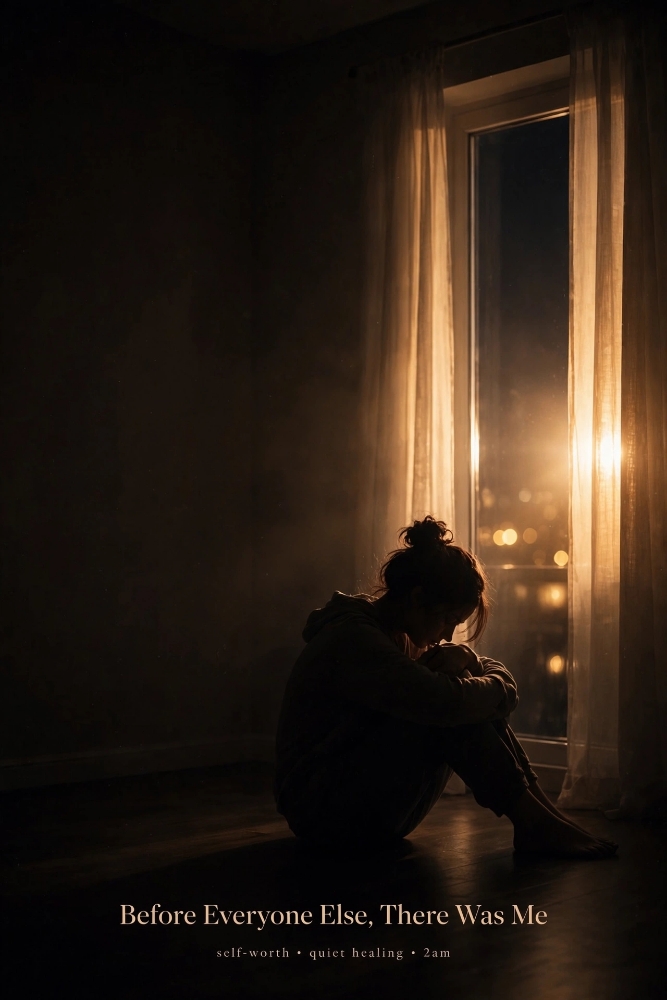
Prisons are more than locked doors—they’re emotionally heavy places where people survive by building walls around themselves. Research shows prisoners often develop an emotional “mask” to avoid vulnerability, making true connection rare and difficult inside. That sense of alienation can create deep psychological pain that lasts long after release.
Studies find prisoners who don’t get visits from family and friends suffer loneliness and depression much more deeply. Visits help reduce anxiety, improve mood, and even encourage better behavior inside. But visiting can be complicated—security measures and emotional tension can make these encounters stressful for both prisoners and visitors.
For prisoners, separation from loved ones is often the most painful part of incarceration. Parents separated from children feel intense guilt and anxiety. Visitors, meanwhile, face discomfort and safety concerns, much like I did that day.
📚 Lessons I Took Away—and Why Boundaries Matter
That brief visit was a crash course in why prisons carry such weight beyond just containment. It reminded me there are real risks and emotional costs involved in entering those spaces.
From this experience and the wisdom passed down from family, I learned boundaries are important. It’s okay to say no—even when someone asks you to follow them somewhere that feels off. Protecting your own peace and safety is priority number one.
At the same time, it taught me compassion. People behind bars are often caught in stories complicated by pain, regret, and survival instincts. It’s a reminder that empathy is crucial but must be balanced with caution.
📚 Final Thoughts
Prisons don’t just hold people—they hold stories, trauma, and fractured connections. Visiting one, even momentarily, reveals how fragile those human ties really are and how our own experiences intersect with larger social realities.
That day made me see that sometimes preserving peace means keeping doors closed, even to friends. But it also deepened my understanding of the unseen struggles prisoners face daily—a life shadowed by isolation, longing, and the hope for connection.
You've come this far. May the Divine Grace be upon you. ♥
If you have some spare time to review my other pieces of writing, I would greatly appreciate your support and I thank you in advance.
The Echoes of Disappointment: A Family's Unresolved Conflicts
My Body, My Choice: Why I Won't Become a Mother
The Commute's Over: My Life After Ditching the Daily Grind
Beyond Cramps: Uncovering the Causes of My Intense Menstrual Pain