Bull Trap or Breakout . What Is Really Happening in Today’s Crypto Market
A breakout is not just about price moving up. It is about structure. For a genuine breakout, the market must reclaim major resistance levels and sustain them with strong volume and follow-through buying. Breakouts are confirmed when higher highs and higher lows form consistently across timeframes. They are supported by confidence, capital inflows, and broad participation beyond just Bitcoin.
A bull trap, on the other hand, is deceptive strength. It pulls traders in with sudden upward movement, triggers breakout entries, and then quickly reverses. Bull traps often happen in markets dominated by fear or uncertainty. Price spikes above resistance, but without sustained volume or strong continuation. When momentum fades, sellers regain control, and late buyers are left exposed.
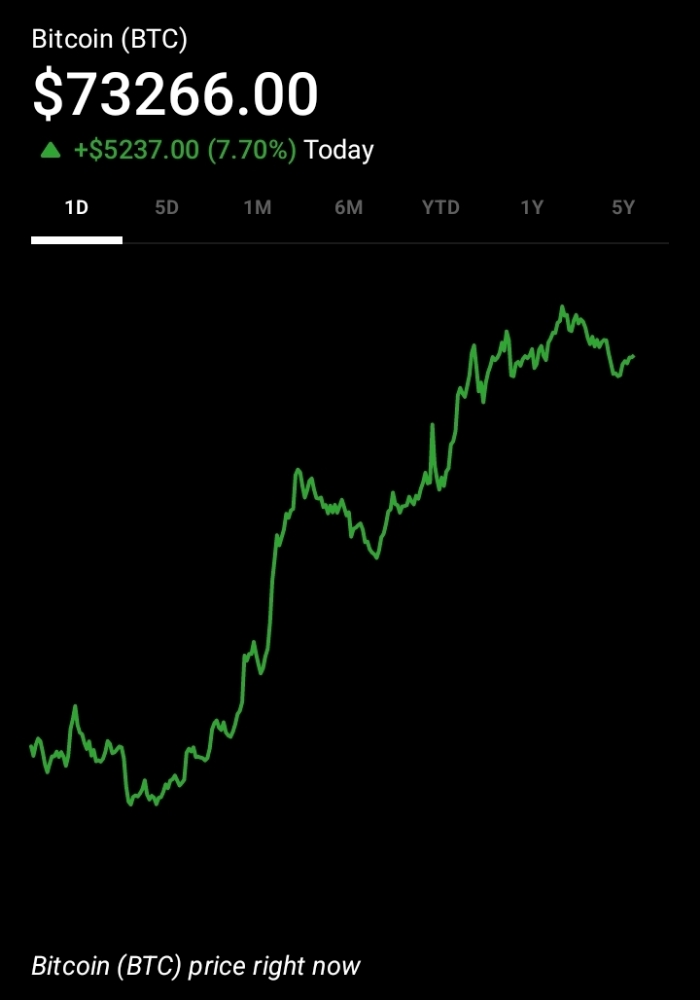
Right now, the market structure shows signs of recovery. Bitcoin has defended important support levels and reclaimed short-term resistance. Ethereum is following with steady gains. These are constructive signals. However, broader sentiment indicators still reflect hesitation. Many traders remain defensive, and macroeconomic uncertainties continue to weigh on confidence.
Volume is improving, but it is not explosive. That matters. Strong breakouts are usually accompanied by decisive volume expansion. Without that, upward moves risk becoming temporary relief rallies rather than structural trend shifts.
Another key factor is market breadth. A sustainable bull phase requires participation from large-cap and mid-cap assets. If only a few major coins are rising while the rest of the market remains weak, that imbalance can limit upside continuation. Broad participation signals real capital rotation and stronger conviction.
Institutional behavior is also critical. When long-term holders accumulate and ETF flows remain positive, it strengthens the breakout thesis. If those flows slow down while retail enthusiasm spikes prematurely, the risk of a trap increases.
So how should traders approach this environment?
First, avoid emotional entries. Let confirmation guide decisions. Breakouts should hold above key levels for multiple sessions, not just hours. Second, manage risk properly. Use defined invalidation levels instead of assuming continuation. Third, observe volume and momentum together. Price without volume is fragile.
The market today is at a decision point. The structure is improving, but conviction is still forming. Whether this becomes a sustained breakout or fades into another correction depends on follow-through strength in the coming sessions.
This is not a time for blind optimism or extreme pessimism. It is a time for disciplined observation.
The real question now is not whether the market is moving. It is whether the move has depth, strength, and staying power.