How Institutional Investors in the United States Are Driving Crypto Coin Adoption
The cryptocurrency ecosystem has entered a new phase of maturity as institutional investors increasingly integrate digital assets into traditional financial portfolios. What once began as a niche technological experiment has evolved into a sophisticated asset class attracting hedge funds, asset managers, pension funds, and family offices across the United States. Institutional participation has significantly accelerated the legitimacy, liquidity, and infrastructure surrounding digital assets.
Institutional capital has played a decisive role in transforming cryptocurrencies from speculative instruments into institutional-grade financial products. By integrating blockchain-based assets into conventional financial frameworks, large investors are reshaping market dynamics and accelerating global adoption of crypto coins.
Recent industry data highlights the magnitude of this transformation. Surveys indicate that a significant share of institutional investors intend to allocate more than 5% of their assets under management to digital assets, reflecting growing confidence in the long-term viability of blockchain-based financial systems.
The Evolution of Institutional Participation in Crypto Markets
Institutional investors historically approached cryptocurrencies with skepticism due to concerns about volatility, regulatory ambiguity, and operational risk. However, the financial ecosystem surrounding digital assets has matured considerably over the past decade.
Several developments have encouraged institutional engagement:
• Regulatory clarity – The gradual establishment of regulatory frameworks for digital assets has reduced legal uncertainty and enabled compliance-oriented investment strategies.
• Market infrastructure improvements – Institutional-grade custody services, regulated exchanges, and derivative instruments have made digital asset exposure operationally feasible.
• Diversification benefits – Portfolio managers increasingly view cryptocurrencies as non-correlated assets capable of improving risk-adjusted returns.
• ETF accessibility – The introduction of cryptocurrency exchange-traded funds in the United States has simplified institutional entry into digital asset markets.
The United States now plays a dominant role in the institutional crypto landscape. According to industry analyses, the country accounts for a significant share of global crypto transaction activity and has become a central hub for digital asset investment.
As institutional investors integrate digital assets into portfolio allocation models, the cryptocurrency ecosystem is transitioning from speculative trading toward structured financial adoption.
Key Institutional Players Accelerating Crypto Adoption
Large financial institutions and corporate entities have significantly influenced the credibility of the crypto market. Their participation provides market validation and signals confidence in blockchain technology.
• Asset management firms – Global asset managers have introduced crypto investment funds and exchange-traded products that allow traditional investors to gain exposure to digital assets.
• Hedge funds and venture capital firms – These investors actively fund blockchain startups and decentralized finance infrastructure.
• Corporate treasury allocations – Some publicly traded companies allocate portions of their balance sheets to cryptocurrencies as strategic reserves.
• Family offices and wealth managers – High-net-worth investment vehicles are increasingly diversifying portfolios with digital assets.
Research indicates that nearly half of U.S. family offices now hold digital assets directly, illustrating how institutional adoption is expanding beyond early technology-focused investors into broader financial circles.
Institutional involvement also encourages stronger governance frameworks, risk management protocols, and compliance mechanisms within crypto ecosystems.
Institutional Capital and Market Liquidity Dynamics
One of the most significant impacts of institutional participation is the improvement in market liquidity and trading efficiency. Large capital inflows increase trading volume, stabilize price discovery mechanisms, and reduce market fragmentation.
Institutional investors contribute to crypto market development in several ways:
• Higher liquidity provision – Institutional trading desks introduce large-scale capital flows that deepen order books across exchanges.
• Price discovery mechanisms – Professional trading strategies and arbitrage models help reduce price inefficiencies across markets.
• Derivatives and hedging instruments – Futures, options, and structured products enable sophisticated risk management.
• Integration with traditional finance (TradFi) – Crypto assets increasingly interact with traditional financial infrastructure such as custody banks and regulated exchanges.
These developments create a feedback loop in which institutional participation improves market stability, encouraging further adoption from both institutional and retail participants.
As a result, digital assets are gradually transitioning toward mainstream financial integration.
Emerging Trends Shaping Institutional Crypto Strategies
Institutional strategies for digital asset investment continue to evolve as the ecosystem expands. Several emerging trends are influencing how institutions approach cryptocurrency exposure.
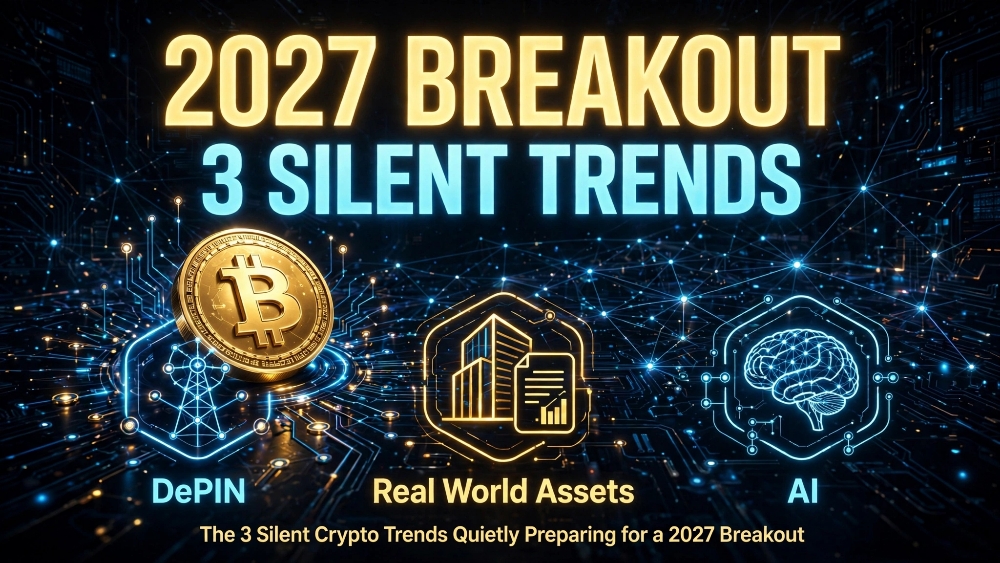
First, tokenization of real-world assets is gaining traction among institutional investors seeking to digitize traditional financial instruments such as bonds, equities, and commodities on blockchain networks.
Second, stablecoins and blockchain settlement systems are attracting institutional interest due to their potential to streamline cross-border payments and reduce settlement friction in global finance.
Third, sustainability-driven blockchain innovation is becoming increasingly relevant. New initiatives are exploring Green Energy Crypto Coins that integrate renewable energy frameworks with decentralized networks, addressing environmental concerns surrounding blockchain infrastructure.
Finally, the growing demand for digital asset infrastructure has stimulated the development of specialized technical ecosystems, including custody providers, compliance platforms, and crypto coin development services that support the creation and management of new digital assets.
These developments demonstrate how institutional investment extends beyond simple asset allocation and increasingly shapes the technological architecture of the blockchain economy.
Conclusion
Institutional investors in the United States are playing a pivotal role in driving crypto coin adoption and transforming the broader financial ecosystem. Through large-scale capital allocations, improved market infrastructure, and regulatory engagement, institutions have accelerated the transition of cryptocurrencies from speculative assets to recognized components of global financial markets.
As institutional involvement continues to expand, the digital asset landscape will likely experience greater market stability, technological innovation, and integration with traditional financial systems. This shift represents a critical stage in the evolution of blockchain-based finance, where institutional participation acts as a catalyst for long-term adoption and systemic transformation.