The Chernobyl disaster - 40 years of radiation.

The Chernobyl nuclear disaster is regarded as the worst atomic accident in human history. It occurred on April 26, 1986, at the Chernobyl Nuclear Power Plant near the town of Pripyat in what was then the Ukrainian Soviet Socialist Republic, part of the USSR. The catastrophe reshaped global attitudes toward nuclear energy and exposed deep flaws in technological management, political secrecy, and human decision-making.
40 years ago , The Chernobyl plant consisted of four RBMK-1000 nuclear reactors, a Soviet-designed model used widely across the USSR. These reactors were intended to generate electricity efficiently but had inherent design weaknesses, particularly at low power levels. On the night of the disaster, Reactor No. 4 was scheduled for a safety test to determine whether turbines could provide emergency power during a shutdown.
On April 25–26, operators began reducing reactor power for the test. Due to poor planning, delays, and pressure to complete the test, several critical safety systems were intentionally disabled. As the reactor power dropped dangerously low, operators attempted to raise it manually, violating operational protocols.
At 1:23 a.m., a sudden power surge occurred. The RBMK reactor’s flawed design caused an uncontrollable reaction. Two massive explosions followed, blowing the reactor core apart and exposing it to the atmosphere. A graphite fire ignited, releasing enormous amounts of radioactive material into the air. Unlike other nuclear accidents, Chernobyl had no containment structure, allowing radiation to spread freely across Europe.
What and why happened.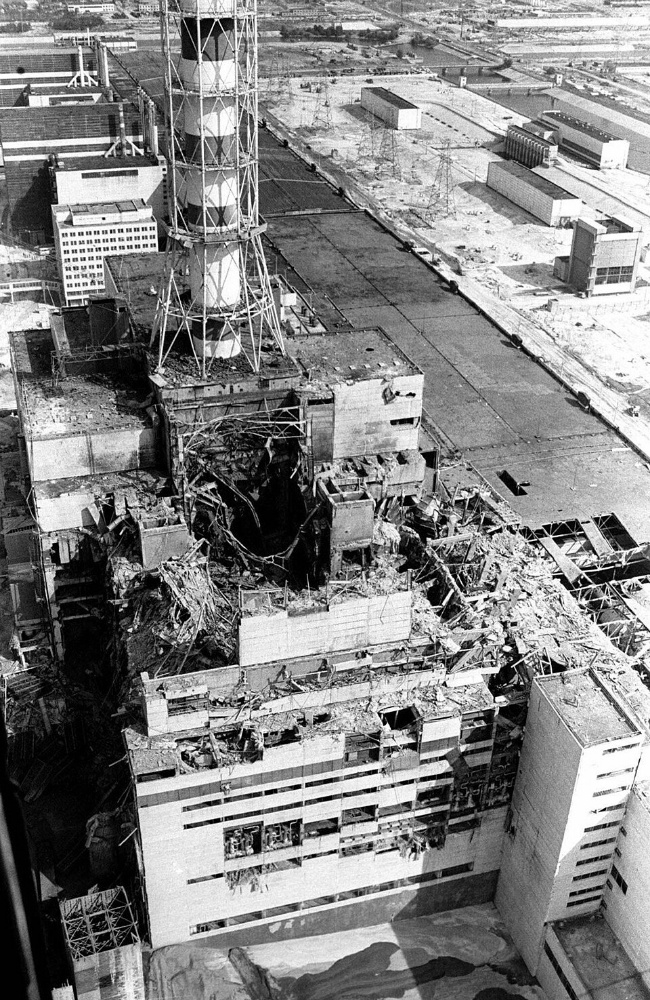
✍️Design flaws in the RBMK reactor, especially its instability at low power.
✍️Human error, including violation of safety procedures.
✍️Inadequate training of operators.
✍️Poor safety culture within the Soviet nuclear industry.
✍️Political pressure to meet deadlines without questioning authority.
✍️No single mistake caused Chernobyl , it was the result of a catastrophic chain of failures.
Eyewitnesses described blinding blue light, intense heat, and a metallic taste in the air. Firefighters were among the first responders, unaware they were battling radioactive flames. Many received lethal radiation doses within hours.
Residents of Pripyat were not evacuated until 36 hours later. Witnesses recall children playing outside while radioactive dust settled silently around them. One survivor said, “We did not see the radiation, but we felt its presence through sickness and fear.”
Impact and Effects even after 40 years.
The immediate impact was devastating. Two workers died instantly, and 28 emergency responders died within weeks from acute radiation sickness. Long-term effects include increased cases of thyroid cancer, especially among children, and psychological trauma among displaced populations.
An Exclusion Zone of 30 kilometers remains largely uninhabited. Wildlife has returned, but radiation persists in soil, water, and forests. The damaged reactor was sealed under a concrete sarcophagus, later replaced by a massive New Safe Confinement structure in 2016.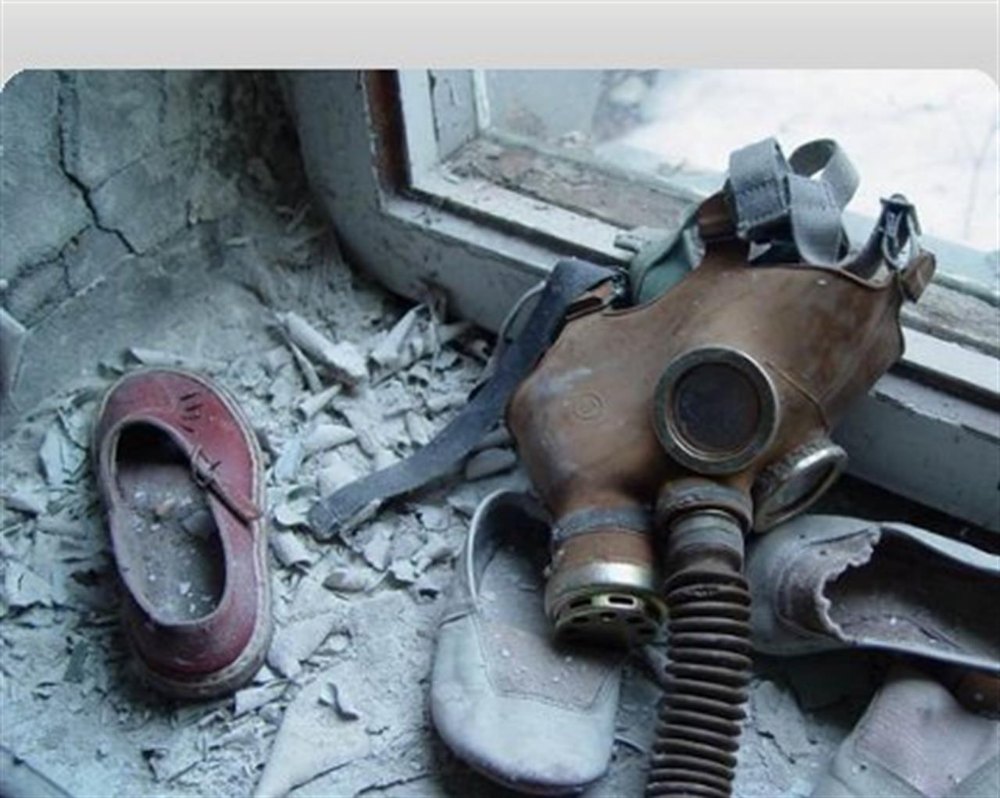
In Chernobyl incident, Responsibility is shared. Reactor operators were blamed initially, and several were imprisoned. However, later investigations revealed that Soviet authorities, reactor designers, and systemic secrecy played a larger role. The government suppressed information, delayed evacuation, and ignored known reactor risks. The disaster exposed how authoritarian systems can magnify technological dangers.
Chernobyl taught the world critical lessons.
✍️Safety must never be compromised, even during routine tests.
✍️Transparent communication is essential during emergencies.
✍️Independent oversight is necessary in nuclear operations.
✍️Human factors are as important as technology.
✍️Nuclear power demands a strong safety culture, not blind obedience.
✍️Modern reactors are now designed with multiple fail safe systems, and international cooperation on nuclear safety has significantly improved.
Conclusion.
Chernobyl was not just a nuclear accident , it was a human, political, and ethical failure. Its lessons remain relevant today as the world debates energy needs and climate solutions. Remembering Chernobyl is essential to ensure that such a disaster is never repeated.
Thanks for your valuable time till here, like, upvote and leave comment for feedback.
Note: The article also published on my read.cash wall .
Cheers,
Amjad.
Tangled| Sidra