Understanding Stablecoin: A Pillar of Digital Finance Evolution
In the rapidly evolving landscape of digital assets, stablecoin has emerged as a foundational innovation bridging traditional finance and decentralized ecosystems. Unlike volatile cryptocurrencies such as Bitcoin or Ether, a stablecoin is engineered to maintain price stability by pegging its value to a reserve of assets such as fiat currencies, commodities, or algorithmic mechanisms. This stability makes it a compelling medium of exchange, store of value, and unit of account in global crypto markets.
What Makes Stablecoins Unique?
At its core, a stablecoin mitigates price volatility—a critical challenge for broader adoption of blockchain-based financial applications. Traditional cryptocurrencies can swing dramatically in value, undermining their utility for everyday transactions. Stablecoins, however, deliver predictability through engineered stability frameworks:
- Fiat-Collateralized: Backed 1:1 by government currencies (e.g., USD), frequently audited and held in secure reserves.
- Crypto-Collateralized: Over-collateralized with other digital assets and governed by smart contracts to ensure solvency.
- Algorithmic: Using supply-adjustment protocols to self-balance price without centralized reserves.
This layered architecture isn’t just about price anchoring—it signals a paradigm shift toward programmable money that combines blockchain transparency with economic predictability.
Use Cases Driving Stablecoin Adoption
The appeal of stablecoins lies in their versatility across multiple financial sectors:
Cross-Border Payments
Stablecoins accelerate international remittances with near-instant settlement times and lower transaction costs compared to legacy banking rails. Users can bypass traditional intermediaries while preserving value against fiat fluctuations.
Decentralized Finance (DeFi)
In DeFi ecosystems, stablecoins serve as the backbone for lending, borrowing, liquidity provisioning, and yield farming. Their price stability reduces counterparty risk and enables scalable financial engineering.
E-Commerce and Daily Transactions
Merchants and consumers benefit from stablecoin transactions that avoid traditional payment processing fees and latency. Stablecoins are increasingly integrated into digital wallets and point-of-sale systems, expanding financial inclusion.
Security and Regulatory Considerations
While stablecoins present substantial utility, they also introduce challenges in compliance and risk management. Regulators across jurisdictions are scrutinizing reserve transparency, audit practices, and anti-money laundering (AML) controls. A robust stablecoin framework must incorporate:
- On-Chain Audits: Real-time visibility into circulating supply and reserve backing.
- Governance Protocols: Transparent controls to enforce reserve health and operational integrity.
- Regulatory Alignment: Engagement with financial authorities to ensure compliance with KYC/AML standards.
This convergence of technological rigor and regulatory compliance is pivotal for institutional trust and mainstream adoption.
Economic Impacts of Stablecoins
The macroeconomic implications of stablecoins are profound. By facilitating efficient liquidity flows, they can reduce friction in capital markets and contribute to financial globalization. However, widespread use of stablecoins pegged to a single nation’s currency may impact monetary policy transmission, liquidity channels, and banking deposit dynamics. Policymakers are therefore balancing innovation with systemic safeguards.
Technological Foundations Behind Stablecoin Networks
The backbone of stablecoin utility lies in distributed ledger technology (DLT). Features such as immutability, cryptographic security, and decentralized consensus mechanisms ensure:
- Transparent Settlement: Transactions are recorded on public ledgers, enhancing auditability.
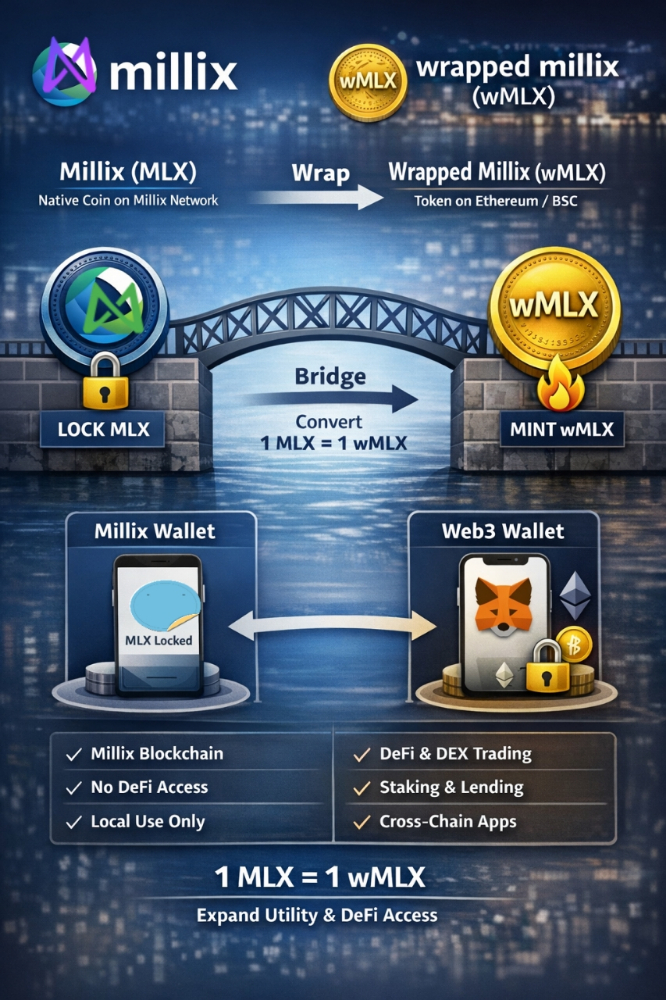
- Interoperability: Cross-chain bridges and token standards (e.g., ERC-20) enable seamless integration across multiple blockchain platforms.
- Smart Contract Automation: Protocol logic governs reserve management, issuance, and redemption without centralized bottlenecks.
These elements collectively underpin a resilient and scalable stablecoin ecosystem.
Integrating Stablecoin Services in Your Business
For enterprises exploring digital asset integration, stablecoins offer a gateway to programmable payment solutions and tokenized economic models. Leveraging professional stablecoin development solutions can help organizations build compliant, scalable, and secure stablecoin infrastructures tailored to their use cases.
Whether launching a payment gateway, issuing a branded stablecoin, or incorporating digital asset treasury management, collaboration with expert developers accelerates time to market.
Additionally, ensuring secure asset-handling interfaces is crucial. Employing certified Stablecoin Wallet Development enhances user confidence and protects funds within your ecosystem.
Future Outlook of Stablecoins
The trajectory of stablecoin adoption suggests that it will become an integral component of both centralized finance (CeFi) and decentralized finance (DeFi). With improving regulatory clarity, expanding institutional participation, and technological maturation, stablecoins are well positioned to redefine digital finance norms.