Web3 Is Rewriting the Rules — and Most People Haven’t Noticed Yet
Every major shift in human history begins quietly. By the time the noise becomes loud, the biggest opportunities are already gone. Web3 is at that quiet stage right now.
Most people still think Web3 is about quick profits, meme coins, and speculation. That surface-level view misses the real transformation happening underneath. Web3 is not primarily a financial upgrade — it is a structural change in how power, value, and trust are distributed.
In the Web2 world, platforms sit at the center of everything. They own the data, control the algorithms, and decide who is visible and who is not. Creators build audiences, but they don’t own them. Communities generate value, but they don’t capture it. Users provide attention, but they are rarely rewarded for it.
Web3 challenges this model.
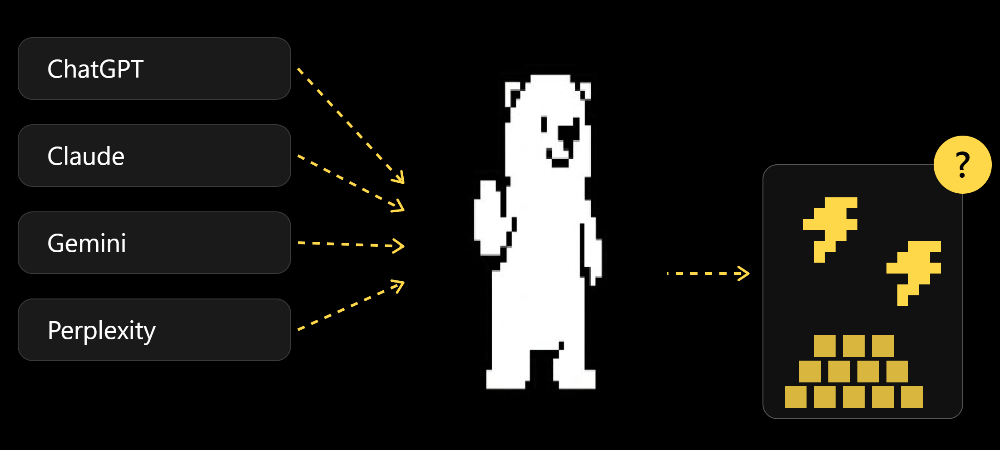
At its core, Web3 introduces ownership at the protocol level. Instead of trusting centralized entities, users interact through transparent systems where rules are enforced by code, not corporations. Your identity becomes portable. Your contributions become measurable. Your participation becomes valuable.
This matters deeply for creators. For the first time, time spent creating, engaging, and building community can translate into real digital equity. You are no longer just chasing likes or impressions — you are accumulating stake. That changes incentives. It rewards consistency, originality, and long-term thinking.
For communities, Web3 removes intermediaries. Value can flow directly between participants without being diluted by gatekeepers. That creates stronger alignment, deeper loyalty, and more resilient networks. Communities stop being products and start becoming owners.
Of course, Web3 is far from perfect. User experience is still clunky. Scams exist. Speculation often overshadows substance. But every foundational technology passes through this phase. The early internet was slow, ugly, and chaotic — yet it reshaped the world.
The real risk is not that Web3 fails.
The real risk is watching it succeed from the sidelines.
This moment is especially important for regions that were excluded from previous technological revolutions. Web3 lowers barriers that once seemed permanent. You don’t need institutional permission, elite connections, or physical proximity. Participation is global by default.
But opportunity alone is not enough. Adoption requires mindset. Ownership requires responsibility. Decentralization only works when people actively contribute rather than passively consume.
The future of Web3 will not be decided solely by developers or investors. It will be shaped by users who show up early, experiment, make mistakes, and build anyway.
History does not reward those who wait for certainty.
It rewards those who recognize change while it is still uncomfortable.
👉 Do you believe Web3 will truly redistribute power, or will it eventually mirror the systems it was meant to replace?