Common Challenges in Crypto Token Development and How to Overcome Them

Crypto token development has become a central component of modern blockchain innovation, enabling new financial models, decentralized ecosystems, and digital ownership. However, creating a secure, functional, and scalable token is more complex than it may appear. From technical hurdles to regulatory concerns, developers must navigate a range of challenges to bring a successful token project to life. Below are some of the most common challenges in crypto token development—and practical strategies to overcome them.
1. Ensuring Smart Contract Security
One of the greatest risks in token development is the potential for smart contract vulnerabilities. Flaws in contract logic can lead to exploits, hacks, or permanent loss of funds. Issues such as re-entrancy attacks, integer overflow/underflow, and faulty access control mechanisms are among the most common.
How to overcome it:
- Conduct multiple rounds of internal code reviews.
- Use automated code-analysis tools that detect known vulnerabilities.
- Hire reputable third-party auditors before launch.
- Implement bug bounty programs to incentivize community testing.
- Robust security practices not only protect user assets but also build credibility for the token project.
2. Choosing the Right Blockchain Platform
Different blockchains offer varying trade-offs in terms of transaction speed, gas fees, scalability, and development flexibility. Many projects default to Ethereum due to its ecosystem, but high gas fees or network congestion can become limiting factors. Newer platforms like Binance Smart Chain, Solana, Polygon, and Avalanche each have unique advantages.
How to overcome it:
- Assess the token’s purpose: governance, payments, utility, staking, etc.
- Evaluate network performance, interoperability, and security records.
- Consider cross-chain capabilities for future scalability.
- Analyze development costs and community support.
- A well-chosen blockchain ensures long-term sustainability and usability.
3. Regulatory and Compliance Uncertainty
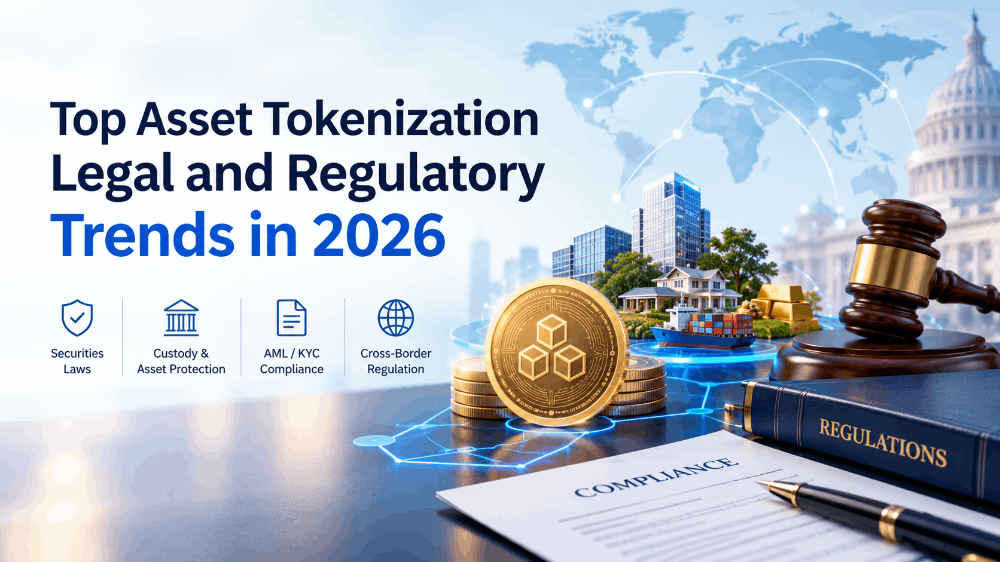
Crypto regulations vary widely across jurisdictions and change frequently. Tokens may unintentionally fall under securities laws or require KYC/AML compliance depending on their functionality and distribution model. Regulatory missteps can result in legal penalties or restrictions on token use.
How to overcome it:
- Seek legal counsel that specializes in digital assets.
- Understand whether the token is categorized as a utility, security, or payment token.
- Implement transparent tokenomics and clear documentation.
- Stay updated on evolving regulations in major markets such as the U.S., EU, and Asia.
- Proactive compliance helps minimize risk and attract institutional participation.
4. Building Sustainable Tokenomics
Poorly designed token economics can undermine a project’s stability. Issues such as inflationary supply, unclear utility, excessive developer allocation, or weak incentives can lead to price volatility and loss of community trust.
How to overcome it:
- Define a clear token utility that aligns with project goals.
- Choose a balanced supply model (fixed, deflationary, or emission-based).
- Ensure transparent allocation for team, investors, and community.
- Incorporate staking, governance, or rewards mechanisms that encourage long-term holding.
- Sustainable tokenomics support ecosystem growth and investor confidence.
5. Managing Scalability and Network Performance
A token project can struggle if the underlying blockchain becomes congested. Slow transaction times and high fees negatively impact user experience, especially for high-volume decentralized applications.
How to overcome it:
- Optimize smart contract design for gas efficiency.
- Consider Layer-2 scaling solutions like Polygon, Arbitrum, or Optimism.
- Explore cross-chain bridges to distribute load across networks.
- Plan for future upgrades as the ecosystem grows.
- Scalability planning ensures your token remains fast, affordable, and reliable.
6. Achieving User Adoption and Liquidity
Even a well-built token can fail without real adoption. New tokens often struggle with low liquidity, limited exchange listings, and lack of community engagement.
How to overcome it:
- Build strong community channels on platforms like Telegram, Discord, and X.
- Use liquidity-provision strategies on decentralized exchanges.
- Partner with influencers, launchpads, and reputable ecosystem projects.
- Deliver transparent roadmaps and consistent updates.
Adoption requires continuous community building and real product utility—not just hype
Why You Should Partner With a Crypto Token Development Company?
Navigating the complexities of crypto token development—from smart contract security and regulatory compliance to scalable architecture and sustainable tokenomics—can be overwhelming without the right expertise. Each stage requires specialized knowledge, rigorous testing, and strategic planning to ensure the token performs reliably and remains compliant in a constantly evolving industry.
Partnering with a professional crypto token development company gives you access to experienced blockchain architects, auditors, and compliance specialists who understand the nuances of building secure, scalable, and future-ready tokens. These experts help you avoid costly mistakes, accelerate development timelines, and ensure your token aligns with both technical and market expectations.
By leveraging their proven frameworks, advanced tools, and industry best practices, you can focus on your project’s vision while ensuring your token is built on a solid foundation. Whether you're launching a utility token, security token, governance token, or a full ecosystem, the right development partner can transform your idea into a successful, high-performing digital asset.