The Genetic Rosetta Stone: How the Fly Built Modern Science

Find out what the buzz is all about https://www.bulbapp.io/p/8471b7c9-2247-4428-b3c7-935888e701f4/the-buzz-in-the-boardroom-bizzfly?s_id=f88c6878-6c6b-41bf-b3b2-730f48d06bf9 $BIZZFLY #memecoins #aiagents
The order Diptera, commonly known as the "true flies," represents one of the most successful and ecologically pivotal lineages in the animal kingdom. While often dismissed as mere pests, flies occupy a singular space in the human imagination and scientific progress, serving as both vectors of disease and essential pollinators. At $BIZZFLY, we recognize that to understand the future of any enterprise—including decentralized ones—we must first understand the biological blueprint that has allowed the fly to colonize virtually every habitat on Earth.
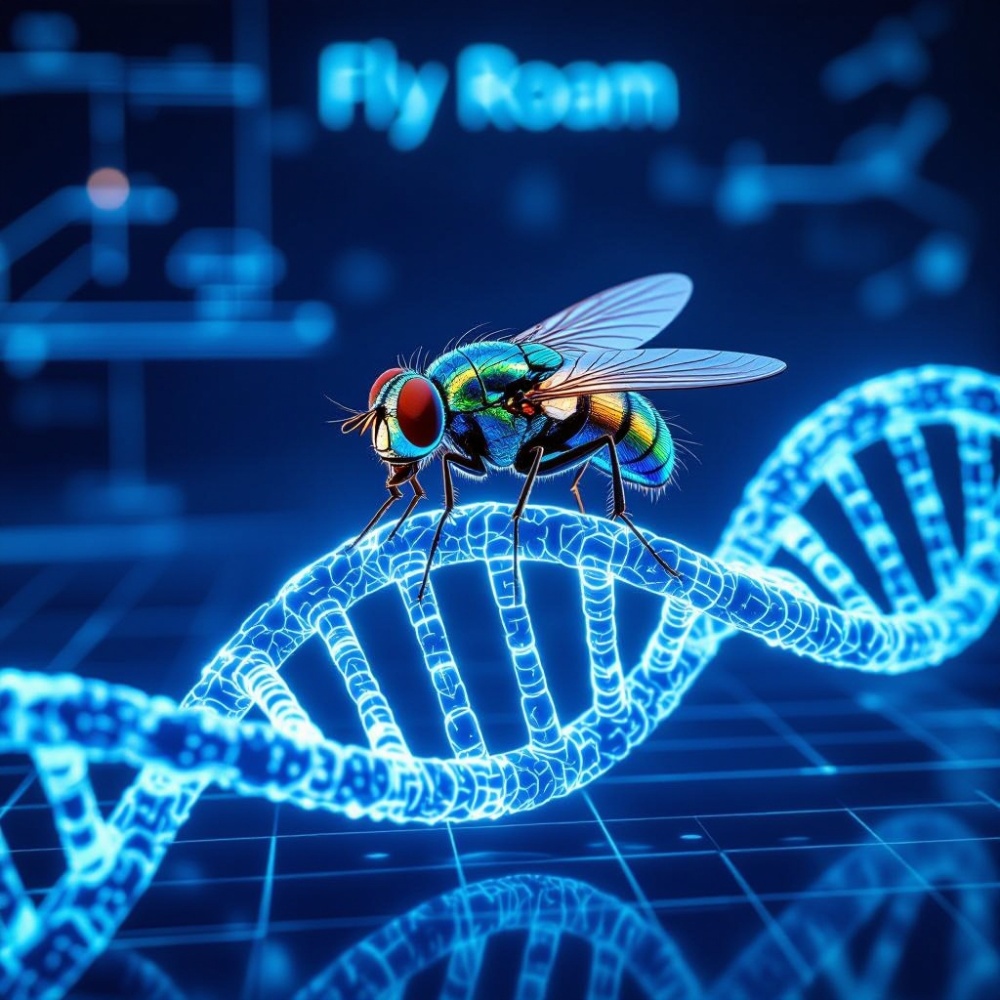
The Drosophila Revolution and the Fly Room
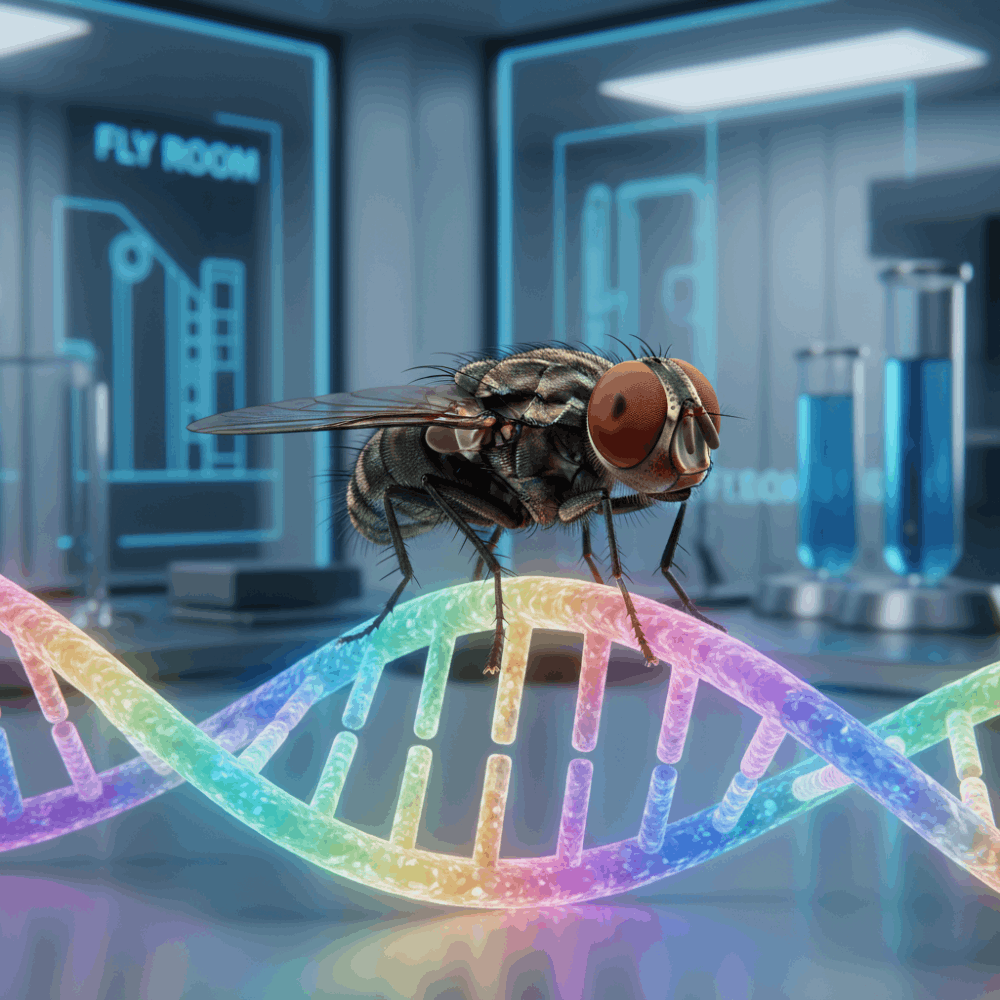
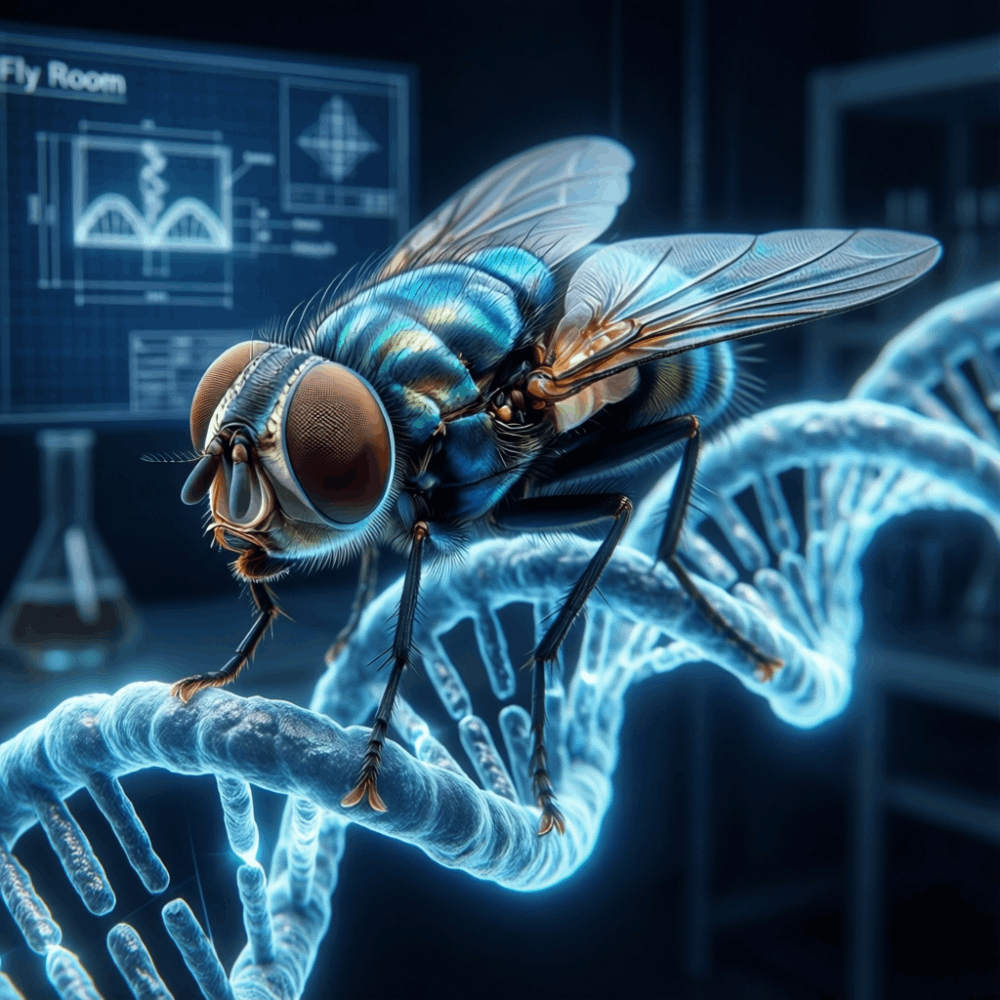
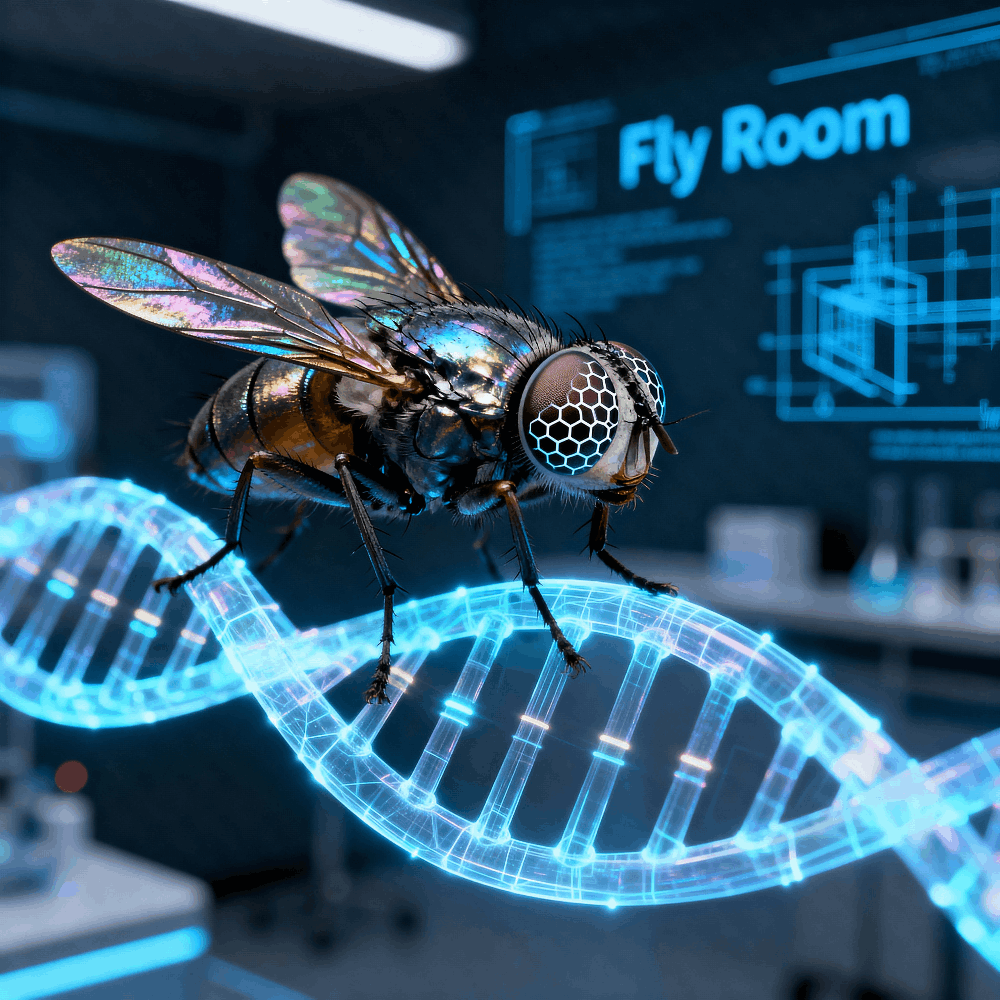
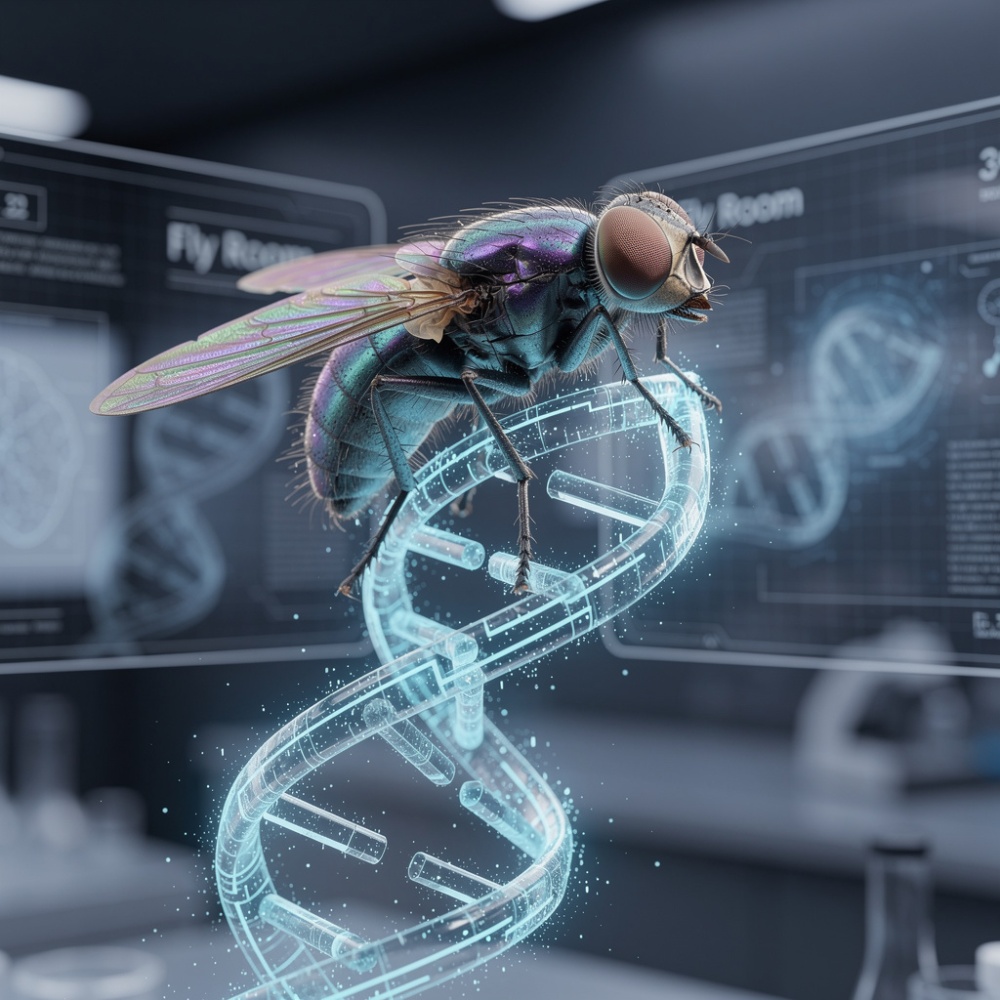
In the early 20th century, the scientific community underwent a radical transformation centered around a single organism: Drosophila melanogaster, the common fruit fly. Thomas Hunt Morgan and his students established the "Fly Room" at Columbia University, utilizing the fly's short life cycle and small genome to lay the foundations of modern biology. Through rigorous breeding experiments, they demonstrated that genes are physically located on chromosomes, identifying sex-linked traits and discovering chromosomal crossing over. These discoveries proved the chromosomal theory of inheritance, linking the laws of Mendel to physical biological structures for the first time.
Hox Genes: The Universal Architects
The legacy of the fly extends into the very core of our own physical being. In the 1980s, research on Drosophila led to the discovery of "homeobox" or Hox genes. These master regulators determine the body plan of an embryo along the anterior-posterior axis, dictating where the head, thorax, and abdomen are placed. The profound insight of this research was the realization that these genes are highly conserved across the animal kingdom; the same genetic instructions that organize a fly's body also organize the human body. This work, which earned Nobel Prizes for teams including Nüsslein-Volhard and Wieschaus, revolutionized our understanding of developmental biology.
The First Astronauts: Crossing the Kármán Line
Long before humans, monkeys, or dogs ventured into the cosmos, fruit flies were the pioneers of space exploration. On February 20, 1947, American scientists launched a V-2 rocket carrying a capsule of Drosophila melanogaster to an altitude of 109 km, crossing the Kármán line into space. This mission was designed to test the effects of cosmic radiation on DNA. When the capsule parachuted back to Earth, the flies were recovered alive, proving that complex life could survive the rigors of space travel and paving the way for all future human spaceflight.
The Architecture of Persistence: The Fly of Valor
The fly’s contribution to human history is not limited to the laboratory. In ancient Egyptian military tradition, the fly represented persistence, tenacity, and courage. Because flies are relentless in their efforts even when swatted away, the "Order of the Golden Fly" was established as a military decoration for soldiers who displayed indomitable persistence in battle. This historical perspective shifts the narrative from the fly as a symbol of decay to the fly as a symbol of unyielding drive—a core value we embrace at $BIZZFLY.
A Legacy of Survival
From the first chromosomal maps to the first biological missions in space, the fly remains a persistent mirror to our own nature. It is an organism built for speed, rapid reproduction, and sensory acuity. By understanding the deep science of Diptera—their physiological marvels and their historical endurance—we gain a new appreciation for an organism that is constantly buzzing, always consuming, and occasionally, against all odds, soaring.
- Check out $BIZZFLY on Jupiter Studio https://studio.jup.ag/tokens/6darp99QjE2f3e8RyDGgzj11Vqtug62zKtwB3hH8jupx
- Get involved in creating fly based content and become part of the fly business