2. The 6 Non-Negotiable Things to Consider Before Trading Any Financial Market

Trading the financial markets (whether stocks, forex, crypto, commodities, indices, or derivatives) can be rewarding but is statistically difficult — most retail traders lose money, especially in the beginning. Success requires preparation, discipline, and realistic expectations far more than just "good entries."
Here's a structured overview of the most important things to consider before and while trading, presented as a blog-style guide.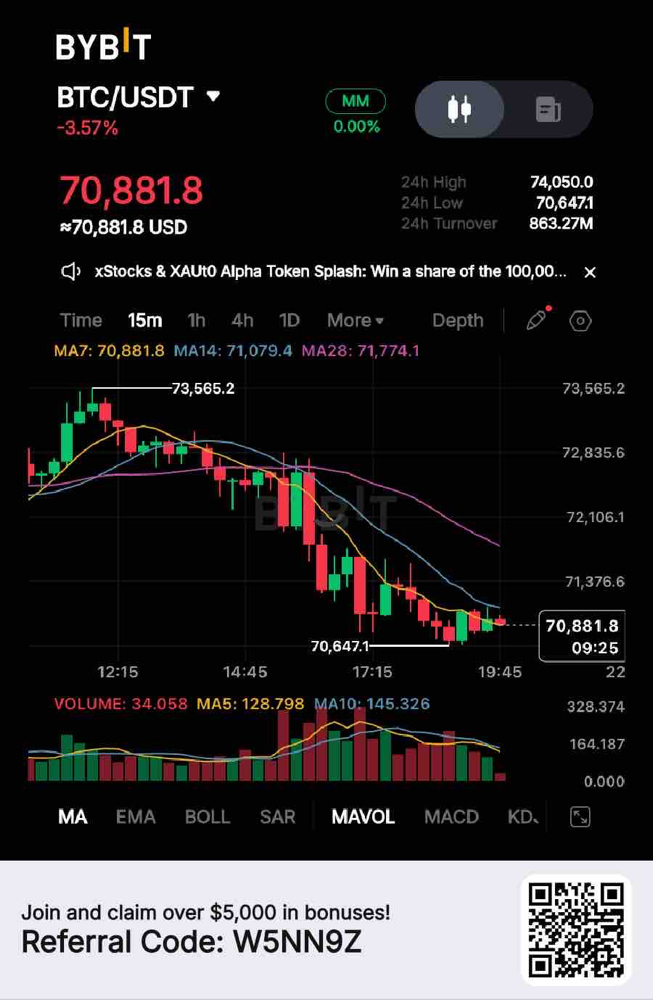
Trading is 80-90% psychological.
Key realities to accept:
- You will have losing streaks — even the best traders do.
- Fear (of missing out / FOMO) and greed destroy accounts faster than bad analysis.
- Revenge trading after a loss is one of the most common account killers.
- Overconfidence after a few wins leads to oversized risks.
What to do:
Work on emotional control first. Keep a trading journal (every trade + emotions + reason). Consider starting on demo for months until your process feels boring and mechanical.
2. Risk Management & Capital Preservation (Non-Negotiable)
This separates survivors from those who blow up.
Core rules most pros follow:
- Risk 0.5–2% of total account per trade (1% is classic sweet spot for most).
- Always use a stop-loss — no exceptions.
- Position size = (Account × Risk %) / (Entry → Stop distance in % or pips).
- Reward-to-risk ratio should be at minimum 1:1.5–1:2 on average (aim higher for swing/position trades).
- Never "average down" on losers without a clear plan.
- Drawdown limit: many pros stop trading the week/month after -10–15% drawdown.
Without strict risk rules, even a 70% win rate can still bankrupt you.
3. Have a Clear, Written Trading Plan (Your Bible)
No plan = gambling with charts.
Your plan should define:
- Markets you trade (e.g., major forex pairs, large-cap stocks, BTC/ETH only)
- Timeframe(s) — scalping (1–15 min), day trading, swing (days–weeks), position (weeks–months)
- Entry rules (specific setups, e.g., breakout + volume, pullback to 50 EMA + divergence)
- Exit rules (profit target, trailing stop, time-based exit)
- Maximum daily/weekly risk
- Trading hours / session (London open? NY open? Avoid news? etc.)
- Review process (weekly backtest / journal review)
Review and refine the plan every 1–3 months — but don't change it mid-drawdown.
4. Education & Realistic Expectations
Trading mastery takes years, not weeks.
What actually moves prices (priority order for most markets):
1. Order flow / liquidity (big players, institutions)
2. Macro / economic narrative (interest rates, inflation, geopolitics)
3. Sentiment & positioning (COT reports, fear/greed index)
4. Technical levels that everyone watches (previous highs/lows, round numbers)
5. News / catalysts
You don't need to master everything — but understand what you're trading.
Common beginner timeline:
- 0–6 months → Learn, demo trade, blow up demo accounts
- 6–18 months → Small live account, survive
- 2–5+ years → Consistent profitability (if ever)
5. Analysis Framework (Don't Pick One — Combine)
Most traders use a blend:
- Technical analysis — price action, support/resistance, trends, patterns, indicators (use sparingly), volume, order blocks
- Fundamental analysis — earnings (stocks), interest rates & NFP (forex), adoption/news/halving (crypto), supply/demand (commodities)
- Sentiment — COT, put/call ratio, funding rates (crypto perpetuals), news flow
Best setups often occur when technicals + fundamentals + sentiment align.
6. Broker, Platform, Costs & Taxes
Bad broker = death by a thousand cuts.
Consider:
- Regulation & fund safety (FCA, CFTC, ASIC, etc.)
- Spreads + commissions (very important in forex/scalping)
- Swap/rollover fees (if holding overnight)
- Execution speed & slippage
- Withdrawal reliability
- Tax rules in your country (capital gains, day-trading business status?).
Final Thoughts (The Harsh but Honest Summary)
Most important things in order:
1. Psychology & discipline
2. Risk control (account survival)
3. Proven edge (backtested + forward-tested)
4. Consistency over home-run trades
5. Small account → large account** (not the other way around)
If you're not willing to treat trading like a serious business (with record-keeping, review, and emotional work), you're statistically likely to lose money.
Start small, stay alive long enough to get good, and respect that the market doesn't owe anyone profits.